
What if everything you've been told about honoring veterans is missing the point entirely?
You see flags waving. You hear "thank you for your service." You might even get the day off work. But standing to honor those who served: truly understanding why we rise: goes far deeper than routine gestures or calendar holidays.
This isn't about politics. It's about people. Real people who left families, faced fear, and sometimes never came home. When you understand what remembrance truly means, everything changes.
The Difference Between Celebrating and Remembering
Here's something that catches many Americans off guard: saying "Happy Memorial Day" actually misses the entire purpose of the day. Veterans will tell you: Memorial Day isn't happy. It's solemn. It honors those who died in service, not those still living.
Veterans Day celebrates all who served. Memorial Day mourns those who gave everything.
This distinction matters because it reflects something deeper about how you approach remembrance in your own life. Are you casually acknowledging service, or are you consciously honoring sacrifice?
True remembrance requires intention. It demands that you pause, reflect, and carry forward the stories of those who stood between freedom and those who would take it away.

Why Veterans Stand: And Why You Should Too
When a veteran stands for the national anthem or places a hand over their heart during the Pledge of Allegiance, they're not performing patriotism. They're reliving it.
They remember specific faces. Specific names. Friends who shipped out beside them and never returned. The bonds forged through shared service create a lifelong responsibility: a duty that extends far beyond the battlefield.
Here's what standing represents for those who served:
-
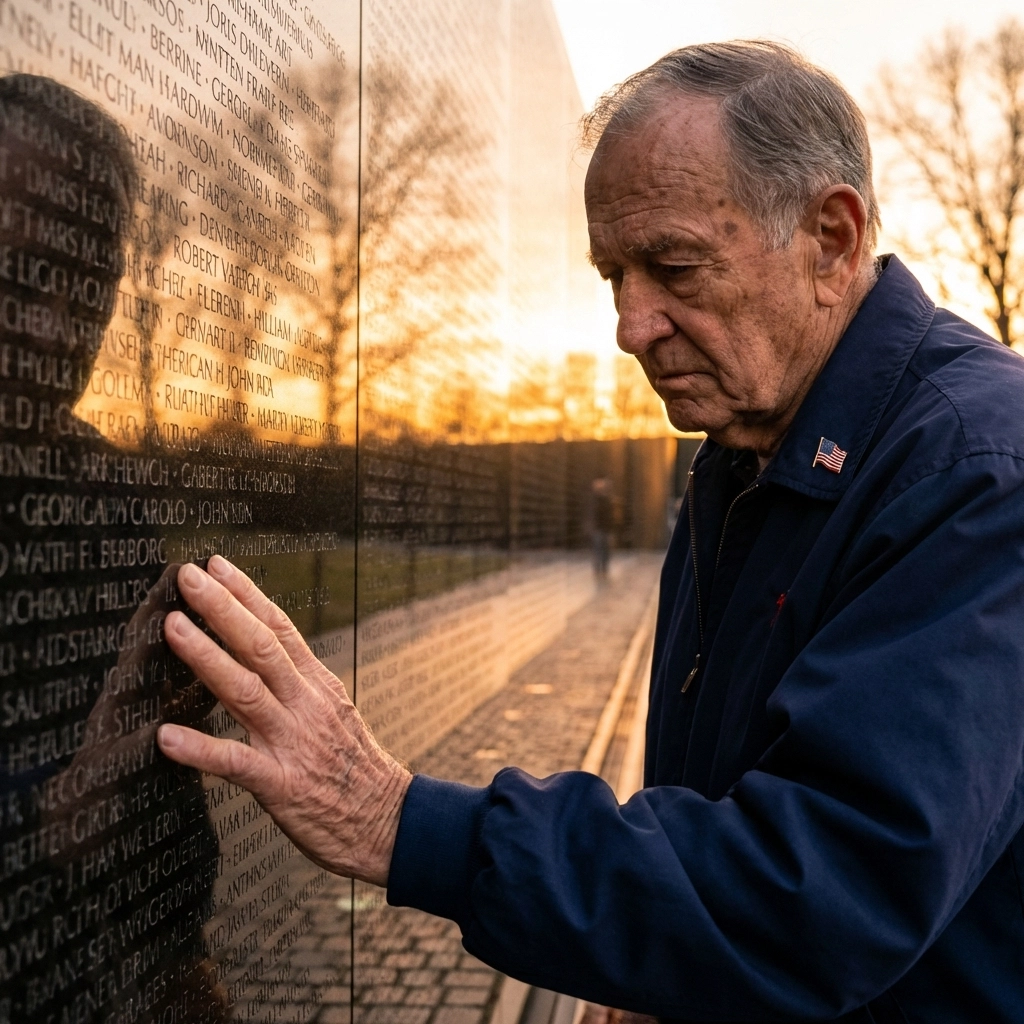
Honoring the fallen: Every veteran carries names with them. Some visit memorials and trace those names with their fingers. Standing becomes a private tribute, a moment of connection with those who can no longer stand themselves.
-
Preserving freedom's value: Freedom was never given freely. It was earned by those who served, sacrificed, and stood unyielding when fear would have justified retreat. Standing acknowledges that debt.
-
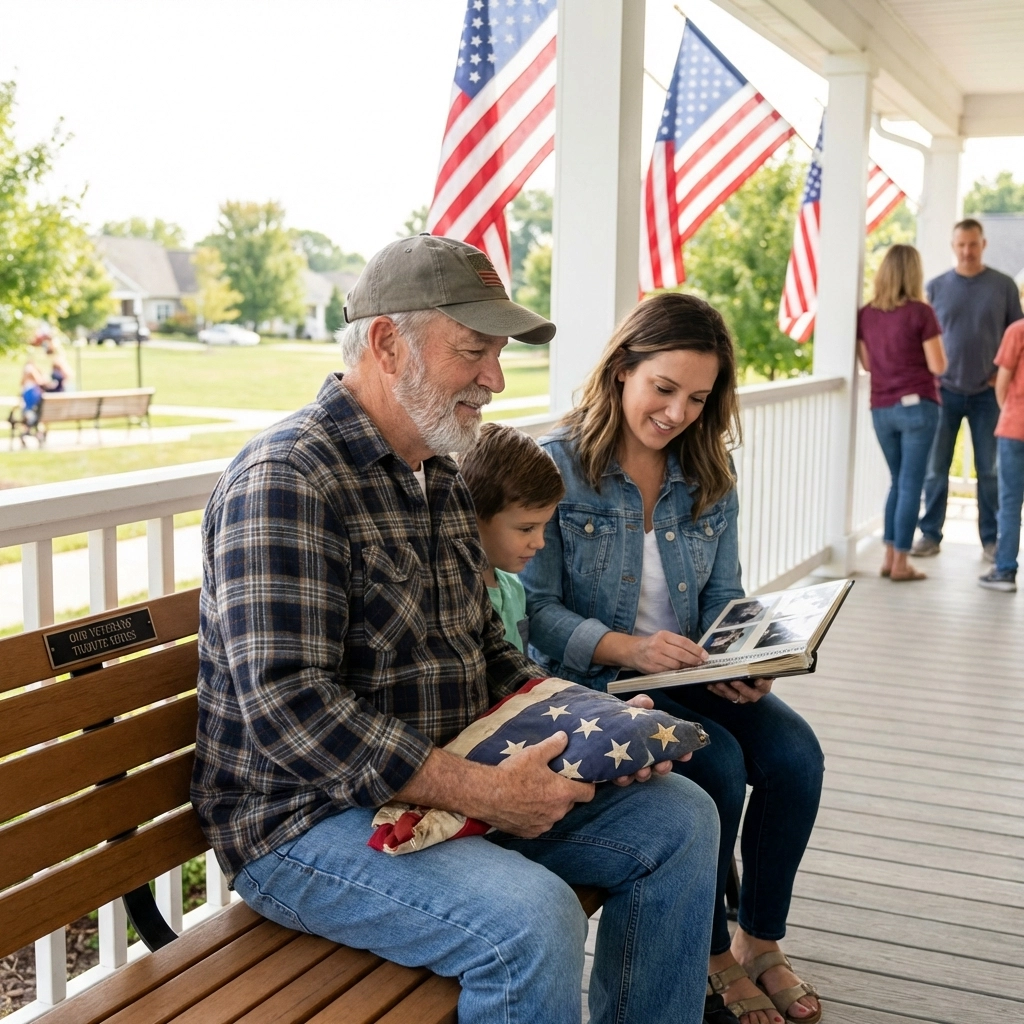
Teaching the next generation: Veterans understand that if their stories fade, so does the understanding of what liberty truly costs. They stand so that you: and your children: learn why it matters.
-
Mutual support and camaraderie: The veteran community holds space for one another. When one stands, they all stand together, even those no longer physically present.
A Veteran's Story: Making Remembrance Personal
Picture this: a grandfather takes his teenage grandson to the Vietnam Veterans Memorial in Washington, D.C. The wall stretches before them: over 58,000 names etched into black granite.
The grandfather doesn't speak at first. He walks slowly, scanning the panels until he stops. His hand reaches out and touches a name.
"This was Tommy," he says quietly. "We went through basic together. He had a girl back home. They were going to get married."
That moment: that connection between a name on a wall and a real person with dreams, fears, and a future that never came: transforms how the grandson understands service forever.
This is what remembrance looks like when it moves from abstract patriotism to personal truth.
The Erosion of Understanding: And How to Fight It
Here's an uncomfortable reality: each generation grows further from direct experience with military sacrifice. Fewer families have members who served. Fewer communities gather to honor veterans in meaningful ways.
The result? Remembrance becomes routine rather than reverent. Patriotic holidays become sales events. The Pledge of Allegiance becomes words recited without weight.
You can change this trajectory. Not through grand gestures, but through small, intentional actions:
Start conversations. Ask the veterans in your life about their service: not to pry, but to listen. Their stories deserve an audience.
Educate yourself. Learn the history behind the symbols you encounter daily. Understand why the flag folds thirteen times. Know what each word of the Pledge actually means.
Create space for remembrance. Whether in your home, your classroom, or your community, build moments where honoring service becomes normal rather than exceptional.
Share the stories. When you hear a veteran's story, carry it forward. Tell your children. Write it down. These stories become the living memorial that outlasts granite and bronze.
Bringing Veteran Voices Into Your Community
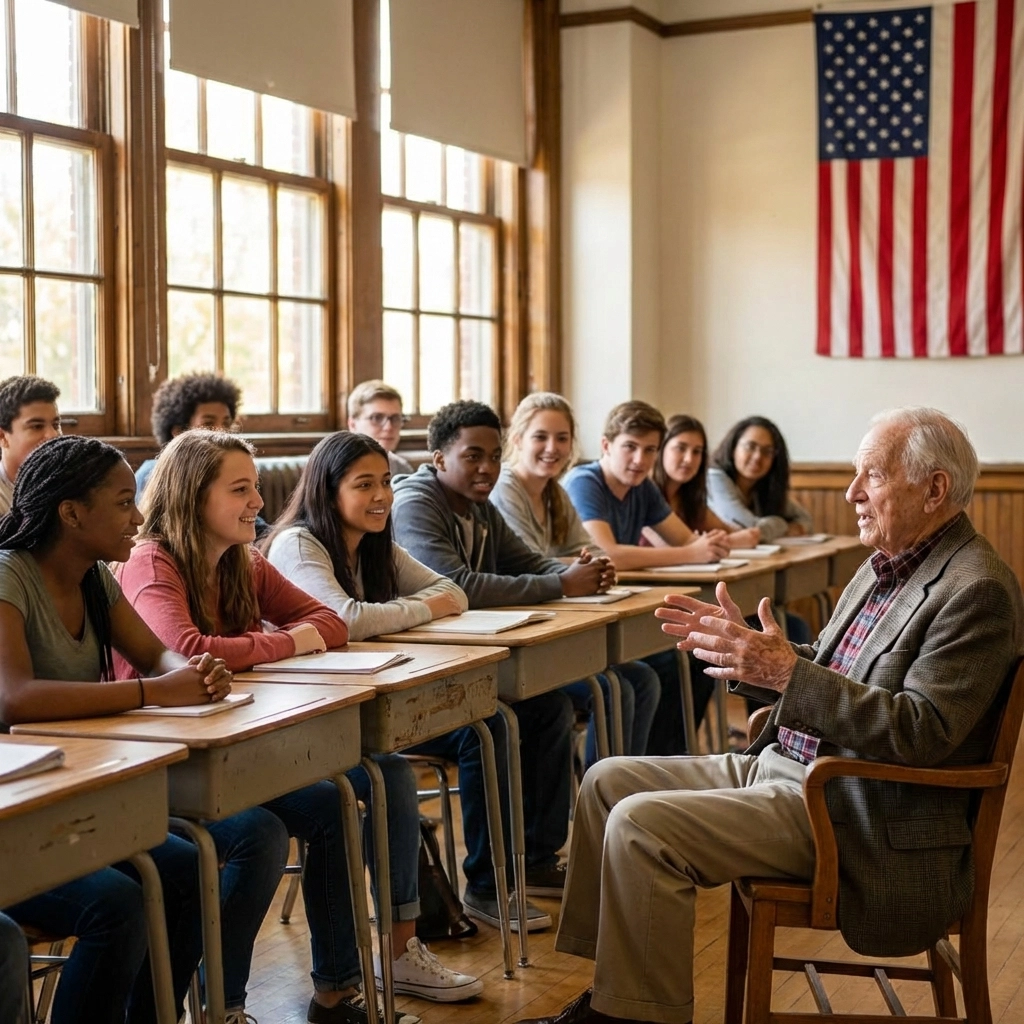
One of the most powerful ways to make remembrance real is to hear directly from those who served. A veteran speaking in a classroom, at a community center, or during a civic gathering transforms abstract concepts into lived experience.
Through initiatives like our Veterans' Tribute Series, communities across America are creating space for these conversations. Veterans share their stories: not as history lessons, but as personal testimonies that bridge generations.
When a student hears a veteran describe what standing for the anthem means to them personally, that moment creates understanding no textbook can replicate.
What Standing Really Means in 2026
In a divided cultural moment, standing for the flag or reciting the Pledge has become complicated for some. Political arguments swirl around patriotic symbols.
But here's what gets lost in that noise: for veterans, standing isn't a political statement. It's a personal one.
They stand because they remember faces they'll never see again. They stand because freedom required everything from people they loved. They stand because sitting feels like forgetting: and forgetting dishonors the sacrifice.
When you understand this, you realize that standing isn't about agreeing with every policy or endorsing every decision. It's about acknowledging the human cost of the liberty you enjoy.
You can hold complex views about your country and still honor those who served it. In fact, that's precisely what freedom allows.
Your Role in the Chain of Remembrance
Every generation receives the torch of memory from those who came before. Your grandparents carried stories from World War II. Your parents may remember Vietnam. Today's veterans return from conflicts in the Middle East with their own experiences.
Your role is simple but essential: receive these stories with respect and pass them forward with intention.
Here's how you can participate:
- Attend local veteran events and listen more than you speak
- Support organizations that preserve and share veteran stories
- Teach children in your life why we stand, in language they can understand
- Create family traditions around patriotic holidays that emphasize remembrance over recreation
The chain of memory breaks when one generation fails to pass it forward. You hold a link in that chain right now.
Moving From Passive to Active Remembrance
Passive remembrance happens by accident. You notice a flag at half-staff and wonder why. You hear taps played and feel a vague sense of reverence. These moments touch you briefly, then fade.
Active remembrance requires intention. You seek out veteran stories. You learn history. You create space in your life: and your community: for honoring service.
The difference between these two approaches determines whether the meaning of sacrifice survives another generation.
At Pledge Allegiance, we believe civic education and veteran honor go hand in hand. When communities understand why we stand, they stand with purpose. When veterans share their stories, those stories find new life in young hearts.
This is what it means to remember. Not as an obligation, but as a privilege. Not as a routine, but as a reverence.
The next time you rise for the anthem, the Pledge, or a moment of silence: remember the faces behind the flag. Remember that freedom carries a cost someone else paid.
Stand like you mean it. Because now, you understand why.
Want to bring veteran voices into your school, workplace, or community? Explore our offerings or contact us to learn how you can make remembrance real in your corner of America.