

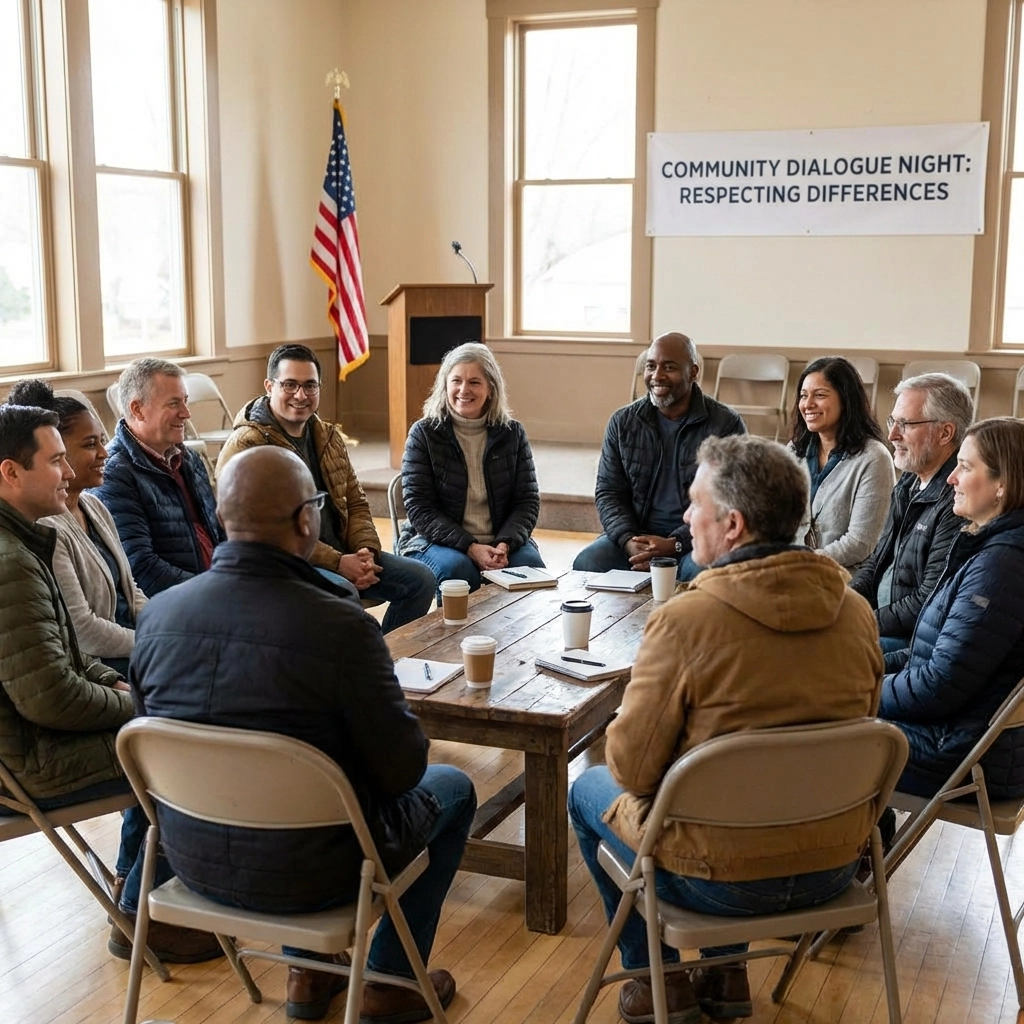
What if everything you've been told about having political conversations is wrong?
You've probably heard the advice a thousand times: avoid politics at dinner, steer clear of controversial topics, keep the peace by staying silent. But here's the truth most people miss: silence doesn't build understanding. It builds walls.
In a nation founded on the principle that citizens can govern themselves, the ability to talk across differences isn't just nice to have. It's essential. And right now, that skill is slipping away from us faster than we'd like to admit.
The good news? You can help bring it back. Community Dialogue Nights offer a proven framework for leading civil discussions that respect differences while strengthening the bonds that hold neighborhoods, schools, and civic organizations together.
Why Civil Dialogue Matters More Than Ever
Picture this: your community faces a divisive issue: school curriculum changes, local zoning disputes, or debates about public memorials. Tensions rise. Social media erupts. Neighbors who once waved from their driveways now avoid eye contact.
Now what if you could create a space where those same neighbors sit down, listen to each other, and walk away with deeper understanding: even if they still disagree?
That's not wishful thinking. That's what happens when communities commit to structured, respectful dialogue.
Research consistently shows that open dialogue allows community members to gain deeper understanding of each other's perspectives and work toward finding common ground. The process doesn't erase disagreement. Instead, it transforms conflict into connection. Relationships strengthen. Empathy grows. Respect becomes the foundation rather than the afterthought.

The Difference Between Debate and Dialogue
Before you host your first Community Dialogue Night, you need to understand a critical distinction.
Debate is about winning. Dialogue is about learning.
In debate, you listen to formulate your counterargument. In dialogue, you listen to understand. In debate, the goal is persuasion. In dialogue, the goal is connection.
This shift in mindset changes everything. When participants enter a room expecting to convince others, defenses go up. When they enter expecting to learn something new: about themselves, about their neighbors, about the complexity of an issue: something remarkable happens.
Walls come down.
Community Dialogue Nights lean heavily into this distinction. The structure isn't designed to produce winners and losers. It's designed to produce neighbors who understand each other better than they did an hour ago.
Creating Brave Spaces for Authentic Conversation
Here's where most well-intentioned civic efforts fall short. They create "safe spaces" where everyone agrees: and nothing challenging ever gets said.
That's not what you're after.
What you need is a brave space. A room where participants feel secure enough to take interpersonal risks. Where minority participants can candidly discuss experiences with stereotypes and discrimination without fear of backlash. Where majority participants actively engage with sensitive topics like privilege, pushing past typical discomfort.
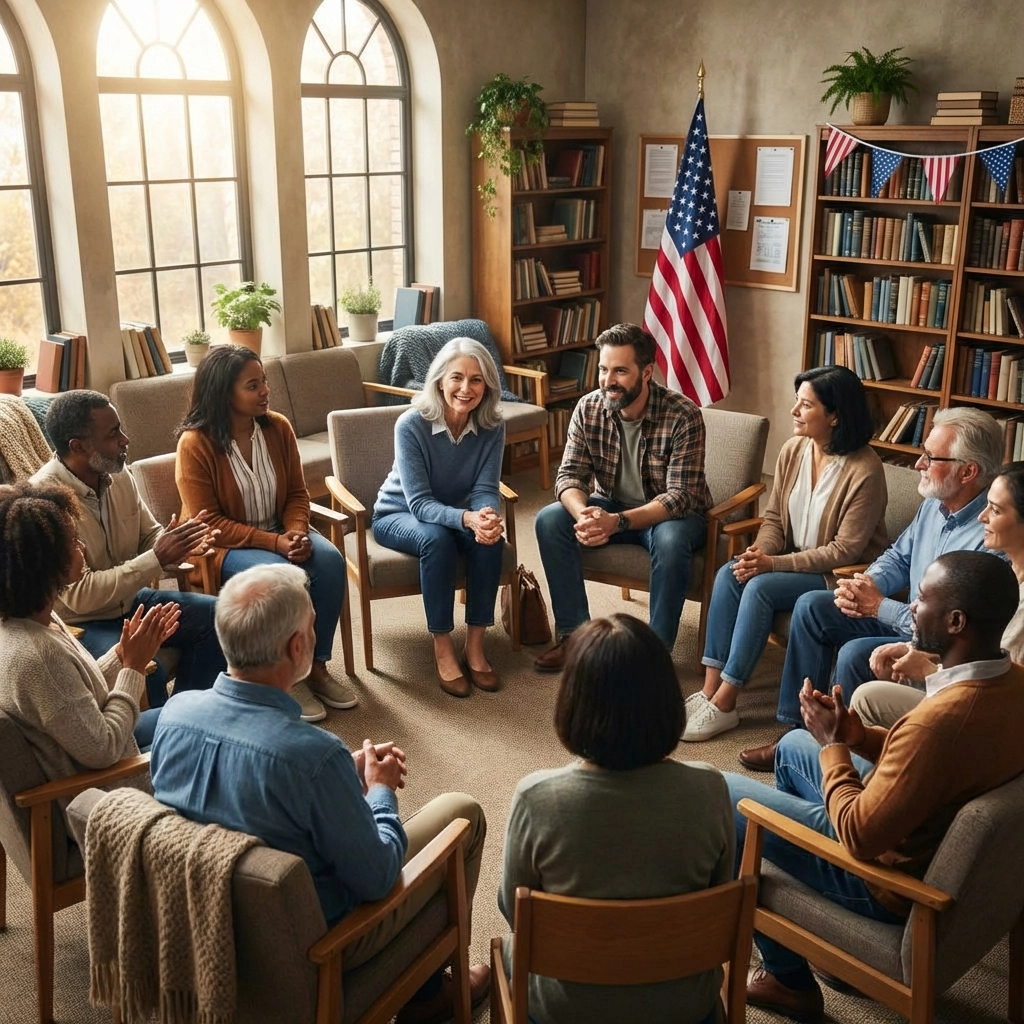
How do you create that kind of environment? Start with these principles:
Set clear ground rules upfront. Everyone speaks from personal experience. No one interrupts. Questions come from genuine curiosity, not gotcha moments. Disagreement is welcome; disrespect is not.
Acknowledge the difficulty. Tell participants directly that some moments will feel uncomfortable. That's not a sign something's wrong: it's a sign real dialogue is happening.
Model vulnerability. When facilitators share their own uncertainties and growth edges, participants feel permission to do the same.
Celebrate curiosity over certainty. The person asking thoughtful questions contributes as much as the person offering answers.
These principles form the backbone of effective Community Dialogue Nights. They're simple to understand and challenging to practice: which is exactly why communities need structured opportunities to build these muscles together.
The Facilitator's Role: Neutral, Curious, Present
Your dialogue night will only be as effective as the person guiding it.
Effective facilitators share three essential qualities. They're good listeners who genuinely want to understand what people think. They remain neutral about the topic being discussed. And they bring authentic curiosity to every exchange.
This combination creates magic. When participants sense that the facilitator has no agenda beyond fostering understanding, they relax. They open up. They say what they actually think instead of what they think they're supposed to say.
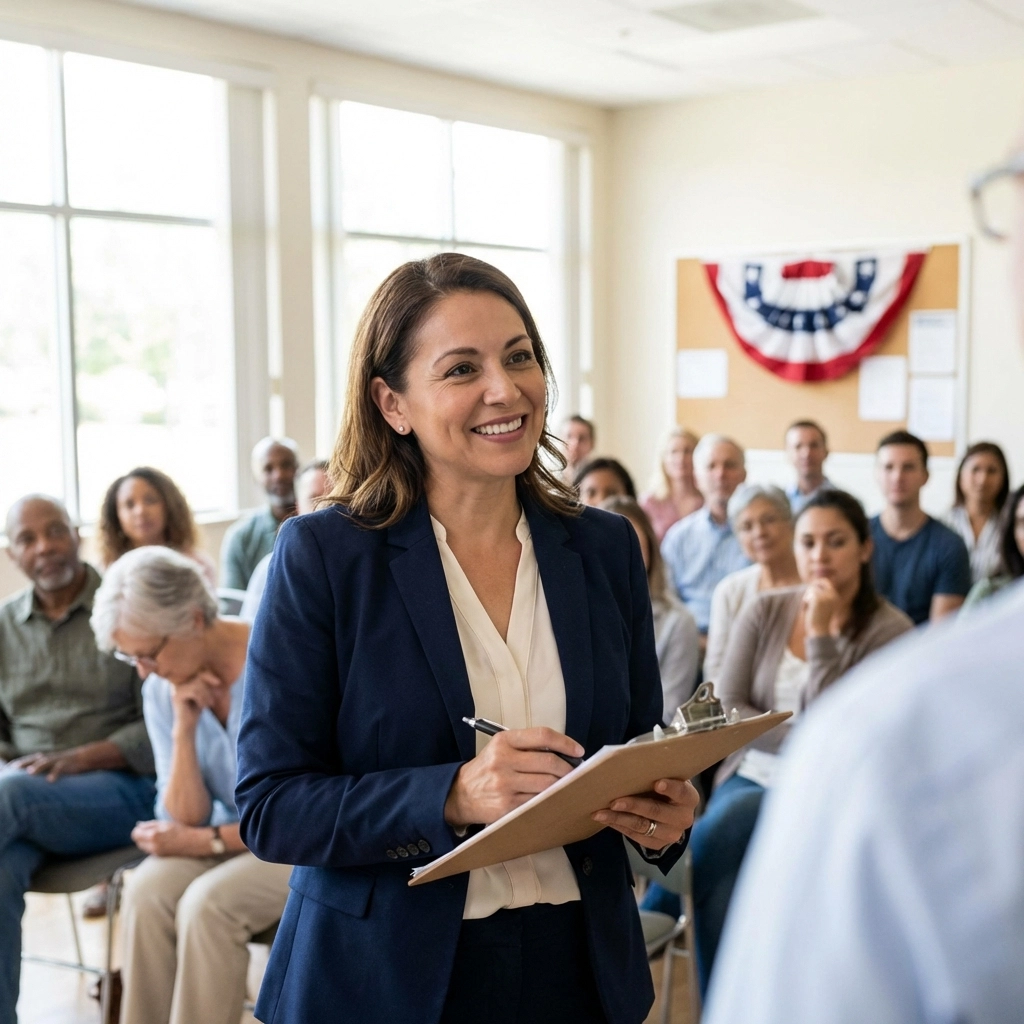
If you're stepping into the facilitator role yourself, resist the urge to steer the conversation toward conclusions you've already reached. Your job isn't to teach: it's to create conditions where participants teach each other.
Ask open-ended questions: "Can you say more about that?" "What experiences shaped that perspective?" "What would help you understand the other viewpoint better?"
Reflect what you hear: "It sounds like you're saying…" "I'm hearing two different concerns here…"
Hold space for silence. Some of the most profound moments in dialogue happen when no one is speaking: when participants are actually processing what they've heard.
Structuring Your Community Dialogue Night
Great conversations don't happen by accident. They happen by design.
Consider this proven structure for your dialogue events:
Opening (10 minutes): Welcome participants. Review ground rules. Acknowledge that the conversation may feel challenging and that's okay.
Personal sharing round (20 minutes): Each participant shares briefly: not their position on the issue, but their personal connection to it. What experiences, relationships, or values shape how they see this topic?
Guided dialogue (45 minutes): The facilitator poses questions that invite deeper exploration. Participants respond to each other, ask clarifying questions, and practice listening across difference.
Reflection (15 minutes): Participants share what surprised them, what they learned, or what questions they're still holding.
Closing (10 minutes): Thank everyone for their courage. Point toward next steps: whether that's another dialogue, community action, or simply continued conversation.
This structure balances personal connection with substantive discussion. It gives everyone a voice while preventing any single perspective from dominating.
Bringing Stakeholders Together Strategically
Here's an advanced move that separates good dialogue events from great ones.
Consider organizing separate dialogue sessions for different stakeholder groups before bringing everyone together. Teachers might gather first to share their perspectives on a curriculum issue. Parents meet separately. Students have their own space. Then representatives from each group come together for a community-wide conversation.
This approach allows each group to speak authentically without performing for others. It surfaces concerns that might stay hidden in a mixed group. And it ensures that when the broader dialogue happens, participants arrive already having done their own reflection.
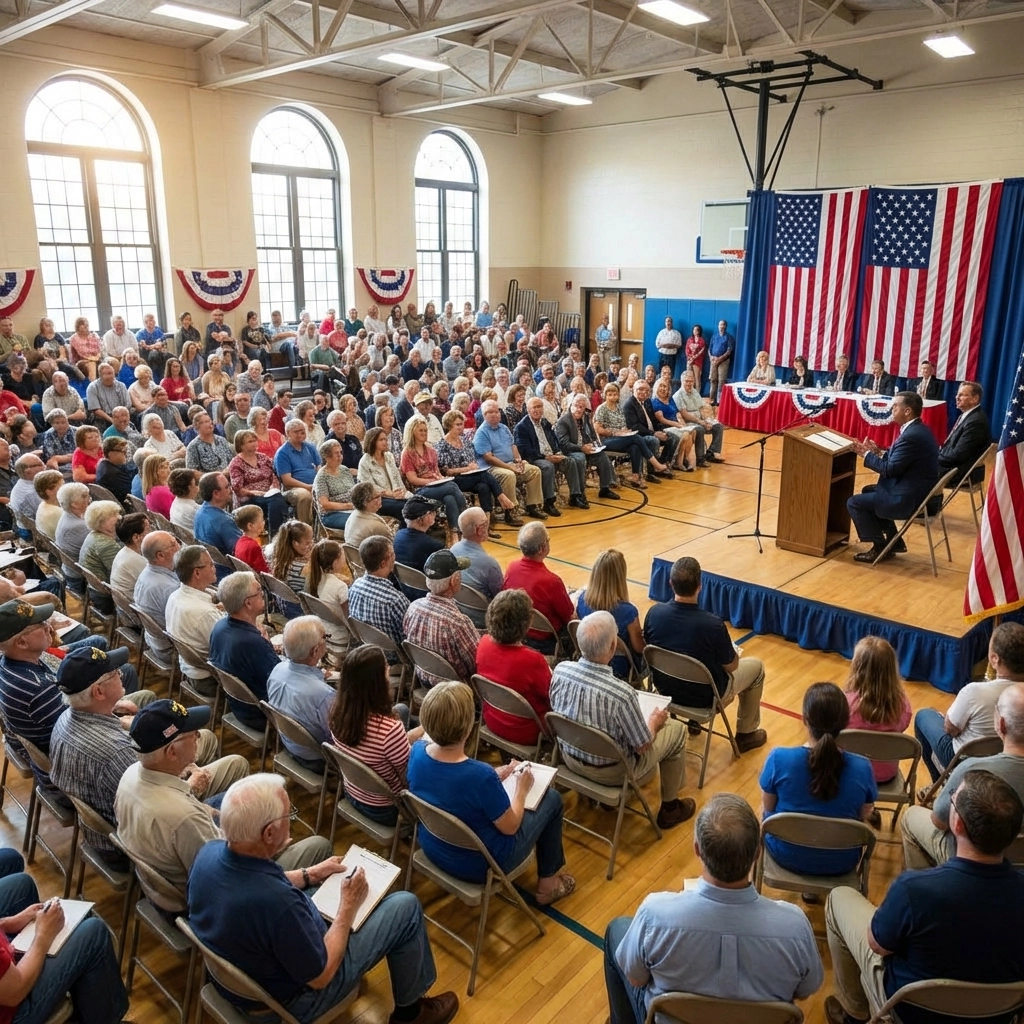
Community Dialogue Nights can adapt to whatever structure serves your community best. The key is intentionality: thinking carefully about who needs to be in which room, and when.
Taking the First Step
You don't need to be an expert in conflict resolution or civic education to host meaningful dialogue in your community. You need a willingness to try, a commitment to the principles that make dialogue work, and neighbors who care enough to show up.
That last part might be easier than you think. Despite what headlines suggest, most Americans are hungry for genuine connection across difference. They're tired of shouting into the void of social media. They want to be heard: and they want to hear.
Community Dialogue Nights give them that opportunity.
Start small. Invite a handful of neighbors to discuss a local issue that matters to you all. Practice the skills. Build the muscle. Then expand.
Every civil conversation makes the next one easier. Every moment of genuine listening plants a seed that grows into something larger: a community that disagrees without dehumanizing, that debates without destroying.
That's the promise of civic education. That's what it means to pledge allegiance not just to a flag, but to each other.
Ready to bring Community Dialogue Nights to your neighborhood, school, or organization? Explore our offerings or reach out directly to learn how Pledge Allegiance can support your efforts.
The conversation starts with you.