
Most people think building a united community requires massive policy shifts, endless town hall debates, or shouting matches on the evening news, until they realize it actually starts with a single shared image and one honest, quiet question.
What if everything you’ve been told about "fixing" our civic divide is wrong? What if the answer isn’t more shouting, but more looking? More listening?
Dan here. I spend a lot of time thinking about what it means to be an American. As the CEO of Pledge Allegiance, I’m constantly looking at the fabric of our country, the red, the white, and the blue, and wondering how we can mend the tears. We live in a time where it’s easier to cancel a neighbor than to have a conversation with one. We’re quick to judge and slow to understand. But I’m telling you, there is a better way. It’s called daily civic reflection, and it is the most powerful, underused tool in our patriotic arsenal.
The Heart of the Matter: What is Civic Reflection?
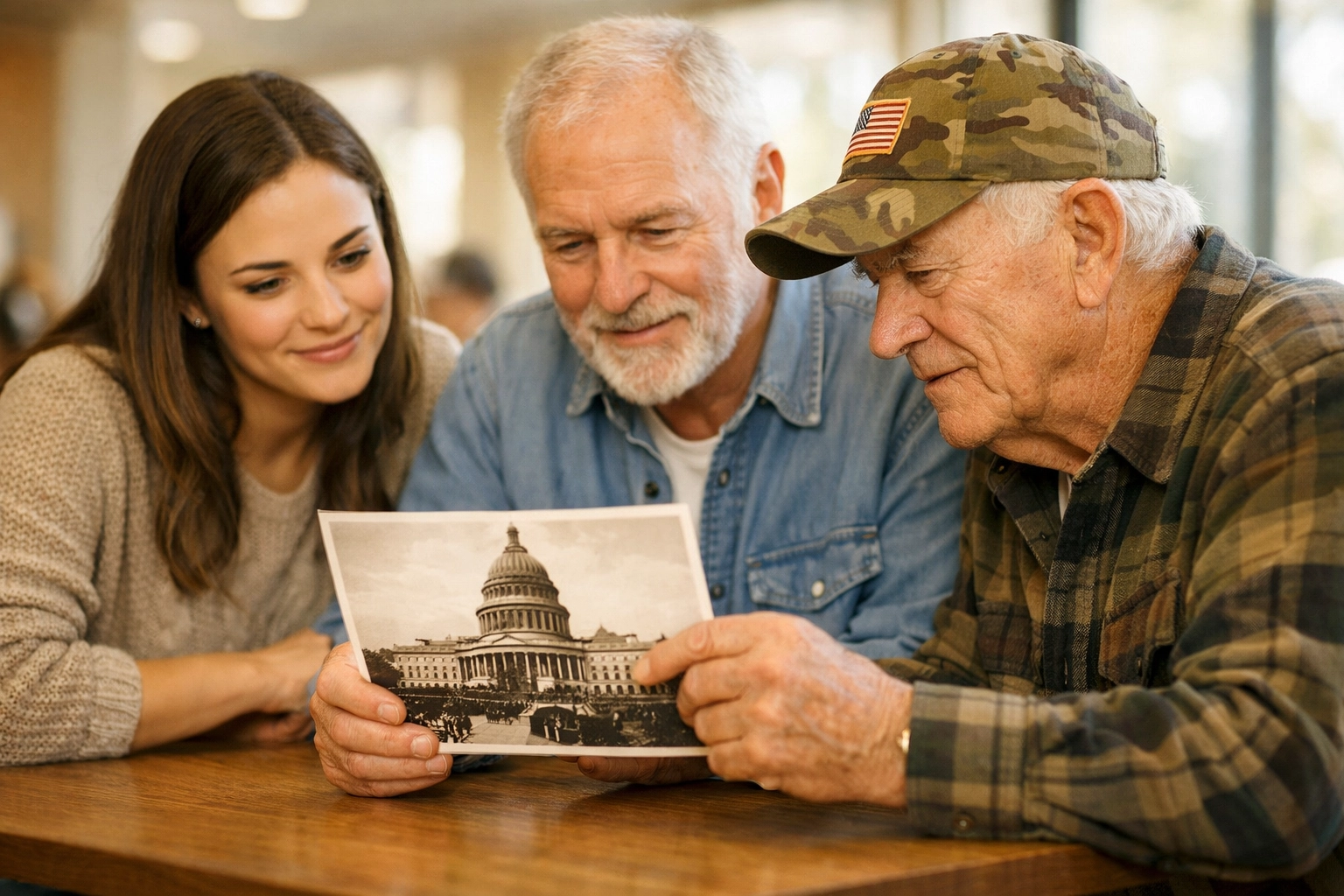
Let’s strip away the academic jargon. At its core, civic reflection is a conversation model that uses a shared source, a poem, a historic photograph, a short video, or even a line from a speech, to help people talk about what matters.
It’s not a debate. We have enough of those. In a debate, someone has to win and someone has to lose. In civic reflection, the goal is understanding. You aren’t there to prove your neighbor wrong; you’re there to explore a shared value together. You start from the same place, the "source", and you move outward from there.
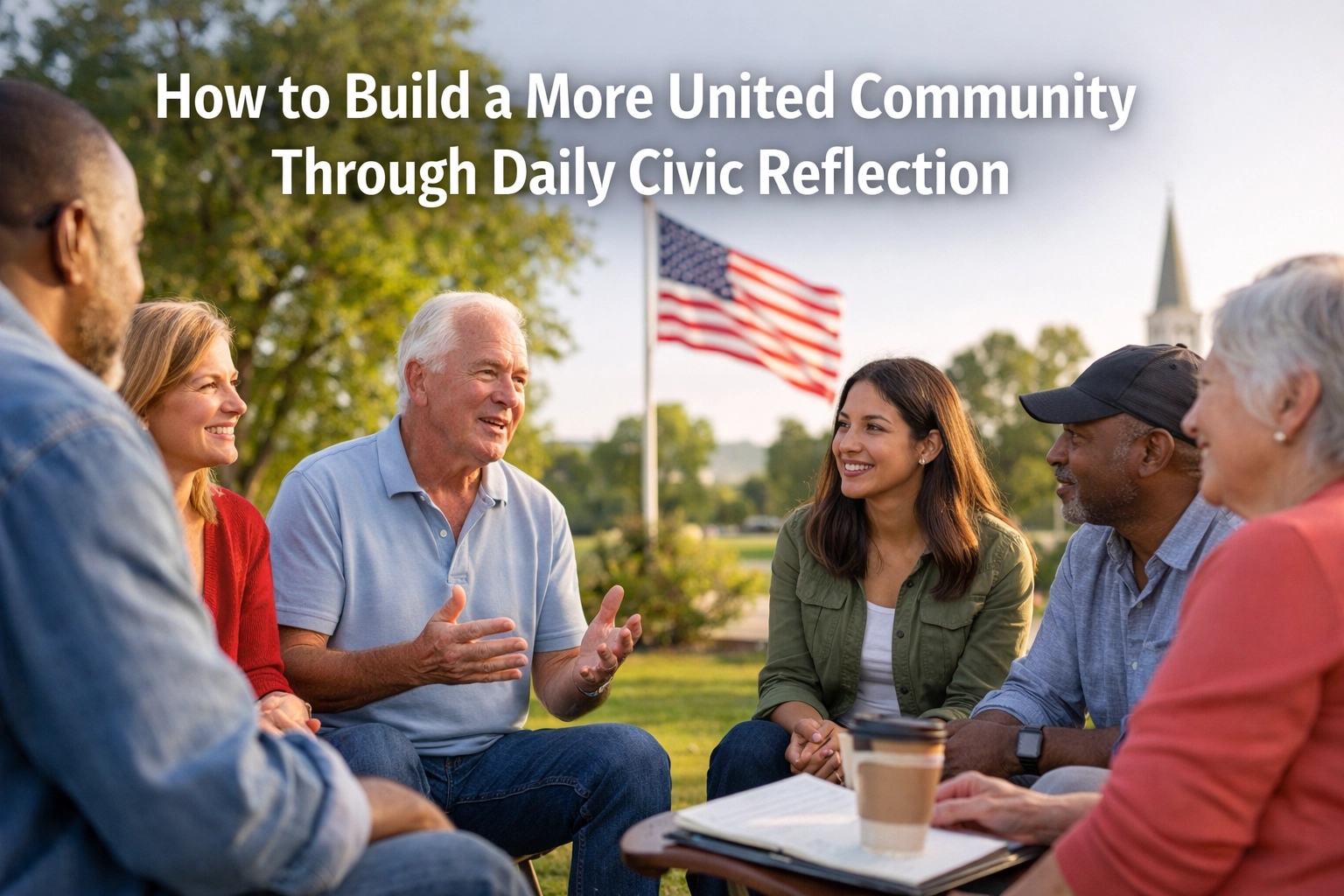
Imagine sitting down with a group of people who don't share your politics, your background, or your zip code. Instead of arguing about the latest headline, you all look at a photograph of the American flag waving over a small-town parade. You ask: "What does this represent to you?" Suddenly, you aren't talking about "them" and "us." You’re talking about home. You’re talking about sacrifice. You’re talking about hope.
Why This Matters Now More Than Ever
We are approaching the 250th anniversary of this great nation. Our stories, the messy, beautiful, complicated tales of how we got here, matter. If we don’t take the time to reflect on them, we lose the thread of who we are.
Daily civic reflection builds what social scientists call "social capital." I call it "neighborly trust." It’s the glue that holds a community together when things get tough. When you engage in this practice, you’re doing three critical things:
- You’re bridging divides. By focusing on a shared source, you acknowledge your differences before you even get to the controversial stuff. It builds empathy. It reminds you that the person across from you is a human being first and a "voter" second.
- You’re creating inclusive dialogue. Reflection equalizes the room. You don’t need a PhD in political science to have an opinion on a poem or a song. Everyone’s perspective is valid because everyone’s experience is real.
- You’re developing pride. When you talk about civic values, you start to take ownership of your community. You stop being a spectator in the American experiment and start being an active participant.
How to Build Your Daily Reflection Habit
You don't need to host a formal gala to make this happen. You can start building a more united community from your own kitchen table or your local coffee shop. Here is how you do it, step by step.
1. Create Intentional, Accessible Moments
Consistency beats intensity every single time. You don’t need an hour; you need five minutes. Make it a part of your morning routine or your family dinner. At Pledge Allegiance, we believe that civic education isn’t just for students, it’s for all of us, every single day.
2. Select Meaningful Sources
Don’t overthink it. Find an old letter from a soldier, a lyric from a classic American song, or even a local news clipping about someone helping a neighbor. These are the "objects" that spark the fire. If you’re looking for inspiration, our oral history kits are a fantastic place to start. They help you capture the stories that already exist in your own family.
3. Ask, Don’t Tell
The most powerful tool in civic reflection is the open-ended question. Avoid "yes" or "no" traps. Instead, try:
- "What do you notice first in this image?"
- "How does this text make you feel about our community?"
- "What value do you think the author is trying to protect here?"
4. Center on Shared Values
Always bring it back to the core. Justice, liberty, equality, sacrifice: these are the pillars. When a conversation gets heated (and it might!), pull it back to the source. "We both care about freedom, right? Let’s look at how this story defines it."

The Ripple Effect of a Reflective Life
When you start looking at the world through a civic lens, everything changes. You start seeing opportunities for service where you used to see obstacles. You start seeing neighbors where you used to see strangers.
I’ve seen this happen in schools and boardrooms across the country. When people stop shouting and start reflecting, the temperature drops. The "us vs. them" mentality begins to dissolve, replaced by a sense of "we the people." This isn't just about being polite; it’s about being effective. A united community can solve problems that a divided one can’t even discuss.
At Pledge Allegiance, our mission is to foster this kind of civic spirit. We want to empower you to lead your community with confidence and patriotism. Whether you are donating to our cause or simply reading our latest blog posts, you are part of a movement to revitalize the American heart.
Take the Lead
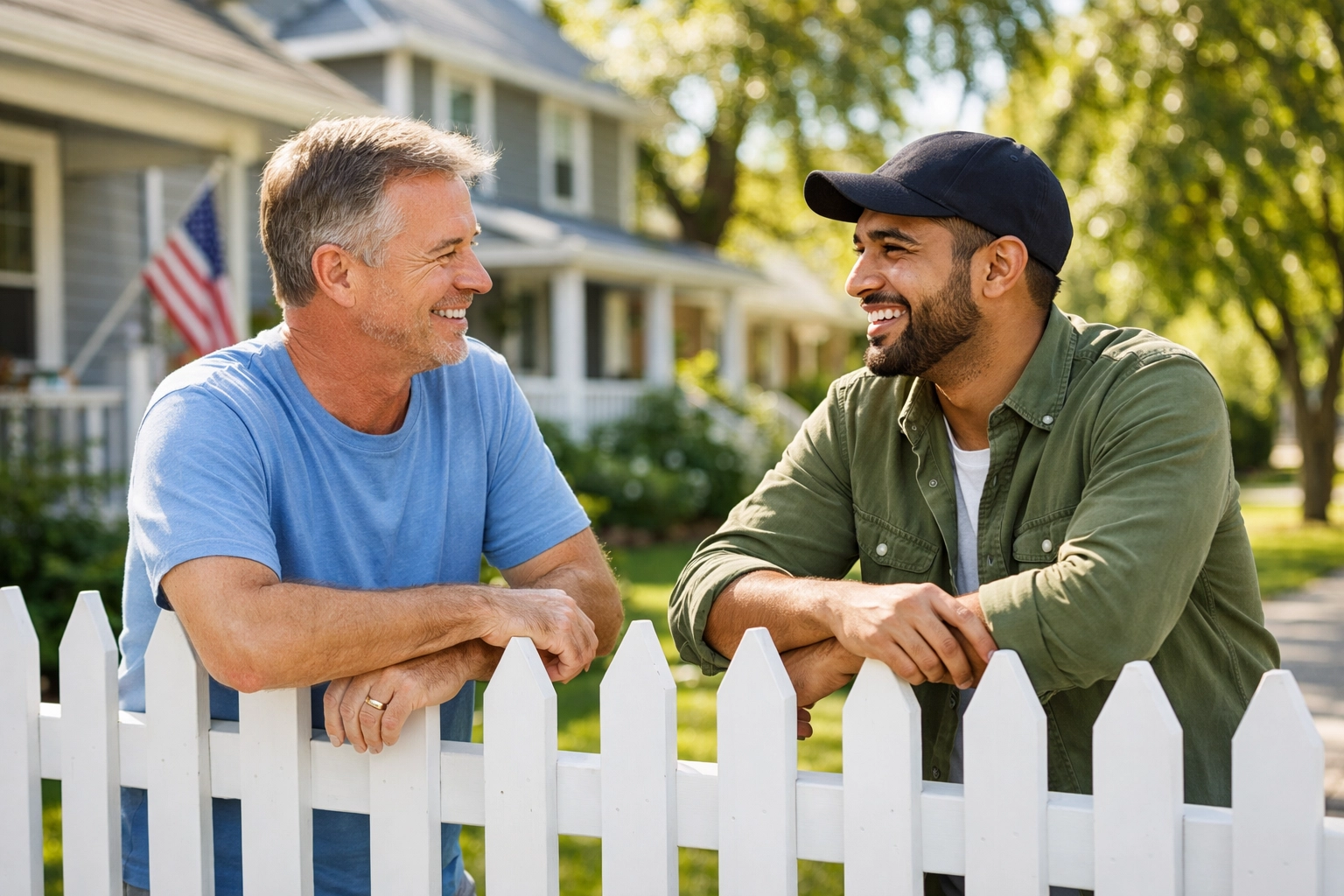
Leadership isn't about having a title; it's about taking initiative. You can be the catalyst for unity in your neighborhood.
Start small. Tomorrow morning, find one thing: a quote from a Founder, a photo of a local monument, or a short article: and share it with one person. Ask them what they think. Don’t judge their answer. Just listen. Then share yours.
That’s it. That’s the "secret." It’s simple, but it’s not easy. It requires humility and a bit of courage. It requires you to believe that our shared American identity is stronger than our temporary political disagreements.
If you’re looking for more ways to get involved or want to learn more about our philosophy of civic education, check out our Offerings page. We are here to provide the tools you need to make a lasting impact.
A Call to Patriotism
Being a patriot means more than just wearing the colors. It means doing the work. It means showing up for the difficult conversations and staying at the table when you want to walk away. It means reflecting on our past so we can build a better future together.
I believe in this country. I believe in you. And I believe that if we all take five minutes a day to reflect on the values that truly matter, we will see a transformation in our communities that no election or policy could ever achieve.
So, what are you waiting for? Pick up a "source," find a neighbor, and start the conversation. Let’s build something united. Let’s build something that lasts.
Stay focused. Stay patriotic.
Dan Kost
CEO, Pledge Allegiance
Want to support our mission? Every donation helps us bring civic education and reflection tools to communities across America. Together, we can keep the story of our nation alive for the next 250 years.