
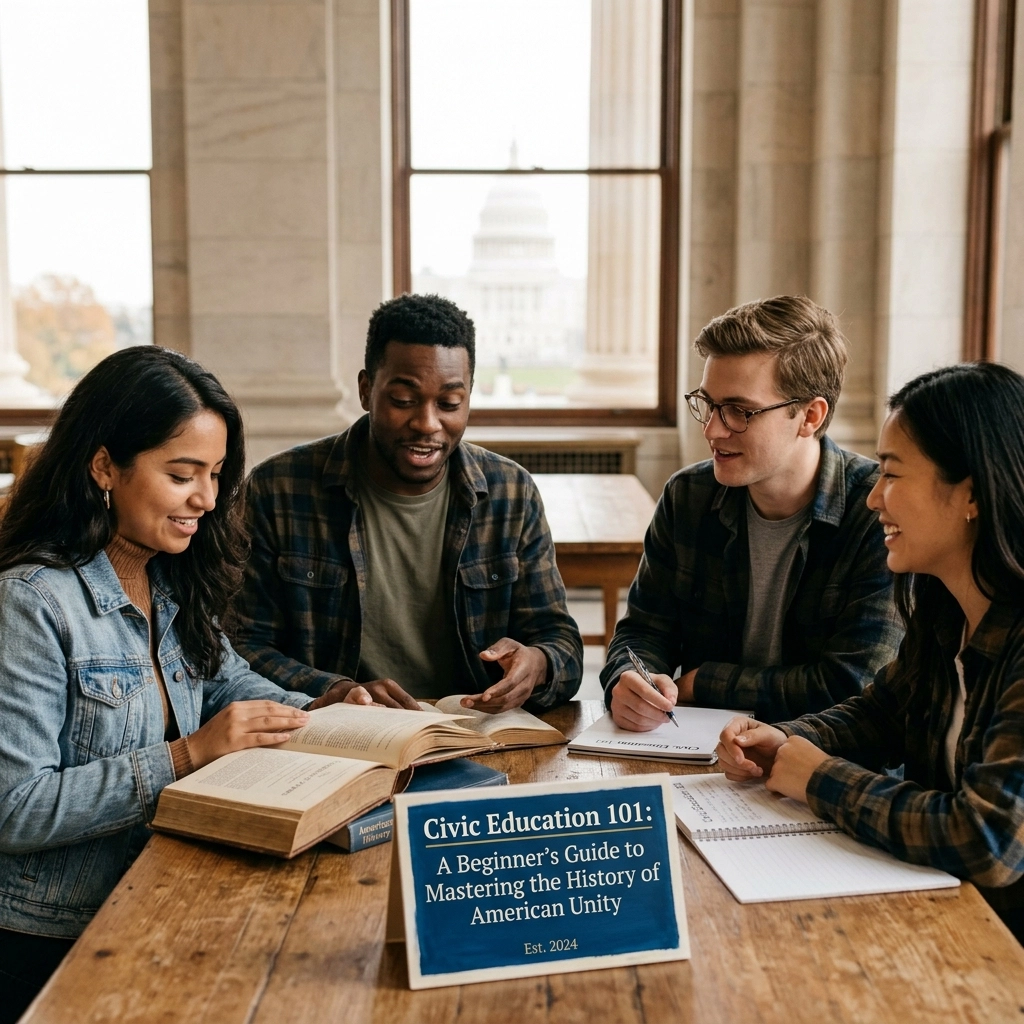
Most people think civic education is just a boring high school requirement: a collection of dry dates and dusty names you memorize for a test and promptly forget. But what if everything you’ve been told about "civics" is missing the point? What if civic education isn't about the past, but about your power right now?
As we sit here in April 2026, just a few months away from America’s 250th anniversary, understanding our shared history of unity isn't just a nice-to-have. It’s the heartbeat of our survival as a nation. Whether you’re a veteran who has defended these shores, a teacher shaping the next generation, or a parent trying to explain the world to your kids, mastering the history of American unity is the ultimate superpower.
The Foundation: Why "We the People" Changes Everything
Let’s start at the beginning: the real beginning. Before the Constitution was even a draft, there was a radical, earth-shattering idea: authority doesn't come from a crown or a bloodline. It comes from you.
When the Framers wrote "We the People," they weren't just being poetic. They were making a legal declaration that flipped the entire world upside down. For thousands of years, the world was built on the idea that people belonged to the state. In America, the state belongs to the people.
This is the core of civic education. It’s the understanding that the government has no power except for what you lend it. But here’s the catch: if you don’t understand how that system works, you can’t protect it.
The Framers’ Playbook: Learning from the Ghost of Tyrants
The men who gathered in Philadelphia in 1787 weren’t just guessing. They were obsessed with history. They spent years studying the rise and fall of Greece and Rome, looking for one specific thing: how to stop a demagogue.
They knew that democracies are fragile. They saw how easily a charismatic leader could manipulate a crowd, turn neighbors against each other, and ride that wave of division straight into a dictatorship. That’s why they built a system of checks and balances. It wasn't designed to be efficient; it was designed to be safe.
They wanted to ensure that no single person: and no single angry mob: could ever dismantle the rights of the minority. When you dive into the history of American unity, you realize that our founders didn't expect us to always agree. In fact, they built the system assuming we wouldn't. The unity they sought wasn't about having the same opinion; it was about having the same commitment to the process.

The Great Test: Lincoln and the Prudence of Unity
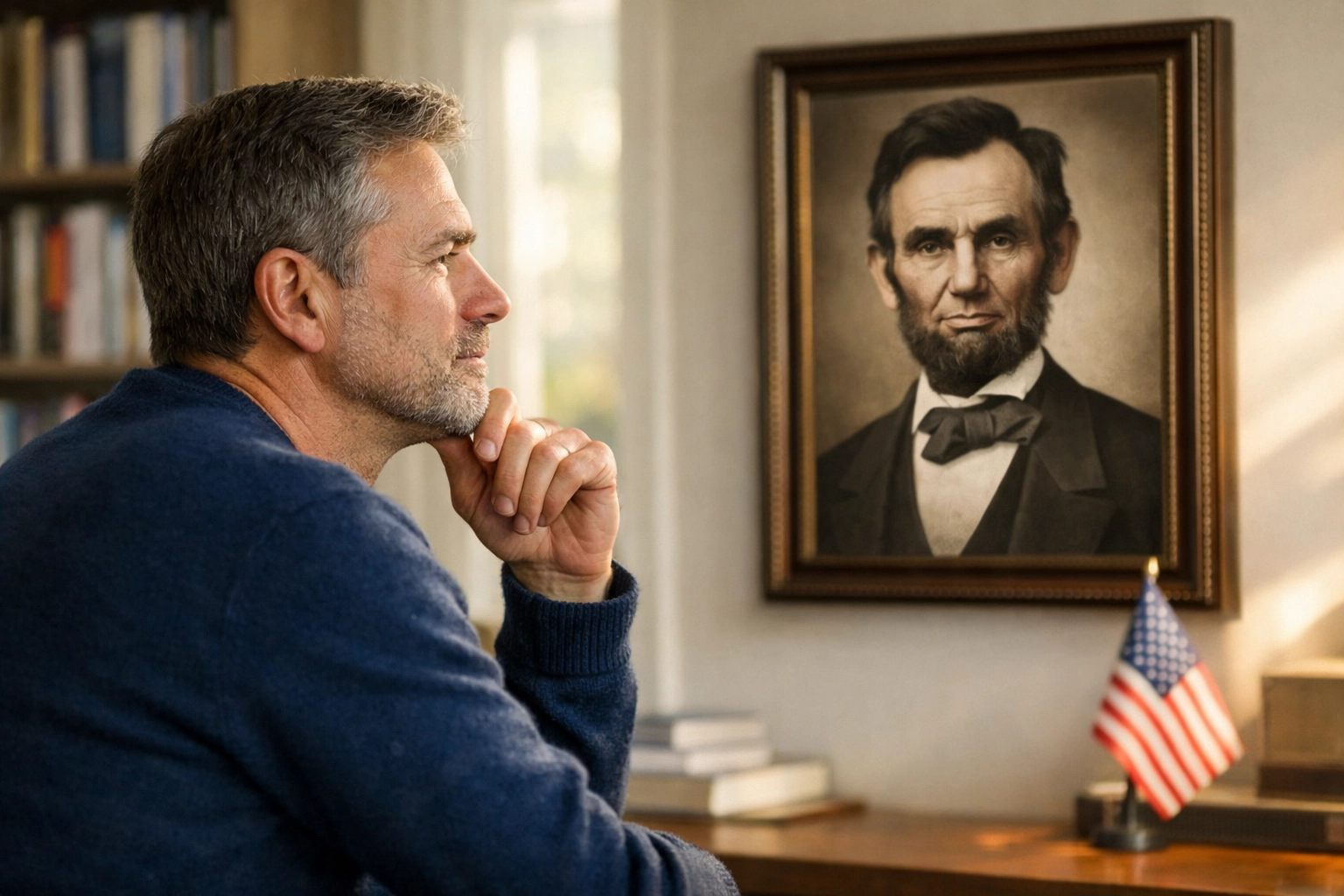
Unity is easy when times are good. It’s a whole different ballgame when the country is literally tearing itself apart. If you want to master the history of American unity, you have to look at the Civil War: and specifically, at Abraham Lincoln.
Lincoln is often remembered for his speeches, but his true genius was his prudence. He understood that to save the Union, he couldn't just be right; he had to be strategic. He had to balance the demands of radical abolitionists with the concerns of border-state moderates, all while managing a brutal war.
His statesmanship was guided by a single, unwavering goal: the preservation of self-government. He knew that if the American experiment failed, the idea of "We the People" would die with it, likely for centuries. He chose the common good over partisan purity. That’s a lesson we desperately need today as we lead our own communities. You can read more about this type of leadership in my daily CEO notes.
The Evolution of the Pledge: Our Daily Anchor
For many of us, our first real interaction with civic duty was standing in a classroom, hand over heart, reciting the Pledge of Allegiance. But did you know that the Pledge itself has a history of bringing people together during times of massive change?
When Francis Bellamy wrote the original Pledge in 1892, he was looking for a way to instill a sense of national identity in a country that was rapidly changing due to immigration and the aftermath of the Civil War. It was meant to be a unifying ritual: a daily reminder that despite our different backgrounds, we are one nation, indivisible.
Understanding the 1892 original Pledge helps you see our traditions not as stagnant relics, but as living tools for unity. It’s a promise we make to each other. When you say those words, you aren't just talking to a flag; you’re talking to your neighbor.
Why America’s 250th Anniversary is Your "Now or Never" Moment
We are currently standing in the shadow of July 4, 2026. This isn't just another Fourth of July; it’s the Semiquincentennial. Two hundred and fifty years of an experiment that many thought wouldn't last twenty.
This milestone is a call to action. It’s the perfect time to reinvigorate civic education in your home, your school, and your veteran organizations. We can't celebrate 250 years of liberty if we don't understand where that liberty comes from.

How to Master Civic Duty in 2 Minutes a Day
You don't need a PhD in political science to be an informed citizen. You just need a habit. Mastery comes from consistency, not intensity.
- Hook into the news: Stay informed on veteran initiatives and community milestones.
- Read the source material: Go back to the Constitution and the Federalist Papers. They are more readable than you think.
- Engage with your community: Unity starts at the local level. Whether it’s a school board meeting or a VFW gathering, show up.
If you’re looking for a shortcut to staying informed without the political noise, check out the fastest way to get better at civic duty. It’s designed for busy people who still give a damn about their country.
The Role of Families and Educators
To my fellow educators and parents: you are the front lines. The history of American unity isn't going to teach itself. If we don’t show our kids the value of our institutions, they won’t see any reason to defend them.
Make it personal. Talk about the veterans in your family. Explain why we stand for the flag. Use the stories of the past to show them that progress is possible when we work within the framework our founders provided. We’re not just teaching facts; we’re building citizens.
A Call to Lead
At Pledge Allegiance, we believe that reclaiming American unity starts with education. It starts with realizing that we have more in common than the headlines would have us believe. We are the heirs to a legacy of freedom, but that legacy comes with a bill: and that bill is paid in civic participation.
As we approach the 250th anniversary, I challenge you to dive deeper. Don’t just be a spectator in the American story. Be an author. Learn the history, understand the principles, and then go out and live them.
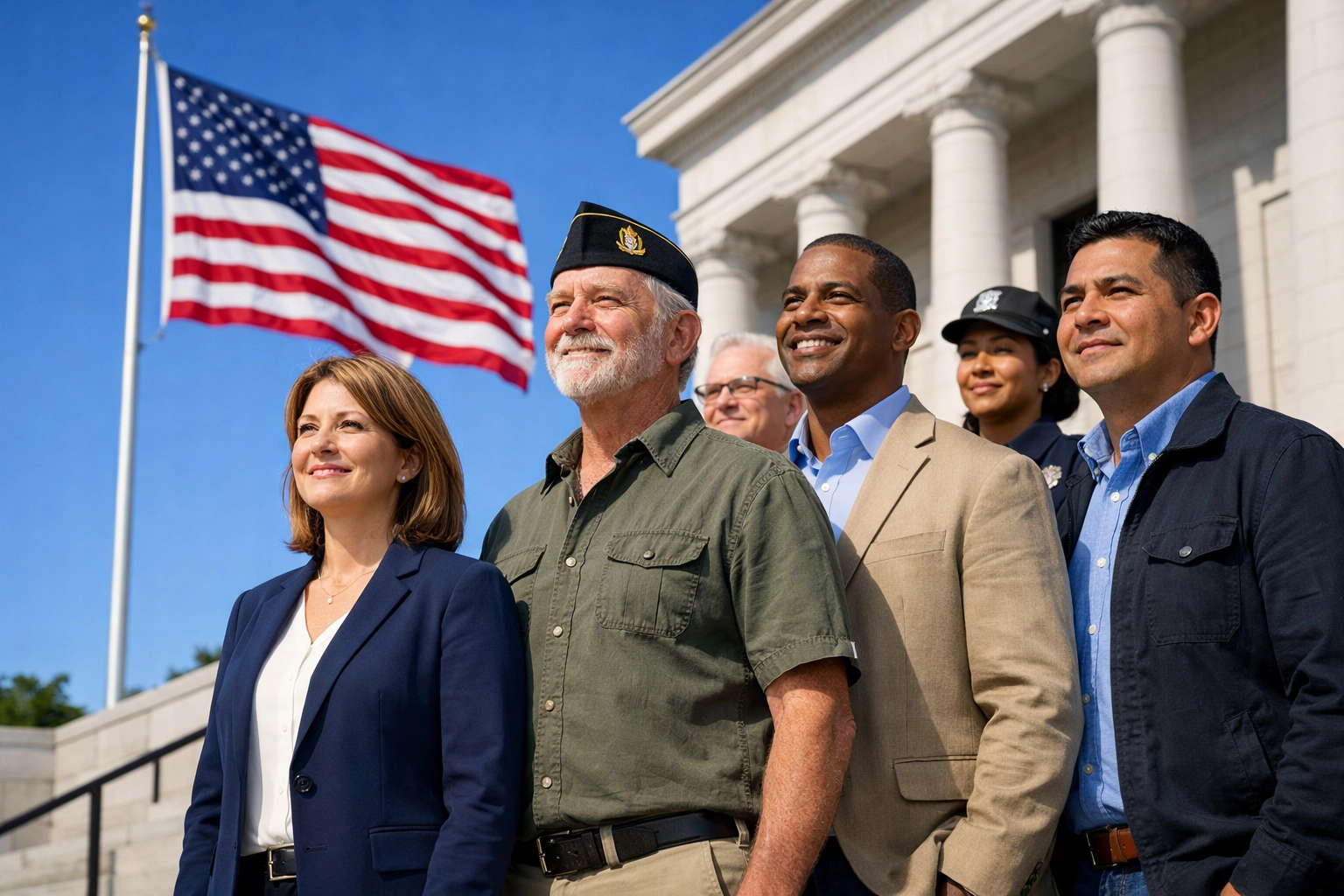
If you want to support our mission of bringing civic education back to the forefront of American life, consider making a donation or checking out our educational offerings. We’re all in this together, and the clock is ticking toward the big celebration.
Let's make sure that when July 2026 hits, we aren't just setting off fireworks. Let's make sure we’re celebrating a nation that truly understands what it means to be "One Nation, under God, indivisible, with liberty and justice for all."
Stay patriotic, stay informed, and keep leading.
: Dan Kost, CEO, Pledge Allegiance