
Most people think the Pledge of Allegiance was handed down by the Founding Fathers right alongside the Declaration of Independence and the Constitution: until they realize it was actually a marketing campaign for a magazine in the 1890s.
It sounds like a wild plot twist, doesn't it? But as we march toward July 4th, 2026: our nation’s massive 250th anniversary: understanding the "human" side of our most famous 31 words is exactly what you need to move from a hollow ritual to a deep, patriotic connection.
If you’ve ever felt like civic traditions were just things we did on autopilot, this is for you. We’re going to dive into why the Pledge isn't just a static relic of the past, but a living, breathing promise that has evolved alongside our country. When you stand up for the 250th celebration, knowing this history will make those words carry a weight you’ve never felt before.
The Secret Marketing Campaign of 1892
Picture this: It’s the late 1800s. The Civil War is still a raw, painful memory for many families. Millions of immigrants are arriving at Ellis Island, looking for a way to fit into the American story. The country is growing fast, but it’s fractured.
Enter Francis Bellamy. He wasn't a politician or a general; he was an editor for a popular family magazine called The Youth’s Companion. He had a mission: to get an American flag into every single schoolhouse in the country. To do that, he needed a hook: a "social ritual" that would unite students and sell subscriptions.
He wrote the original version of the Pledge for the 400th anniversary of Columbus’s arrival in the Americas. It wasn't written to be a religious prayer or a legal oath; it was a tool for "Americanization." It was meant to be the glue that held a diverse, changing population together.

When you realize the Pledge was born out of a desire to create unity during a time of massive social change, it hits differently. As we approach America’s 250th, we find ourselves in another era of change. Understanding that the Pledge was designed to bridge gaps: not create them: is the first step toward a more meaningful celebration. You aren't just reciting words; you’re participating in a 130-year-old experiment in national unity.
The Words Haven't Always Been the Same
One of the most common mistakes people make with civic education is assuming our traditions are set in stone. In reality, the Pledge has been "upgraded" several times to reflect the heart of the nation at specific moments in history.
- 1892: The original version read: "I pledge allegiance to my Flag and the Republic for which it stands, one nation, indivisible, with liberty and justice for all."
- 1923: Concerned that new immigrants might still be thinking of their home country’s flag, the words were changed to "the Flag of the United States." A year later, they added "of America."
- 1942: Congress officially recognized the Pledge during the height of World War II.
- 1954: At the peak of the Cold War, President Eisenhower encouraged the addition of the words "under God" to distinguish American values from those of "godless" communist regimes.
Think about that for a second. Every time the Pledge changed, it was because Americans felt a need to clarify what they stood for.
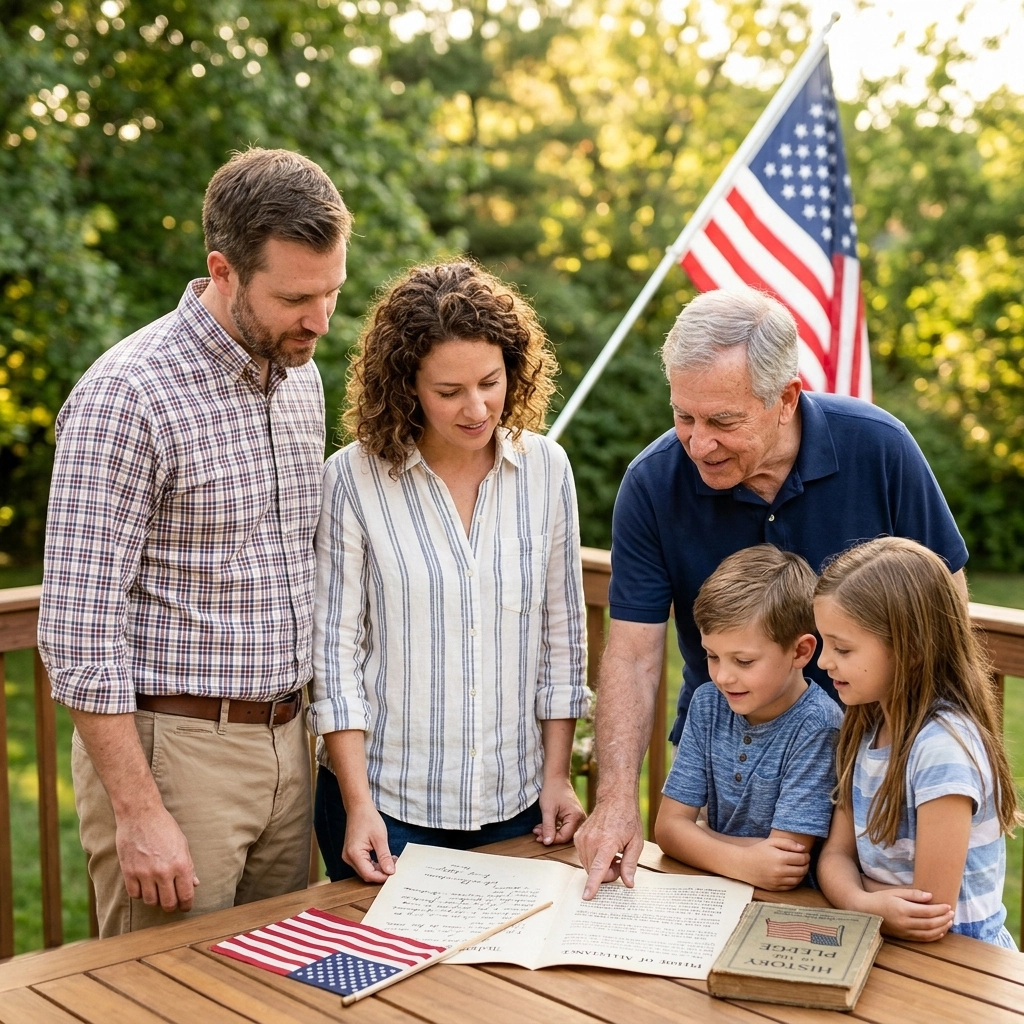
As you prepare for the America 250th celebration, ask yourself: what am I pledging to today? The history shows us that patriotism isn't about being stuck in the past: it’s about bringing our founding ideals into the present moment. If you're an educator or a parent, this is a powerful coaching moment. Teach your kids that these words are a "living promise."
Why This Knowledge Changes the 250th for You
Why does this history matter for a veteran or a family planning a backyard BBQ on July 4th, 2026? Because knowing the "why" behind the "what" prevents burnout and apathy.
When you know that the Pledge was a tool to help immigrants feel at home, you see the flag as an invitation. When you know the words "under God" were added during a time of global ideological struggle, you realize the Pledge is a statement of our highest collective values, regardless of your personal faith.
Knowing the history turns the Pledge from a "chore" into a "choice." For our veterans, who have spent their lives defending that flag, this context reinforces the significance of their service. You weren't just defending a piece of cloth; you were defending a centuries-long effort to keep a diverse nation "indivisible."

How to Lead Your Community Through the Anniversary
At Pledge Allegiance, we believe that civic education is the backbone of a strong community. You don't have to be a history professor to make an impact. Use these three "Patriot Hacks" to change how your circle views the 250th:
- Story over Script: Instead of just reciting the Pledge at your local veteran's event or school board meeting, share one historical fact first. Tell them about Bellamy’s magazine or the 1954 change. It wakes people up. It creates a captivating experience that lingers in their minds.
- The "Indivisible" Challenge: Focus on that word for the 250th. In a world that feels divided, use the history of the Pledge to remind your family that the goal has always been unity. Challenge your kids to find one way to be "indivisible" in their own friend groups.
- Support the Mission: Civic education doesn't happen by accident. It requires resources and constant reinforcement. Consider making a donation to support civic education so we can keep bringing these stories to classrooms across the country.
The 2-Minute Anchor Every Patriot Needs
We know you're busy. Between work, family, and community commitments, it’s easy to let the significance of our national milestones slip through the cracks. That’s why we’ve designed our daily updates to be the "2-minute anchor" you need to stay grounded in what matters.

Whether it’s a quick story about a local veteran or a deep dive into a founding document, staying connected to the history of the Pledge keeps your patriotism fresh and active. Don't let the 250th anniversary be just another day off work. Make it the day you truly understand what you’re pledging to.
Moving Toward July 2026 with Purpose
As we count down the days to the Semiquincentennial, the noise is going to get louder. There will be parades, speeches, and plenty of fireworks. But the people who will truly "celebrate" are those who understand the heart of the American story: the messy, evolving, and ultimately hopeful story of a people trying to stay united.
The Pledge of Allegiance is your personal entry point into that story. It’s not just a poem for school kids. It’s a bold statement that says, "I am part of this."
Dive deep into our offerings to find more ways to engage your community, or check out our blog for daily insights that will keep you ahead of the curve.
You have the power to turn a tradition into a transformation. When you stand up, hand over your heart, and look at the stars and stripes this July, remember: those words were written to bring us together. Let’s make sure they still do.

Lead your family. Inspire your community. Honor our veterans.
The 250th is coming. Are you ready to pledge like you mean it?
If you want to stay updated on how we're celebrating and get daily doses of civic inspiration, follow our daily updates here. Let’s make history together.