
If you’ve ever felt that pit in your stomach while watching the news, wondering if the next generation truly understands the weight of the "Republic for which it stands", you are definitely not alone. Most people think civic education is just a dusty list of dates and dead presidents that kids memorize to pass a test. But here is the reality: civic education is the owner’s manual for our democracy. Without it, the machinery of our great nation starts to rust.
As we march toward America’s 250th anniversary, there has never been a more critical time to talk about how we raise the next generation of informed, passionate, and patriotic citizens. At Pledge Allegiance, we live and breathe this stuff. I’m Dan Kost, and I’m here to walk you through exactly what civic education looks like when it’s done right.
Why Civic Education is More Than Just a History Class
Let’s get one thing straight, knowing the year the Constitution was signed is great, but it’s only the beginning. True civic education is the process of teaching the knowledge, skills, and virtues needed for a person to be a competent participant in our democracy. It’s the difference between someone who just lives in a country and someone who helps lead it.
When we neglect this, we see a decline in community engagement, a lack of understanding of our fundamental rights, and a disconnect from the very values that make us American. We aren’t just looking to create "voters." We are looking to create neighbors, leaders, and defenders of liberty.

The Four Pillars of Quality Civic Education
If you are an educator or a parent looking to spark a fire in a young person’s heart, you need to focus on four essential elements. Think of these as the legs of a chair, remove one, and the whole thing topples over.
1. A Solid Foundation of Knowledge
You can't defend what you don't understand. A student needs to grasp the "how" and "why" of our government. This includes:
- The Constitution and the Bill of Rights: Understanding that these aren't just old papers, but the shield that protects our individual freedoms.
- Economics and Geography: Knowing how our resources and location shape our role in the world.
- The Structure of Government: Understanding the checks and balances that prevent any one person from having too much power.
2. Discussion of Relevant Issues
Civics shouldn't be a monologue; it should be a dialogue. We need to encourage young people to talk about current events, even the tough ones, through the lens of democratic principles. How does a current law reflect our values? How do we balance safety and liberty? These conversations build the "civic muscles" needed to navigate a complex world.
3. Interactive Learning
Nobody ever learned to ride a bike by reading a manual. The same goes for citizenship. We need participatory methods:
- Mock Debates: Let them argue the pros and cons of a local ordinance.
- Simulations: Run a mock election or a town hall meeting.
- News Media Literacy: Teach them how to spot bias and find the truth in a sea of information.
4. Participation in the Community
This is where the rubber meets the road. Service learning and civic engagement move a student from the classroom to the community. Whether it’s volunteering for a veteran’s organization or attending a local city council meeting, action is the ultimate teacher.
The Pledge of Allegiance: More Than Just Words
At the heart of our mission at Pledge Allegiance is, well, the Pledge itself. Since 1892, these thirty-one words have served as a daily reminder of our shared identity. But how often do we stop to think about what they actually mean?
When we teach children the history and significance of the Pledge, we are giving them a sense of belonging. We are teaching them that regardless of our differences, we are "one nation, under God, indivisible." It’s a powerful tool for unity in a time when things often feel fractured.
If you want to dive deeper into why we believe so strongly in this daily ritual, check out our About page to see how we’re working to keep this tradition vibrant in schools across the country.
Raising a Citizen: Practical Steps for Families
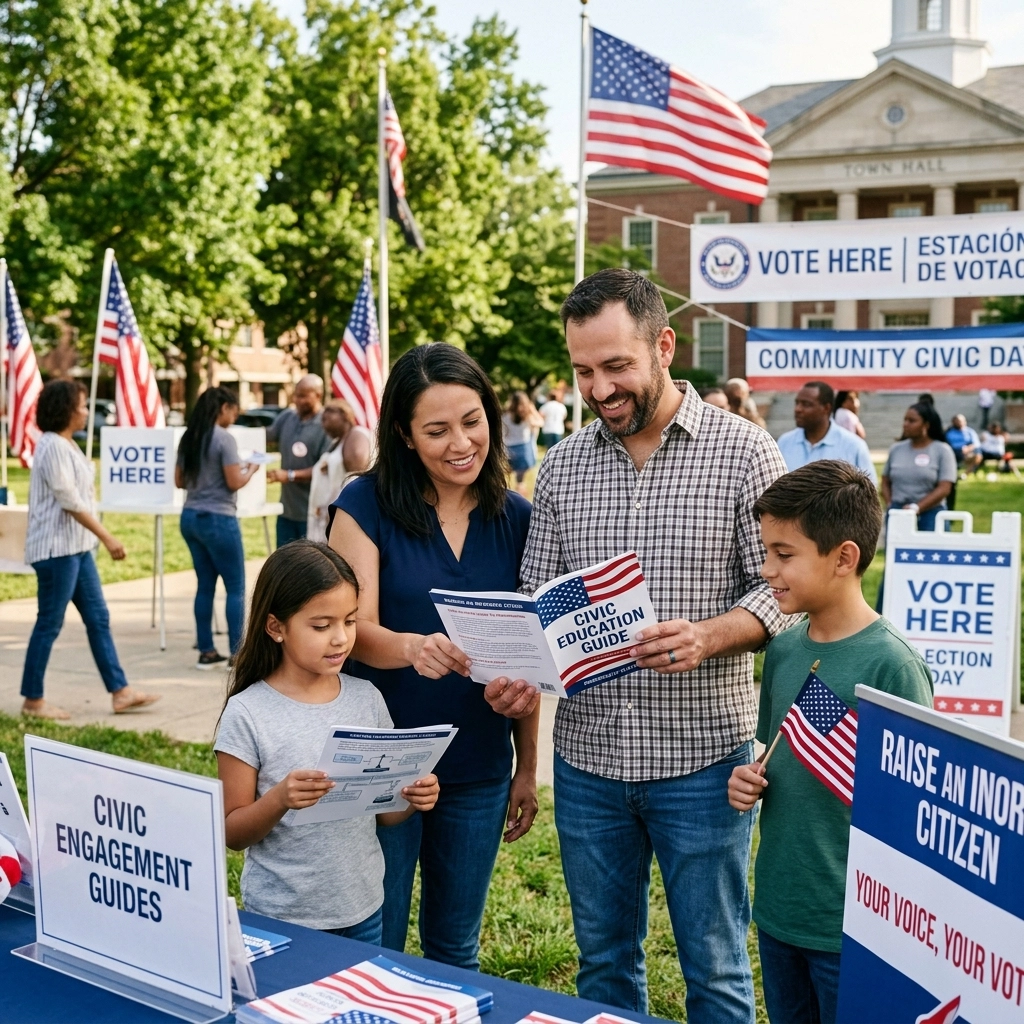
You don't need a PhD in political science to raise an informed citizen. It starts at the dinner table. Here are a few ways you can start today:
- Lead by Example: Do you vote? Do you volunteer? Your kids are watching. Let them see you taking your civic duties seriously.
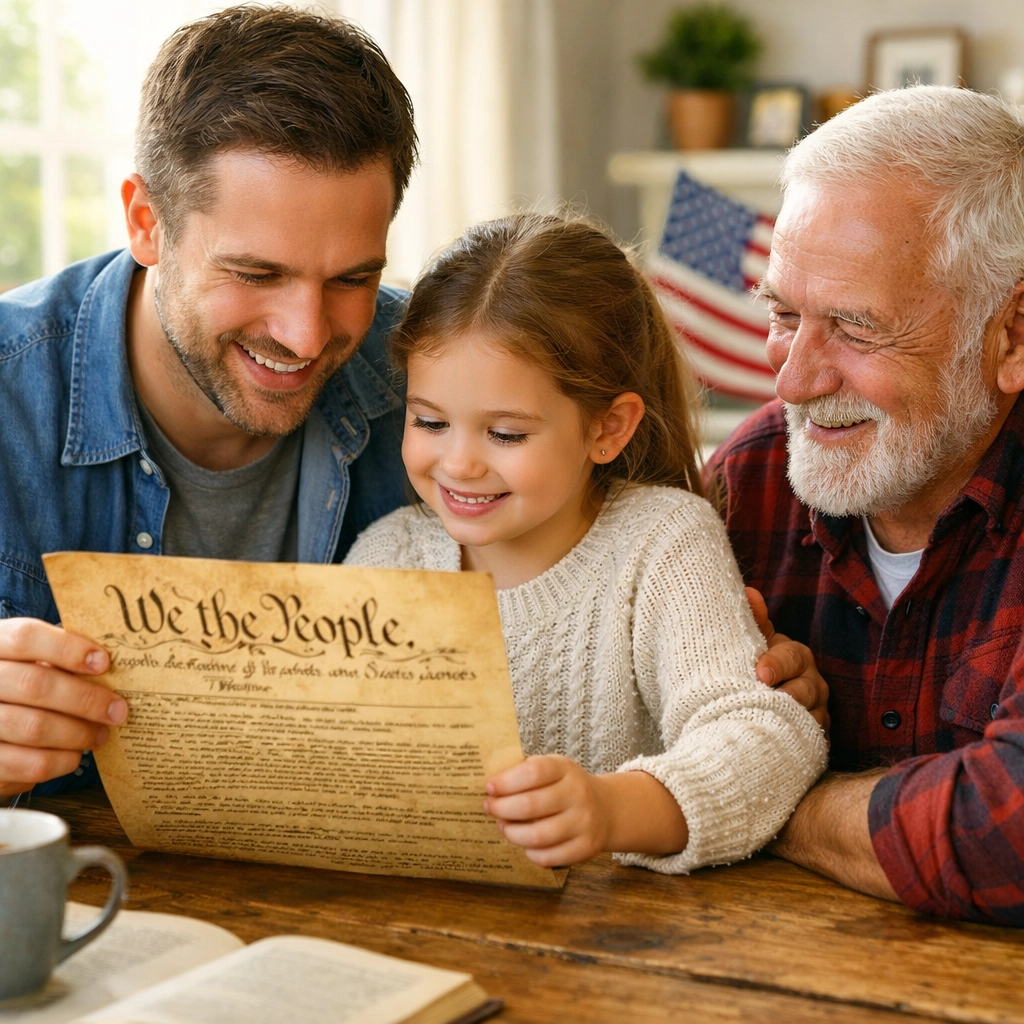
- Read the Founders: Pick up a copy of the Federalist Papers or even just read the Declaration of Independence together. Use the language of liberty in your home.
- Visit Historic Sites: Nothing makes history come alive like standing where it happened. Take a trip to a local monument or a national park.
- Celebrate the 250th: We are coming up on a massive milestone in 2026. Make it a big deal! Talk about how far we’ve come and where we want to go in the next 250 years.
The Role of Veterans and Mentors
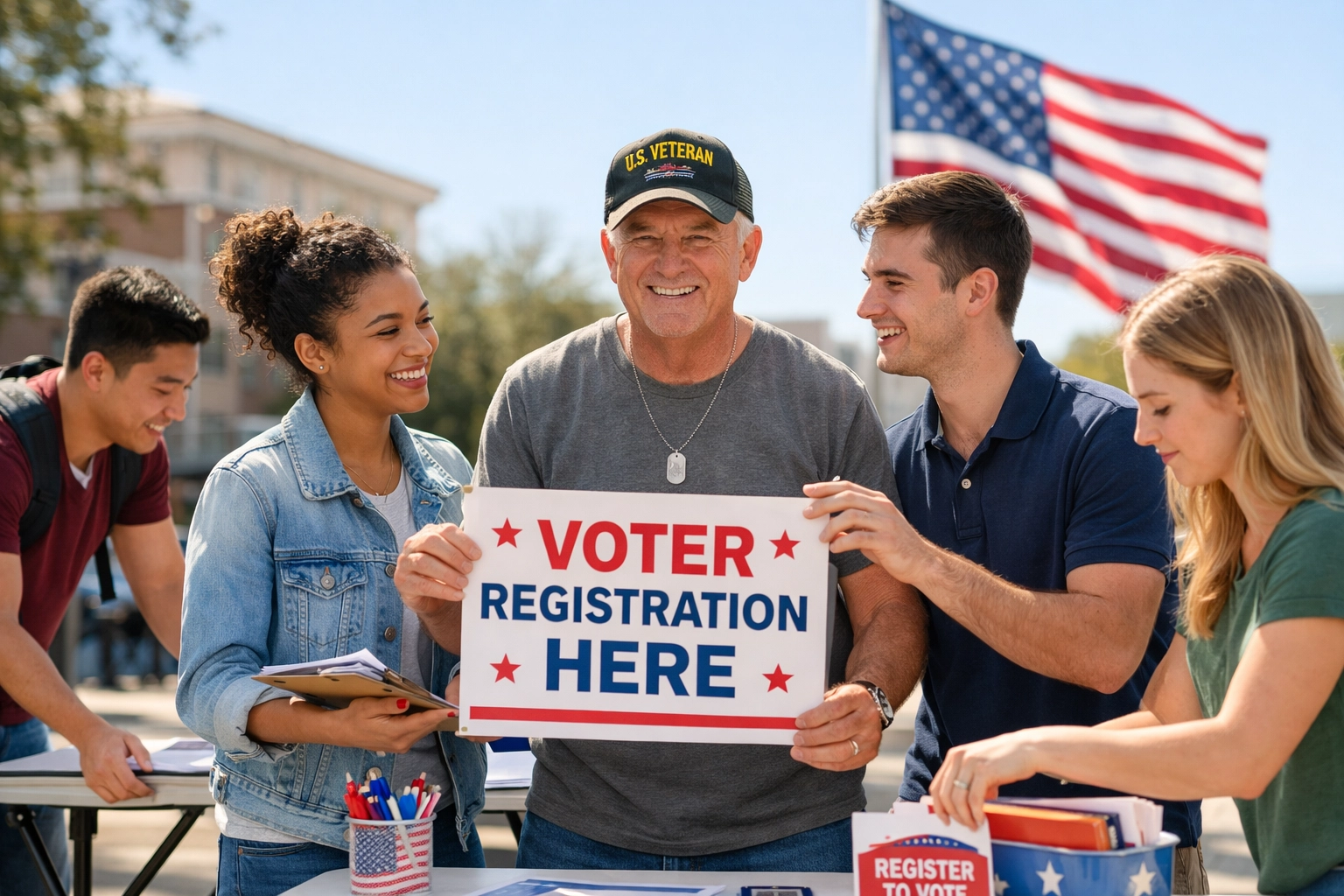
To our veterans: you are the living embodiment of civic virtue. You didn't just read about democracy; you defended it. Your stories are the most powerful teaching tools we have. When you share your experiences with the younger generation, you bridge the gap between "history" and "reality."
We encourage educators to bring veterans into the classroom. Let students ask questions. Let them see the face of service. This interaction is a key part of the "interactive learning" pillar we talked about earlier. It turns a concept into a person.
The Path Forward: Education to Activation
The goal of everything we do at Pledge Allegiance is to move people from education to activation. It is not enough to know how a bill becomes a law; you have to care enough to ensure that the law is just.
We are building a community of people who believe that America’s best days are ahead of us, but only if we put in the work to educate the "owners" of this country, the citizens. High-quality civic education moves participants from a passive stance to an active one. It empowers them to organize community events, lead public discussions, and stand up for what is right.
How You Can Help
Building an informed citizenry isn't a job for one person or one organization. It’s a collective effort. We invite you to join us in this mission. Whether you are an educator looking for resources or a patriot looking to give back, there is a place for you here.
- Explore our resources: We have a wealth of information on our blog about the history of our nation and the importance of civic values.
- Support the mission: As a non-profit, we rely on the generosity of people like you. Consider making a donation to help us reach more schools and families.
- Get involved: Reach out to us through our contact page if you want to partner with us or bring our programs to your community.
Final Thoughts from the Desk of Dan Kost
Listen, our country is a gift. But like any gift, it has to be cared for. Civic education is the maintenance we perform to ensure that the "blessings of liberty" are preserved for our children and our children’s children.
It starts with a simple promise: a pledge: and grows into a lifelong commitment to the American experiment. Let’s make sure we’re giving the next generation everything they need to succeed. They are the ones who will carry the torch into the next 250 years. Let’s make sure that torch is burning bright.
Stay patriotic, stay informed, and keep pledging allegiance to the values that make this the greatest nation on Earth.
– Dan Kost, CEO, Pledge Allegiance