

Most people think being a “good citizen” is something you do once every four years when you step into a voting booth: until they realize that civic duty is actually the secret sauce to a fulfilled, high-impact life.
Look, I’ve spent my career building organizations and studying what makes this country tick. If there’s one thing I’ve learned as the CEO of Pledge Allegiance, it’s that the values we talk about in history books aren't just dusty relics. They are living, breathing tools for leadership. When you master civic values in your daily life, you don't just become a better neighbor: you become a better leader, a better parent, and a more effective human being.
This isn’t about politics. It’s about the underlying code of conduct that keeps our republic strong. It’s about the habits that transform "me" into "we." If you’ve ever felt like the world is getting a bit too chaotic, or like the sense of community is slipping through your fingers, this guide is for you.
The Foundation: Why Civic Values Aren't Just for Holidays
We often reserve our patriotism for the Fourth of July or Veterans Day. We hang the flag, we say the words, and then we go back to our silos. But true civic value is a 365-day-a-year commitment. It’s the "stewardship of direction, energy, and integrity" that defines the best leaders I know.
At Pledge Allegiance, we’ve made it our mission to bring these values back to the forefront of the American conversation. Whether it's through civic education 101 or our daily outreach, the goal is always the same: to remind you that your contribution matters.
Integrity isn't something you turn on when the cameras are rolling. It’s what you do when you’re stuck in traffic, how you respond to a frustrated customer, and how you treat the person who can do absolutely nothing for you. That is where the "Spirit of the Pledge" truly lives.

Habit 1: Lead with Empathy and Respect
In the boardroom and on the front lines, empathy is often mistaken for weakness. That’s a mistake: a big one. Leading with empathy and respect is the foundation of civic life. It’s about recognizing that every person you encounter is a fellow citizen with their own burdens and aspirations.
Organizations with the strongest civic commitments emphasize recognizing and understanding others' perspectives. As a leader, your job isn't just to give orders; it's to build a culture where everyone feels they have a stake in the outcome. When you treat people with dignity, you’re not just being "nice": you’re reinforcing the social contract that holds our communities together.
How to do it today:
- Acknowledge the humanity of everyone you meet.
- Look people in the eye when you speak to them.
- Practice "active respect": assume that others have something valuable to teach you, regardless of their background or status.
Habit 2: Practice Reciprocal Giving
There’s a concept I talk about often in my daily CEO letters: reciprocal giving. Successful CEOs and community leaders don't just take; they create a cycle of generosity.
Research shows that the most effective leaders are those who give more than they take. This doesn't mean being a doormat. It means actively seeking out ways to help others before you ask for help yourself. Reach out to a mentor and thank them. Respond to that person on LinkedIn who’s looking for a foot in the door. These small acts of "civic hygiene" keep the wheels of society turning.

When you give without an immediate expectation of return, you build a reservoir of goodwill that sustains you when times get tough. This is how we scale the American spirit: one selfless act at a time. If you want to see how this works on a larger scale, check out our latest veterans initiative to see how we’re putting this into practice.
Habit 3: Radical Listening and Presence
We live in a world of noise. Everyone is shouting, but very few people are actually listening. Civic engagement teaches us to lead with listening. It requires us to remain grounded in the everyday needs of those whose voices are often drowned out.
Think about the last time you were in a meeting. Were you listening to understand, or were you just waiting for your turn to speak? Radical presence means being 100% there. It means putting the phone away and giving your full attention to the person in front of you.
In my daily work, I try to stay visible and active within the community. I don't just sit in an office; I want to hear from the people who are using our civic offerings. This keeps me grounded and ensures that our mission stays aligned with the real-world needs of Americans.
Action Item: Spend 15 minutes today listening to someone you usually disagree with. Don't argue. Don't refute. Just listen to their experience. That’s a civic value in action.
Habit 4: Sustaining Integrity Under Pressure
It’s easy to be a person of character when things are going well. The real test of your civic values happens when the pressure is on: when profits are down, when a deadline is looming, or when a conflict arises.
As a leader, you are the steward of your organization’s energy and integrity. You protect the culture by first protecting your own well-being and staying principled when the heat is turned up. This balance: high accountability paired with regulated energy: is what makes leadership sustainable.
This is why I share a personal message with you every single day. It keeps me accountable. It reminds me that my words have weight and that my actions must match the mission of Pledge Allegiance.

Habit 5: Make Community Connections Personal
Civic values aren’t abstract concepts; they are personal. One of the best frameworks for a CEO is to stay visible and active in their community while supporting the personal growth of those around them.
Don't just donate to a cause: get involved. Don't just talk about "community": know your neighbors' names. At Pledge Allegiance, we believe that consistency matters. Our daily milestones and community goals aren't just for show; they are designed to keep the spirit of the Pledge alive in the hearts of every citizen.
Whether you are shopping for patriotic gear or making a donation to support civic education, you are making a personal connection to a larger cause.
The Original Vision: Lessons from 1892
If you want to understand the "why" behind what we do, you have to look at history. The original 1892 Pledge of Allegiance was written with a specific purpose: to unify a nation and instill a sense of common purpose.
When you recite those words today, you aren't just making a promise to a flag; you’re making a promise to your fellow citizens. You’re saying, "I see you, I respect you, and I am committed to our shared future." That is the ultimate civic value.
Your Daily Call to Action
Mastering civic values doesn’t require you to run for office or start a non-profit. It starts with the man or woman in the mirror. It starts with a choice to lead with kindness, to act with integrity, and to give more than you take.
I challenge you to pick one of the habits we’ve discussed today and implement it immediately. Not tomorrow. Today.
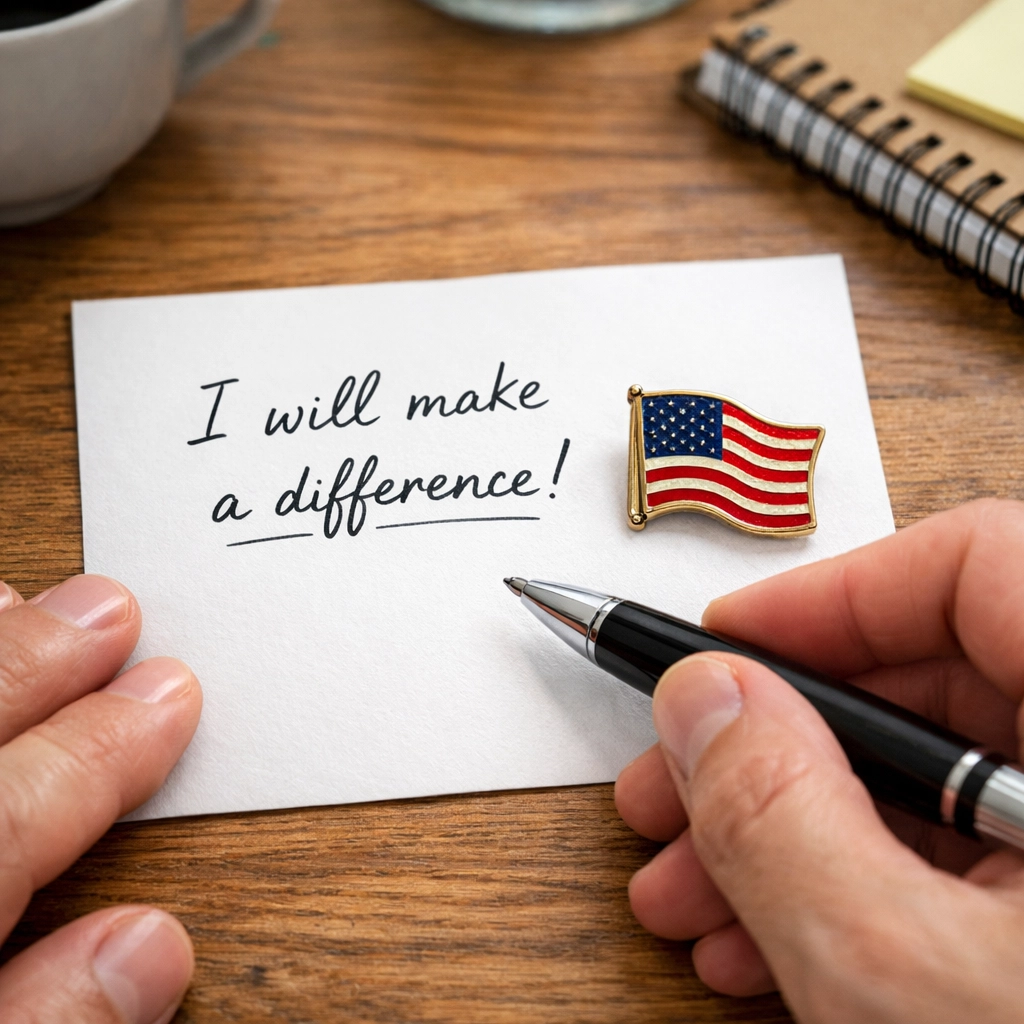
- Send a "thank you" note to someone who helped you.
- Spend five minutes learning about our mission.
- Join the thousands of people who are rethinking what it means to be a citizen by reading my daily letters.
We are building something special here at Pledge Allegiance. We are reclaiming the narrative of what it means to be an American in the 21st century. It’s a journey of a thousand miles, and it starts with a single step.
Stay grounded. Stay patriotic. And most importantly, stay engaged.
– Dan Kost, CEO, Pledge Allegiance
For more insights on leadership and civic education, visit our blog or contact us to see how you can get involved. If you believe in the power of civic values, consider making a donation to help us continue this vital work.