
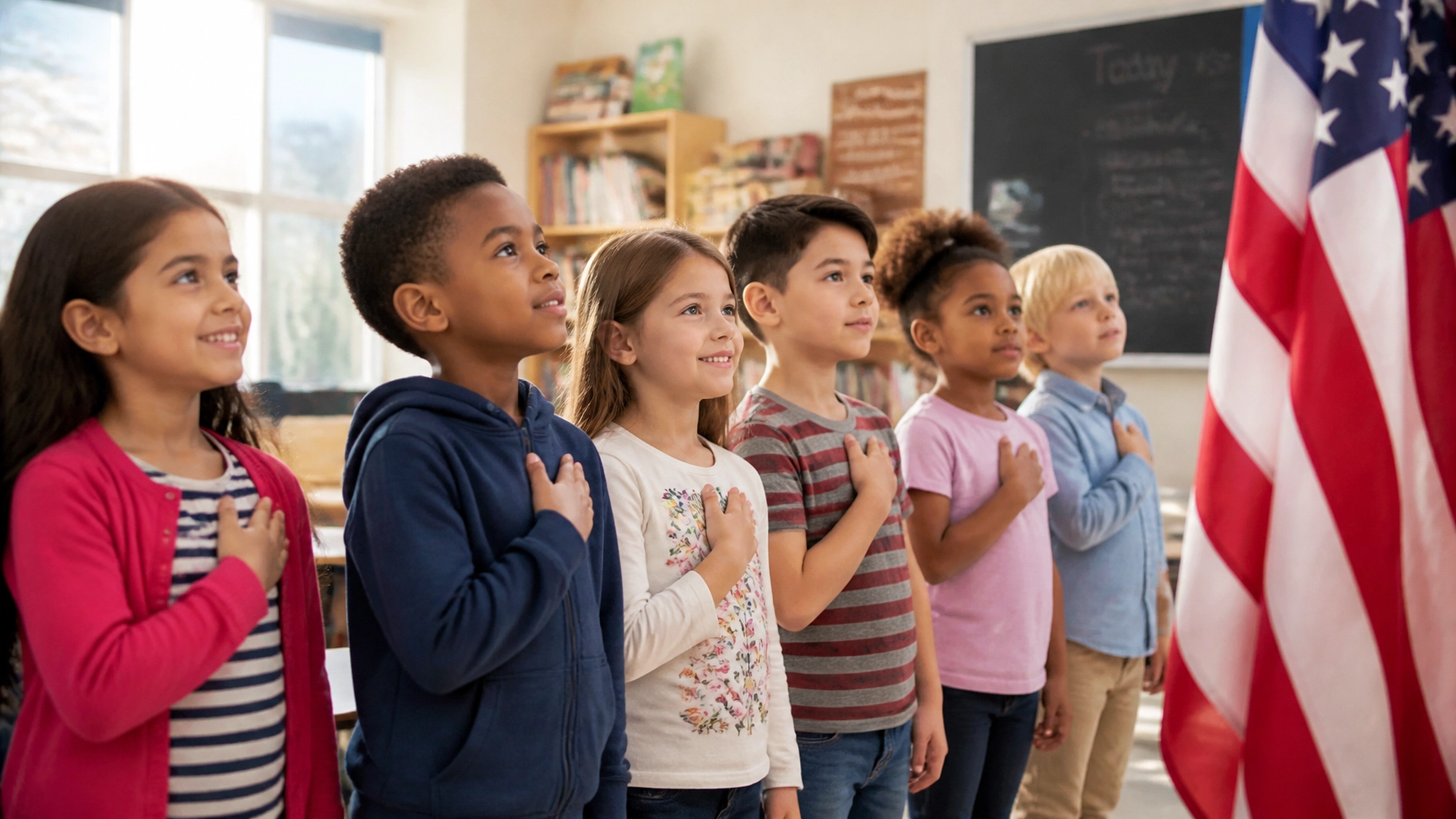
Most parents think kids just memorize the Pledge of Allegiance on autopilot: until they see the spark of real understanding when a child finally grasps what those big, heavy words actually mean. You’ve heard it every morning for years. Your kids recite it before the first bell rings. But if you asked your eighth grader or your seven-year-old to define "liberty" or "justice," would they have a clear answer, or just a blank stare?
At Pledge Allegiance, we believe that when we move beyond rote memorization, we transform a daily habit into a powerful lesson in civic responsibility. As we approach America's 250th anniversary in 2026, there has never been a more vital time to ground the next generation in the core values that define our nation. You aren't just teaching words; you are passing down the torch of democracy.
The "Autopilot" Challenge: Why Meaning Matters
Reciting the Pledge of Allegiance is a tradition that connects generations of Americans. However, when words become too familiar, they risk losing their weight. We call this the "Autopilot Challenge." To a child, "allegiance" can sound like a complicated vocabulary word, and "indivisible" is just five syllables they have to get through before lunch.
Your job as a parent or educator is to be the guide who brings these concepts to life. By breaking down the Pledge into digestible, relatable concepts, you help your children see themselves as active participants in the American story rather than just spectators. You can start this journey today by exploring our about page to see how we’re dedicated to this mission.
Liberty: The Power of Your Own Voice
How do you explain a concept as massive as "liberty" to someone who still needs permission to eat a cookie? You start with the heart of the word: Freedom.
Liberty is the ability to make choices about your own life. It’s the right to have your own thoughts, to speak your mind, and to dream about what you want to be when you grow up.
– Try this analogy: Ask your child to imagine a world where someone else picked their favorite color, their favorite game, and even the books they were allowed to read. That feeling of wanting to choose for yourself? That is the seed of liberty.
Explain to them that in the United States, we protect that right for everyone. Liberty means that even when we disagree, we have the freedom to say so without being afraid. It’s a captivating idea: that millions of different people can all have the freedom to be themselves under one flag.
Justice: The Ultimate Rule of Fairness
If "liberty" is about freedom, "justice" is about fairness. This is a concept kids understand instinctively: usually starting with the phrase, "That’s not fair!"

Justice means that the rules are the same for everyone, regardless of who they are or where they come from. It’s the promise that if someone does something wrong, the consequences are fair, and if someone is treated poorly, there is a way to make it right.
– The Playground Test: You can coach your kids to see justice in action on the playground. If every child gets a turn on the swings, that’s justice. If the rules of a game apply to the oldest kid and the youngest kid equally, that’s justice.
When you teach justice, you are teaching your children that our legal system and our social rules are built on the foundation of treating people with dignity and equality. It’s about more than just "getting in trouble": it’s about the collective promise to be a fair society.
"For All": The Two Most Important Words
The Pledge doesn't end with "liberty and justice for some." It ends with a definitive, inclusive, and powerful "for all."
This is where the true heart of the Pledge resides. It is an immersive promise that includes every single person in our country: people who look like us, people who don't, people we agree with, and people we don’t. By emphasizing these last two words, you teach your children that American civic values are built on a foundation of unity and inclusion.
In a world that often feels divided, teaching your children to value "for all" reinforces the idea that we are one "indivisible" nation. This isn't just a historical fact; it's a daily commitment to our neighbors. You can dive deeper into these civic education offerings to find more ways to weave these lessons into your daily routine.
The 250th Anniversary: A Living Promise
As we look toward 2026, we aren't just celebrating a birthday; we are celebrating 250 years of a work-in-progress. The Pledge of Allegiance is a living promise that each generation has to renew. When your children say those words, they aren't just looking back at history: they are looking forward to their role in the future.

The 250th anniversary is the perfect hook to get kids excited about history. It’s a milestone that says, "We’ve come this far, and now it’s your turn to help us keep going." Use this upcoming celebration to spark conversations about what kind of country they want to live in when they are adults.
Actionable Steps for Families and Educators
Ready to move from theory to practice? Here are three simple ways to reinforce these values this week:
- The Fair/Unfair Sort: Give your kids different scenarios (e.g., "Only people with blue shirts can play at recess" vs. "Everyone takes turns on the slide"). Ask them to label them as "just" or "unjust." It’s a quick way to build their moral compass.
- The "Why" Morning: One morning this week, before the Pledge, ask one question: "What is one freedom you’re thankful for today?" It forces them to step off autopilot and think about the reality of liberty.
- The Word Substitution: Try reciting the Pledge but substitute the "simple" words. "With freedom and fairness for everyone." It helps the brain process the meaning in a fresh, coherent way.
The Veteran Connection: Making History Human
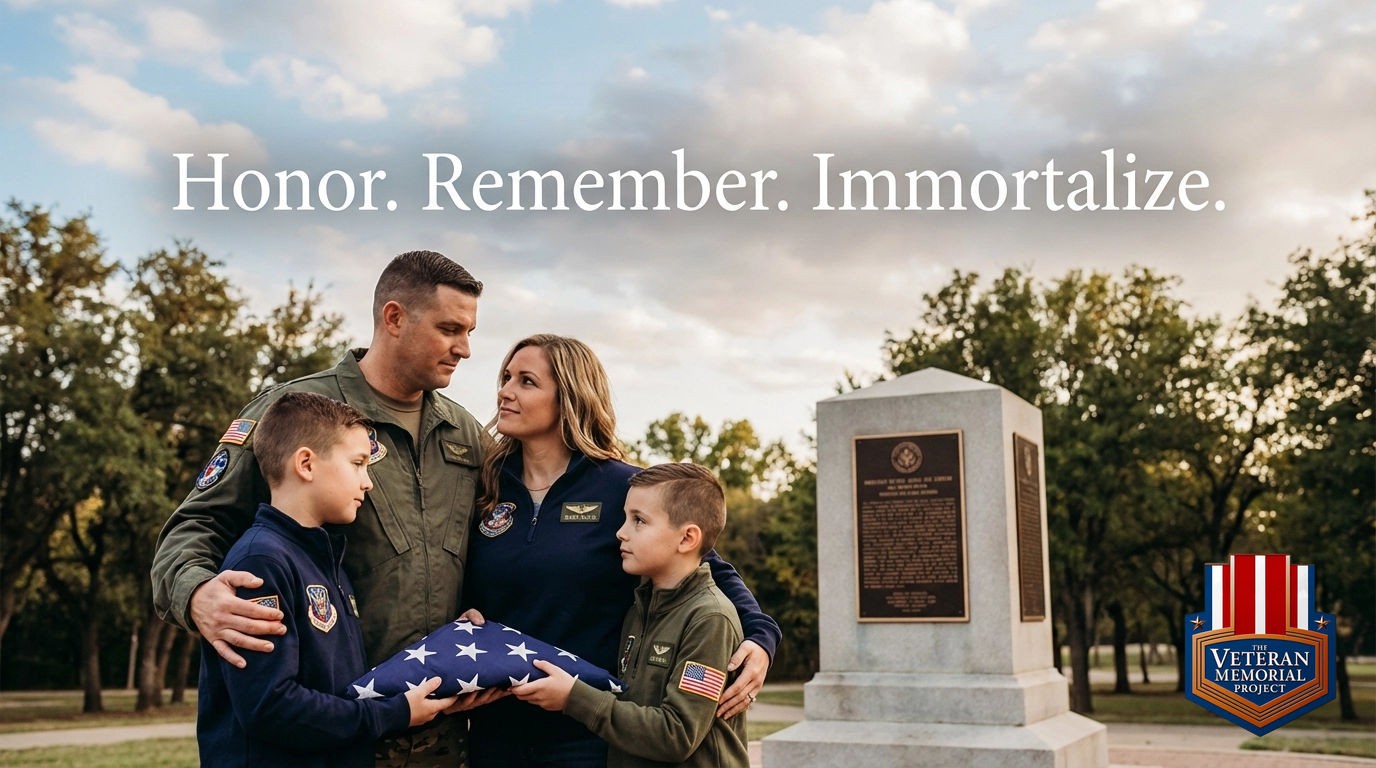
One of the most powerful ways to teach the Pledge is to introduce the people who have spent their lives defending it. Veterans are the living embodiment of the words "allegiance" and "sacrifice."

When a child hears a story from a veteran, the Pledge stops being a poem and starts being a lived experience. It connects the abstract concepts of liberty and justice to the real-world faces of service and bravery. You can find inspiration on how to honor these stories in our post about honoring the sacrifices behind the stars and stripes.
By bringing veterans into the conversation, you linger on the human cost of our freedoms. It teaches children that liberty isn't free: it’s a gift preserved by millions of brave men and women who took their pledge seriously.
Conclusion: Building the Next Generation of Citizens
You have the incredible opportunity to turn a 15-second morning ritual into a lifelong foundation for citizenship. By teaching the deep meaning of liberty and justice, you are empowering your children to be informed, compassionate, and active participants in our democracy.
At Pledge Allegiance, we are here to support you in that journey. Whether you are an educator looking for classroom resources or a parent wanting to spark a meaningful dinner table discussion, our goal is to replace assumptions with actual knowledge. Let’s work together to ensure that when the next generation says "with liberty and justice for all," they know exactly what they’re promising: and they mean every word.