
What if everything you've been told about the American flag is just scratching the surface?
You see it everywhere. Draped over porches. Stitched onto uniforms. Flying high above government buildings and little league fields alike. But when was the last time you actually stopped to think about what you're looking at?
The American flag isn't just fabric and thread. It's a living symbol: one that carries the weight of history, sacrifice, and a promise that still echoes through every generation. And in 2026, understanding that symbolism matters more than ever.
More Than Stars and Stripes
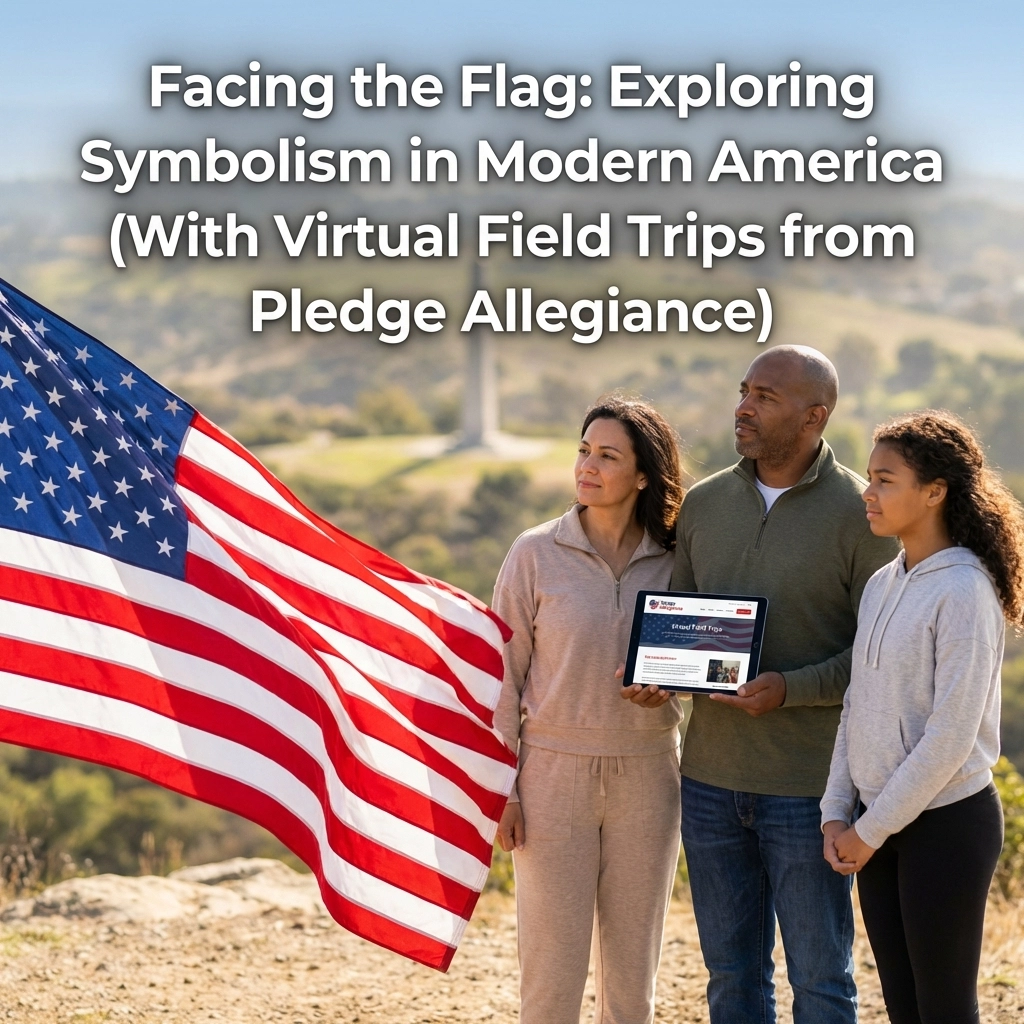
Let's start with the basics. Thirteen stripes for the original colonies. Fifty stars for the states we've become. Red for valor and hardiness. White for purity and innocence. Blue for vigilance, perseverance, and justice.
You probably learned that in elementary school. But here's the thing: those colors and shapes represent something far deeper than a history lesson.
They represent people. Real people who believed in something bigger than themselves. Farmers who became soldiers. Immigrants who became citizens. Ordinary Americans who did extraordinary things because they believed in an idea called freedom.
When you face the flag today, you're not just looking at a piece of national décor. You're standing in front of a story that's still being written.

The Symbolism We've Forgotten
Here's what most people miss about American symbolism: it was designed to evolve.
The flag has changed 27 times since 1777. Each change reflected growth: new states, new chapters, new possibilities. That's not an accident. The founders built flexibility into our national identity because they understood that a nation isn't static. It breathes. It grows. It adapts.
Think about that for a second. The very design of our flag tells us that change isn't something to fear: it's something to embrace, as long as we hold onto the core values that define us.
Valor. Purity. Justice. Perseverance.
Those aren't outdated concepts. They're the foundation everything else rests on.
Why Symbolism Matters in Modern America
In an age of endless scrolling and instant information, symbols cut through the noise.
You don't need a paragraph to understand what the flag represents. You feel it. That's the power of symbolism: it speaks directly to something deeper than words can reach.
But here's the challenge: if you don't understand what a symbol means, it loses its power. It becomes wallpaper. Background noise. Just another image in a world oversaturated with images.
That's why civic education matters so much right now. Not the boring, memorize-the-dates kind. The real kind: the kind that helps you connect with the meaning behind what you see.
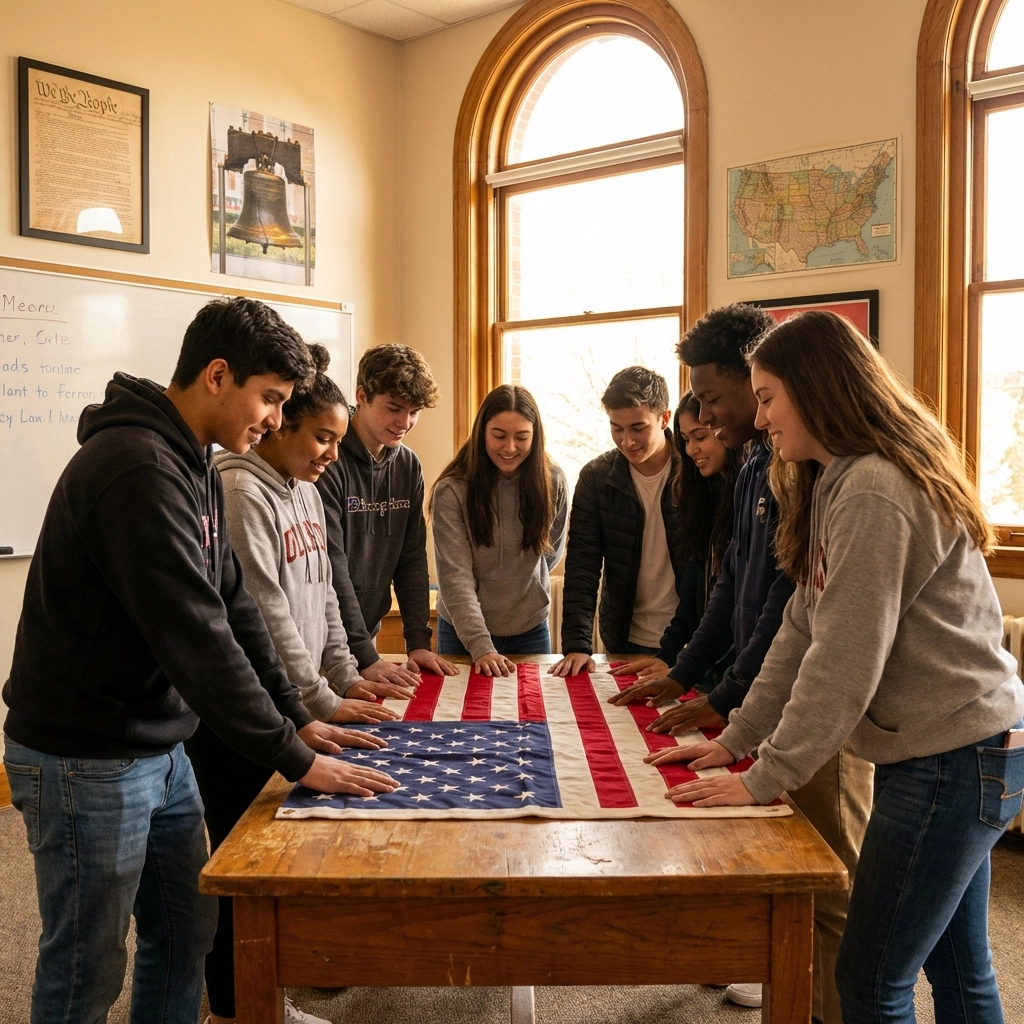
When a young person understands why we fold the flag thirteen times at a military funeral, something shifts. When a family learns the story behind the stars, conversations happen. When a community gathers to explore what "liberty and justice for all" actually looks like in practice, that's when symbols come alive.
Bringing Symbolism to Life Through Experience
Reading about the flag is one thing. Experiencing it is something else entirely.
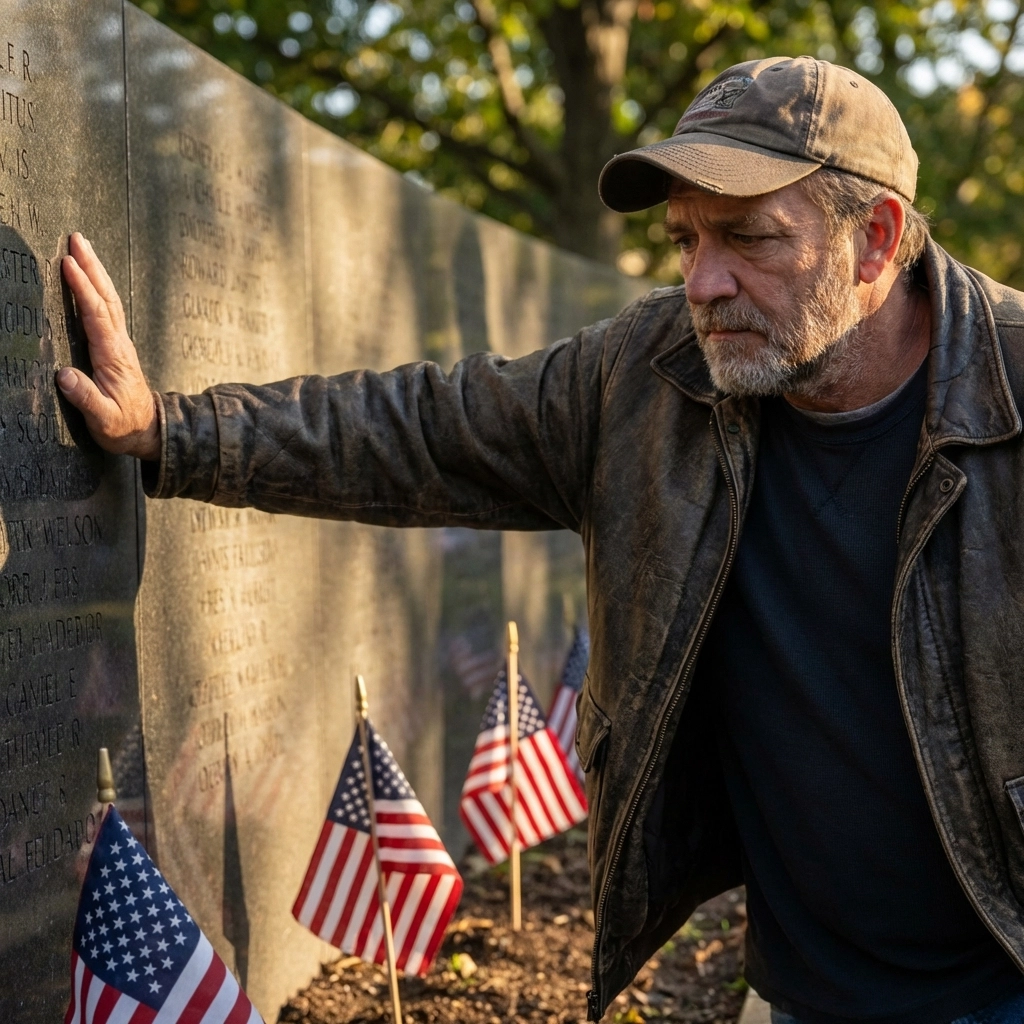
That's where immersive learning comes in. Picture this: you're standing in a virtual recreation of Independence Hall, watching the debates that shaped our nation unfold. Or you're walking through a memorial, hearing firsthand accounts from veterans who carried that flag into places most of us will never go.
Virtual field trips make this possible: not as a replacement for real-world experience, but as a bridge. A way to bring history and symbolism into classrooms, living rooms, and community centers across the country.
At Pledge Allegiance, we've been developing virtual experiences that do exactly this. They're designed to spark curiosity, not just deliver information. To help people of all ages connect with the deeper meaning behind the symbols they see every day.
Because understanding isn't passive. It's active. And the best way to understand something is to experience it.
The Flag in Everyday Life
You don't have to visit a memorial or take a virtual tour to engage with American symbolism. It's all around you.
The flag at your local post office. The one your neighbor flies on Veterans Day. The tiny pin on a firefighter's uniform. Each one carries the same weight: the same promise: as the massive flag flying over the Capitol.
Here's a challenge for you: the next time you pass an American flag, pause for three seconds. Just three. Think about what it represents. Think about the people who fought for it, the communities that rally around it, the future it promises.
That's civic engagement in its simplest form. And it costs you nothing but a moment of attention.
Teaching the Next Generation
If you have kids, grandkids, or students in your life, you have an incredible opportunity right now.
Young people are curious. They ask questions adults have stopped asking. "Why do we stand for the flag?" "What does the pledge actually mean?" "Why does this matter?"
Those questions aren't challenges to patriotism. They're invitations to deepen it.
When you take the time to explore symbolism with a young person, you're not just passing down information. You're passing down values. You're showing them that citizenship isn't a passive status: it's an active responsibility.
Resources like our offerings can help. Virtual field trips, educator toolkits, family discussion guides: they're all designed to make these conversations easier and more engaging. But the most important resource is you. Your stories. Your perspective. Your willingness to engage.
The Conversation Continues
American symbolism isn't frozen in time. It's part of an ongoing conversation: one that includes every citizen, every generation, every community.
That conversation gets messy sometimes. People disagree about what the flag represents, how it should be displayed, what it means to honor it. That's okay. In fact, that's healthy. A democracy thrives on dialogue, not uniformity.
What matters is that we keep having the conversation. That we don't let symbols become empty. That we take the time to understand before we judge, to learn before we dismiss, to engage before we disengage.
The flag belongs to all of us. And so does the responsibility to understand it.

Your Next Step
You've made it this far, which tells me you care about this stuff. That's not nothing. In a world full of distractions, choosing to think deeply about what symbols mean is a quiet act of citizenship.
So here's your invitation: keep exploring. Visit a local memorial. Start a conversation with someone from a different generation. Check out our blog for more resources on civic education and American history. Take a virtual field trip with your family or classroom.
The flag will still be there tomorrow. The question is: will you see it differently?
Because once you understand the symbolism, you can't un-see it. And that's when facing the flag becomes something more than habit.
It becomes an honor.