
Most people think America’s 250th anniversary in 2026 is just going to be another round of fireworks, parades, and backyard barbecues: until they realize we are facing a historic "civic report card" that we might actually be failing.
As we approach the Semiquincentennial, the buzz is building. But beneath the celebratory planning lies a critical question: Do we actually know what we’re celebrating? If you’ve ever felt that our national conversation has become more about shouting than listening, or if you’ve worried that the next generation doesn’t quite "get" why our founding principles matter, you aren’t alone.
In 2026, civic education isn't just a school subject: it is the vital infrastructure of our democracy. At Pledge Allegiance, we believe that the 250th anniversary is the perfect moment to move past the surface-level slogans and dive deep into the heart of what it means to be an American.
The 250-Year Report Card: Where Do We Stand?
Picture this: every firework that goes off on July 4, 2026, represents a year of self-government. That’s a staggering achievement. However, data from the National Assessment of Educational Progress (NAEP) suggests that only about a quarter of our students are proficient in civics. Even more concerning, a study by the US Chamber Foundation highlights that while 90% of Americans believe civic education is important, very few believe we are doing a good job teaching it.
This gap between valuing democracy and understanding how it works is where the danger lies. When we lose our grasp of civic knowledge: the "how" and "why" behind our institutions: we lose the ability to maintain the "living civic promise" of 1776.
Hook into the truth: Civic education is the bridge between commemorating our past and ensuring there is a healthy democracy to celebrate 50, 100, or 250 years from now.
Why 2026 is Different (and Why It Matters to You)
You might be wondering, "Why is everyone so obsessed with 2026?" It's more than just a big number. The Semiquincentennial is serving as a national deadline. It is a catalyst for organizations like America250 and the Center for Civic Education to push for a full-fledged civics movement.
For you: whether you are an educator, a veteran, or a parent: this is your opportunity to lead.
- For Educators: This is the year to transform your classroom into a lab for democracy. Use this milestone to integrate daily civic lessons that go beyond the textbook.
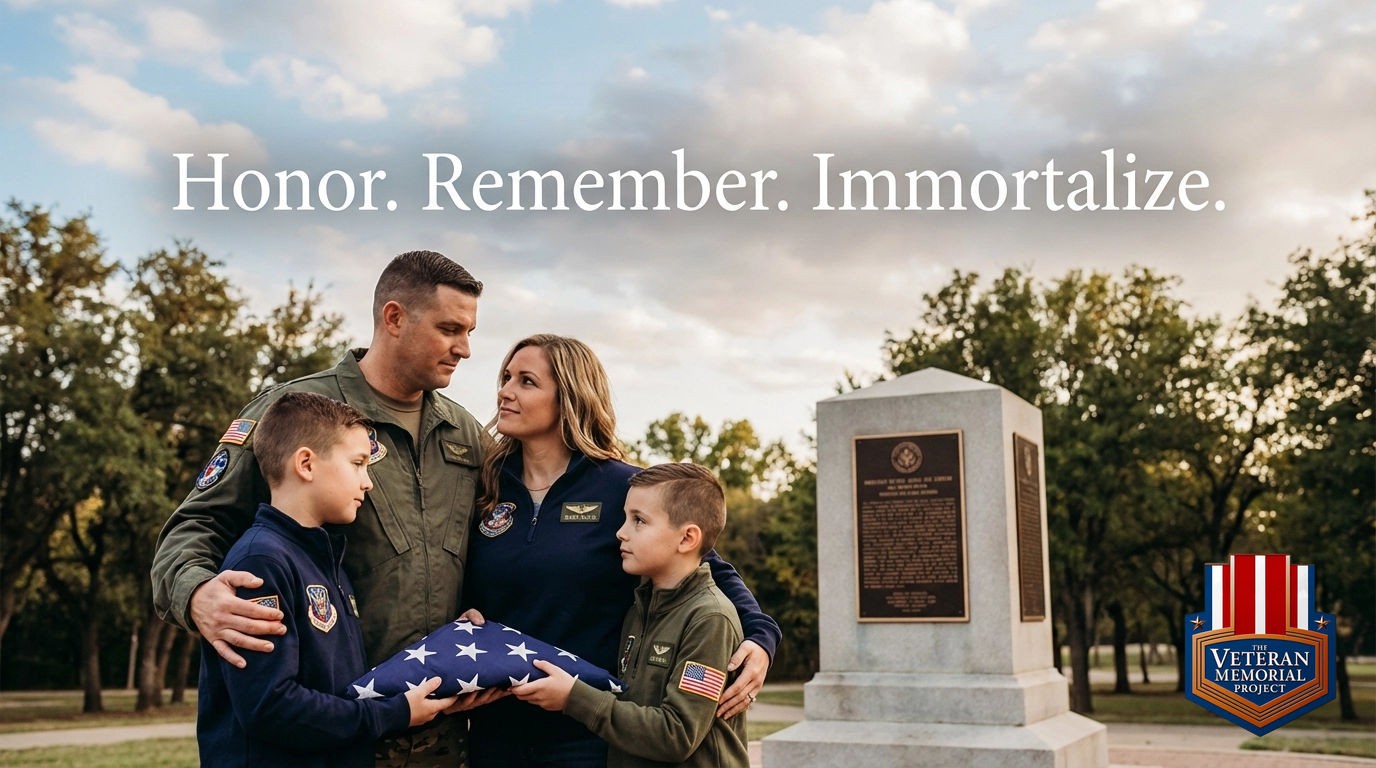
- For Veterans: You have lived the reality of the oath. Your stories are the bridge between historical documents and the modern experience of duty.
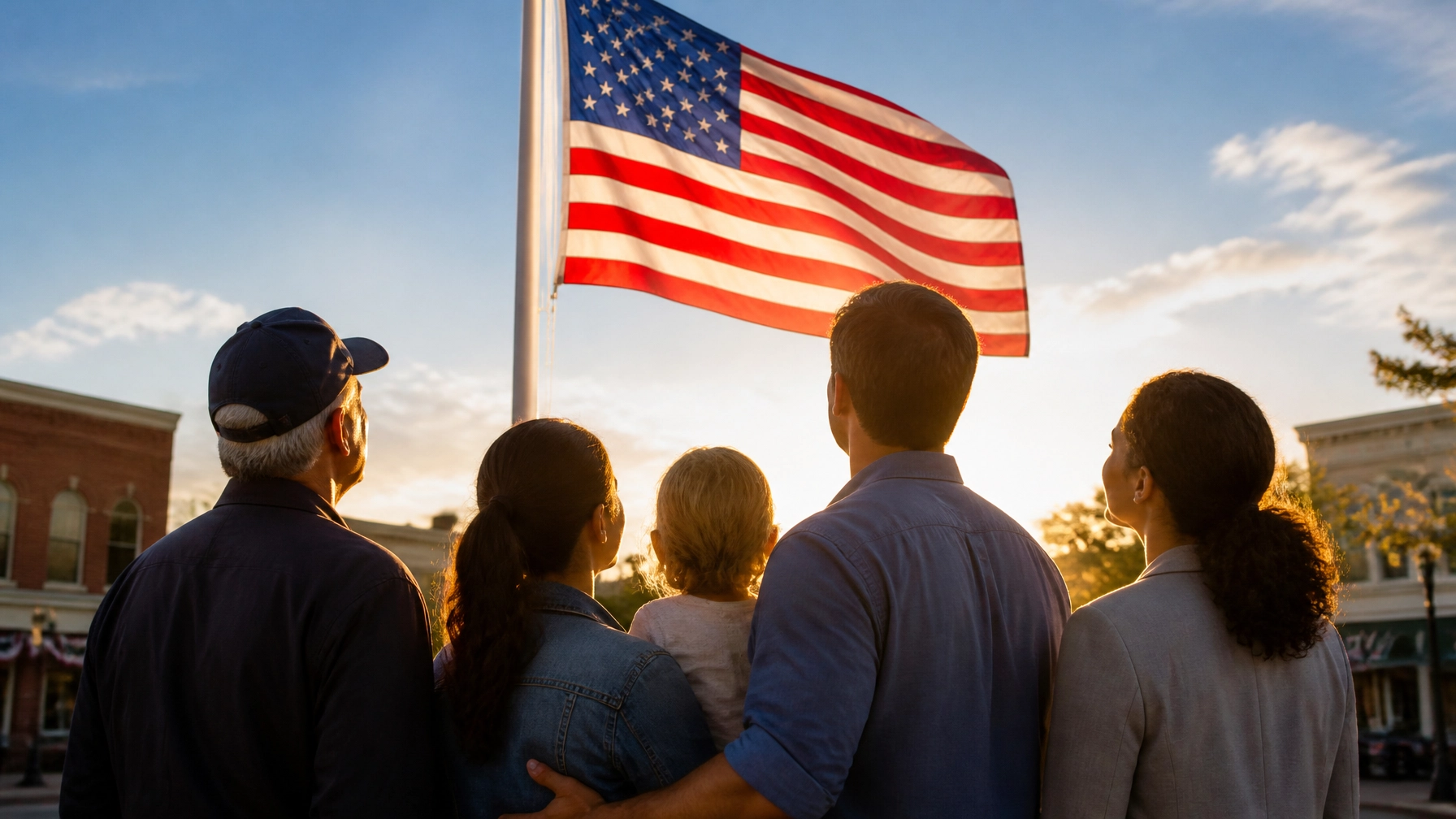
- For Families: This is the time to start a tradition of intentional conversations. Don't let 2026 pass by as just another holiday; make it the year your family truly understands the Pledge.

The Pledge of Allegiance: Your Secret Weapon for Connection
At Pledge Allegiance, we often say that we replace assumptions with actual knowledge. The Pledge is something millions of us recite daily, yet many of us treat it like a background song: something we know by heart but haven't thought about in years.
If you want to spark a genuine civic awakening in your community, start with the Pledge. It is the most accessible tool we have for civic education because it's already a part of our routine. But have you ever paused to break down each phrase?
- "To the Republic for which it stands": What does a republic actually require of us?
- "Indivisible": How do we maintain unity in an era of deep polarization?
- "With liberty and justice for all": How do we continue the work of making this a reality?
By digging into the history and significance of these 31 words, you aren't just reciting a poem: you are reaffirming a contract. We offer educational resources designed to help you facilitate these discussions without the divisive baggage that often plagues modern politics.
Actionable Steps: Preparing for the 250th Today
Don't wait until June 2026 to start thinking about this. The preparation starts now. Here is how you can take action today:
-
Lead with Curiosity, Not Conflict.
When discussing civic duties, start with questions. "What does it mean to you to be a citizen?" instead of "Here is why you are wrong." Use our community dialogue programs to foster respectful environments. -
Support Local Educators.
High school teachers are often treading lightly due to political polarization. Reach out to your local school board and support the inclusion of robust civic engagement programs. Encourage them to use resources that focus on our shared founding ideals. -
Involve the Veterans in Your Life.
Preserving the stories of service members is a cornerstone of our mission. Veterans provide the "human" side of civic duty. Invite a veteran to speak to your class or community group about what the flag means to them. -
Stay Informed Daily.
The world moves fast, and civic knowledge can’t be a "one-and-done" lesson. Many are finding that following a daily civic framework is the secret weapon to staying grounded in the face of divisive media.

Breaking the Cycle of Civic Ignorance
The founders of this country understood a fundamental truth: republics don’t survive on autopilot. They require an informed and active citizenry. As we look toward 2026, we have a choice. We can treat it as a nostalgic look back, or we can use it as a launching pad for the next 250 years.
We have seen what happens when civic education is neglected. Polarization increases, trust in institutions declines, and people feel invisible in their own democracy. But there is a solution: and it starts with you. By taking ownership of your civic education, you become a participant rather than just a spectator.
Outline your impact:
- Educate: Relearn the history you thought you knew.
- Engage: Join community discussions that value civil discourse.
- Empower: Teach the next generation that their voice matters.
The Heart of the Message: A Shared Civic Framework
One of the greatest opportunities of the 250th anniversary is the chance to build a shared framework. We may disagree on policy, but we can agree on the principles found in the Declaration of Independence and the Pledge of Allegiance. These aren't just old pieces of paper; they are the "standard of America’s public philosophy," as noted by the Jack Miller Center.
At Pledge Allegiance, our main USP is that we create spaces for informed civic participation rather than divisive debate. We’ve served millions and funded programs that bridge the gap between "liberty" and "justice." We believe that when you understand the reason behind the tradition, the tradition becomes a powerful force for good.

Final Thoughts: Will You Be Ready?
As 2026 approaches, the question isn't just "Does civic education matter?" The question is: "Will you be part of the solution?"
You have the power to turn a simple anniversary into a national renewal. Whether you’re diving into The Ultimate Guide to Civic Duty or simply taking five minutes to read our daily CEO letters, you are making an investment in the future of our Republic.
The 250th anniversary is coming. Let’s make sure that when the fireworks finally light up the sky, we all know exactly what we’re standing for.
Are you ready to join us? Visit our about page to learn more about how we are preparing America for the milestone of a lifetime.