
Tuesday, August 11, 2026
By Dan Kost, CEO of Pledge Allegiance
Dear friends,
Most people think patriotism is strongest when the flags are flying, the fireworks are breaking across the sky, and the whole country is celebrating together. Then the holiday passes, the decorations come down, and the real question begins: What are you doing to preserve the Republic you inherited?
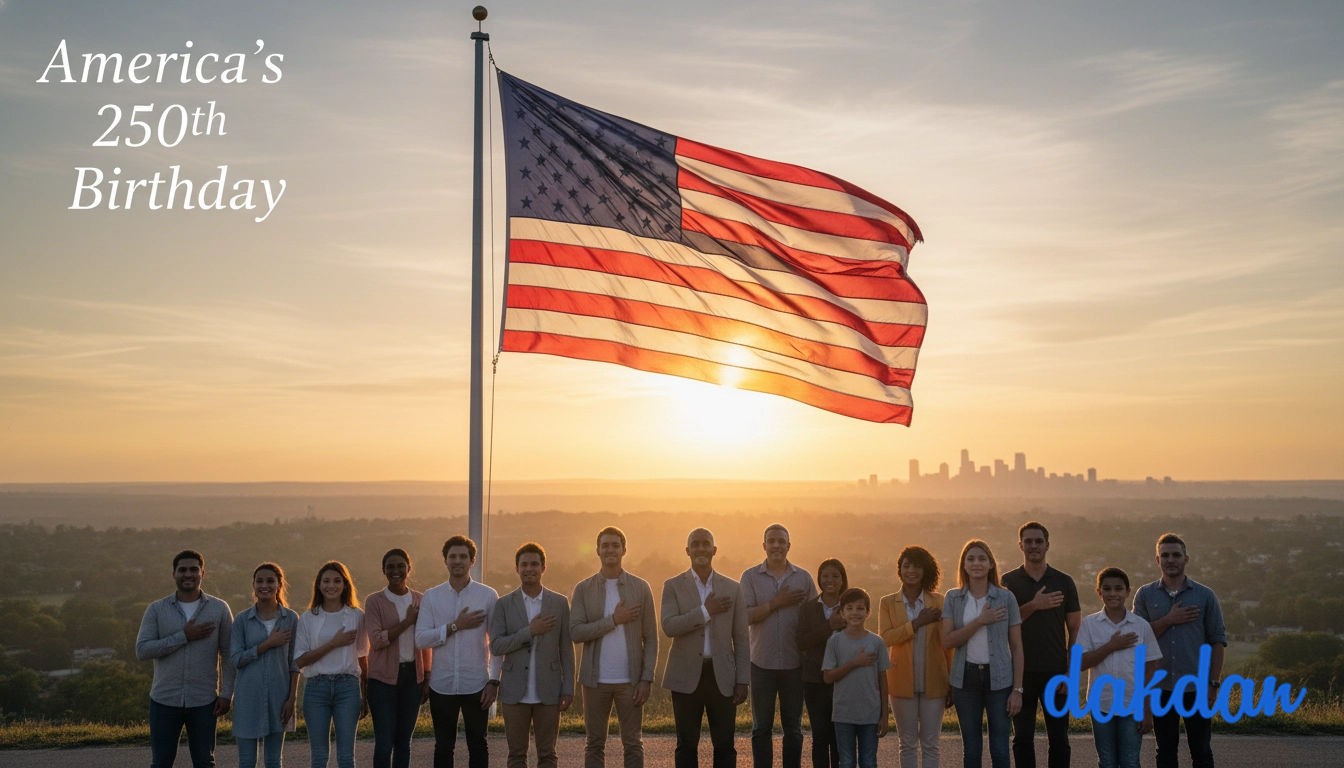
I have been thinking about that question since America’s 250th anniversary celebrations in July. The milestone gave us every reason to celebrate our country’s endurance. It also gave us a responsibility. A birthday is not a finish line. It is a reminder that every generation receives something precious – and must decide what condition it will be in when it passes that inheritance forward.
At Pledge Allegiance, this is the heart of our work. We help you understand the history and meaning behind the Pledge of Allegiance so that a familiar ceremony becomes an informed civic commitment. We believe patriotism grows stronger when it is grounded in knowledge, gratitude, and responsibility.
The Republic Is Handed Down Through Daily Habits
You do not strengthen a republic only through grand speeches or national celebrations. You strengthen it through daily habits.
You tell the truth when exaggeration would be easier. You listen when disagreement becomes uncomfortable. You show up for your school, neighborhood, veterans, family, and community. You learn how American institutions work – then you take seriously your role in improving them.
These actions may seem ordinary. They are not.
A free society depends on people who understand that rights and responsibilities belong together. You have the right to speak, but you also have the responsibility to hear others. You have the right to criticize government, but you also have the responsibility to stay informed. You have the right to disagree, but you must never forget the dignity of the person standing across from you.
That is civic character. It is not flashy. It does not always trend online. But it is powerful enough to hold a diverse nation together.
When I look at the words of the Pledge – one Nation under God, indivisible, with liberty and justice for all – I hear a challenge as much as a statement. The words ask you to consider whether your actions help make those ideals more real for the people around you.
The Pledge Is a Civic Lesson, Not Just a Routine
You may have recited the Pledge thousands of times. That familiarity can be meaningful, but it can also make the words easy to overlook.
The Pledge has a history. Its language has changed over time, reflecting the questions and pressures Americans faced in different eras. The current wording is established in 4 U.S.C. § 4, but its deeper significance lives in the conversation it continues to inspire.
What does allegiance require from you?
What does it mean for a nation to be indivisible while remaining home to millions of people with different backgrounds, beliefs, and opinions?
How do you help advance liberty and justice for all in your own community?
These are not outdated questions. They are leadership questions. They are family questions. They are classroom questions. They are American questions.
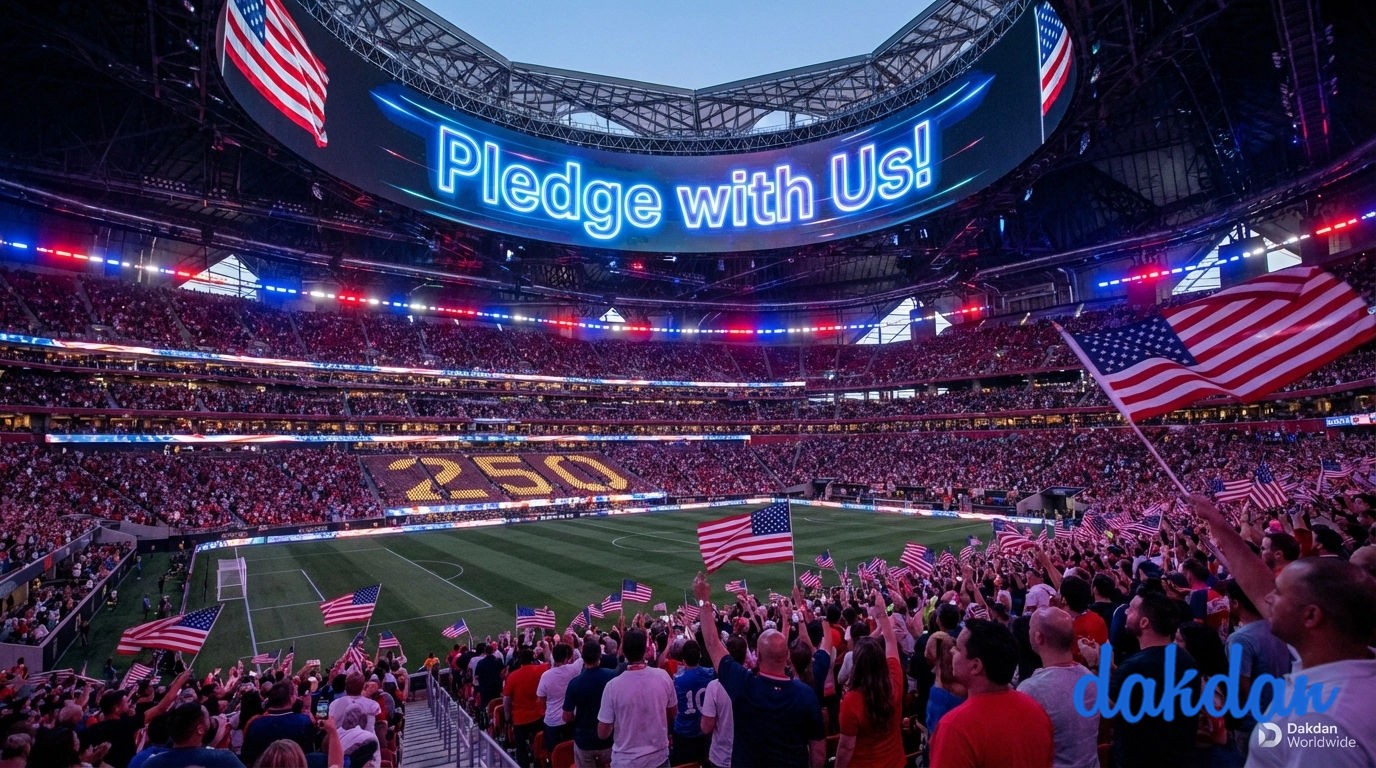
This is why civic education matters. You cannot protect what you do not understand. You cannot improve a system you have never taken the time to study. And you cannot pass down a meaningful tradition if you have never explored the principles beneath it.
Our civic education resources are designed to help educators, families, and community leaders move beyond assumptions. Start with the words. Examine the history. Ask honest questions. Give young people room to think carefully and speak respectfully.
That is how you turn routine into understanding.
Leadership Means Taking Responsibility for the Future
Leadership is often associated with authority – titles, offices, platforms, and public recognition. I see it differently.
Leadership begins when you accept responsibility for what your choices produce.
You lead when you model patience in a tense conversation. You lead when you correct misinformation without humiliating the person who shared it. You lead when you choose service over self-importance. You lead when you understand that your example may influence someone who never tells you they were watching.
As a CEO, I think about this responsibility often. Every organization teaches through its actions. At Pledge Allegiance, we are not simply producing educational materials or discussing a familiar patriotic tradition. We are helping create spaces where Americans can learn, reflect, and participate more thoughtfully in civic life.
That mission requires discipline. It requires consistency. It requires us to remain patriotic without becoming careless, confident without becoming dismissive, and passionate without turning every disagreement into a battle.
Our country does not need less conviction. It needs better-informed conviction.
Honor the People Who Have Carried the Republic
You cannot talk seriously about American civic values without honoring the men and women who have defended them.
Veterans do more than represent a chapter in our national story. They carry living memories of duty, sacrifice, fear, courage, friendship, and loss. When you listen to a veteran describe what service required, the meaning of words like liberty, justice, and allegiance becomes more personal.
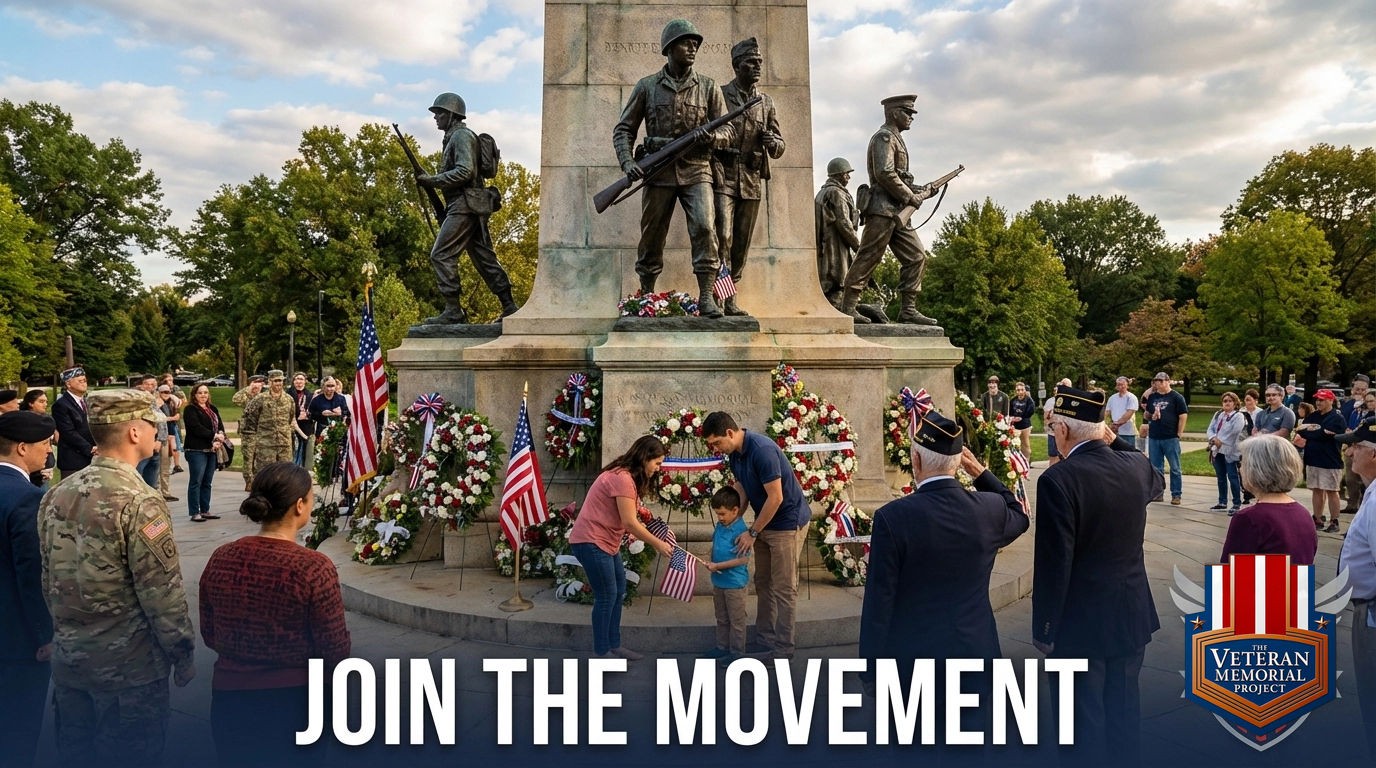
One of the milestones I value most in our work this summer is the continued connection our team is building between veterans, educators, students, and families. The 250th anniversary brought many of us together in celebration. Now, the work is to keep those conversations alive after the banners are packed away.
Ask a veteran in your family or community to share a story. Record it, if they are comfortable. Write it down. Bring it into a classroom or community conversation. Let the next generation understand that national ideals are not preserved by words alone – they are preserved by people who choose to serve them.
Explore our veterans initiatives to learn how this work connects service, remembrance, and civic education.
Civility Is a Form of Patriotism
You do not have to agree with every American to love America.
That may be one of the most important lessons we can carry into the years ahead.
Civility does not mean avoiding hard subjects. It means addressing them with enough courage and self-control to keep the door open for understanding. It means challenging ideas without treating people as enemies. It means remembering that the Republic belongs to all of us – not only to the loudest voices or the people who already agree with you.

Our community dialogue programs are built around that principle. You can discuss the Pledge, patriotism, civic responsibility, and national identity without reducing every conversation to a political contest.
The goal is not uniformity. The goal is informed participation.
You do not honor the phrase one Nation by pretending differences do not exist. You honor it by learning how to live, work, and serve together despite those differences.
Your Assignment for Today
If you want to help strengthen the Republic, begin with one practical action.
- Learn one piece of Pledge history. Read about how its language developed and why those changes matter.
- Start one respectful conversation. Ask someone what “liberty and justice for all” means in your community.
- Thank one veteran. Give them your attention, not just your appreciation.
- Support civic education. Share a reliable resource with a teacher, parent, student, or community leader.
- Choose service. Find one local opportunity through America250’s Get Involved resources or another trusted community organization.
Small actions create civic momentum. Civic momentum creates stronger communities.
What does “the Republic we hand down” mean?
It means the United States you pass to the next generation is shaped by your conduct today. You inherit institutions, traditions, and freedoms – but you also inherit the duty to understand, protect, and improve them.
Why does civic education matter?
Civic education gives you the knowledge to participate responsibly. It helps you understand American history, institutions, rights, responsibilities, and traditions so that your patriotism is informed rather than automatic.
How can you support the mission of Pledge Allegiance?
You can explore our educational offerings, share our resources, participate in community dialogue, honor veteran stories, or support our mission through a donation.
The Republic we hand down will not be measured only by the monuments we preserve or the celebrations we organize. It will be measured by the character we practice when no one is watching.
So stand for something worthy. Learn before you react. Serve where you can. Speak to your fellow Americans with both honesty and respect.
And when you say the Pledge, do not let the words pass over you.
Let them remind you that the Republic is not merely a place you live. It is a responsibility you share.
With gratitude for this country and confidence in its people,
Dan Kost
CEO, Pledge Allegiance