
SEO title: Pledge Allegiance Press Release: August 10, 2026
Suggested URL: https://pledgeallegiance.us/daily-pledge-allegiance-press-release-august-10-2026
Meta description: Read the August 10, 2026 Pledge Allegiance press release: UT’s new civics major, federal education proposals, VA veteran support, and civic updates.
Focus keyword: Pledge Allegiance press release
Secondary keywords: civic education, Pledge of Allegiance meaning, constitutional thought, veterans initiatives, veteran poll workers, civic engagement
Most people think the Pledge of Allegiance is only a morning school tradition – until they see how it connects to higher education, constitutional literacy, veterans support, and active citizenship.
Today’s Pledge Allegiance press release highlights important developments across the nation. The University of Tennessee is launching a new major in Civic and Constitutional Thought. Federal lawmakers are advancing proposals focused on patriotic observances and civic responsibility. The Department of Veterans Affairs continues to support housing stability, employment, and public service for veterans and military families.
Together, these developments reinforce a central truth: civic understanding becomes stronger when you connect history, constitutional principles, service, and participation.
University of Tennessee Launches Civic and Constitutional Thought Major
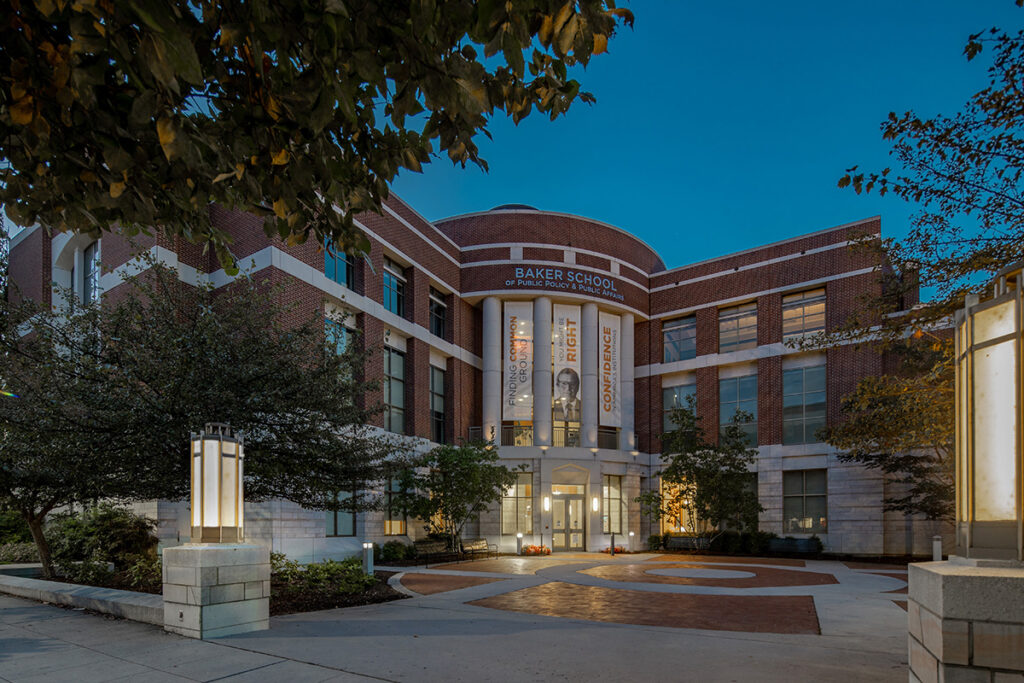
The University of Tennessee, Knoxville is adding a new Bachelor of Arts in Civic and Constitutional Thought beginning in fall 2026.
According to the Institute of American Civics announcement, the program is the Institute’s first undergraduate degree and is housed within the Howard H. Baker Jr. School of Public Policy and Public Affairs. The Tennessee Higher Education Commission and UT Board of Trustees approved the program this summer.
Students will study:
- American political thought
- Constitutionalism
- Political philosophy
- Political economy
- American political development
- Governing institutions
- The ideas and traditions that shape public life
The major is also designed to pair easily with another field of study. That structure gives students in business, education, law, communications, public policy, and other disciplines a practical way to strengthen their civic foundation.
The program emphasizes more than memorizing dates or governmental structures. It develops the ability to:
- Think critically about public questions
- Read closely and evaluate evidence
- Communicate persuasively
- Engage in civil disagreement
- Lead responsibly in a constitutional democracy
That approach reflects the deeper purpose of civic education. You do not build informed citizens through slogans alone. You build them by helping students understand the principles behind American institutions – and giving them the confidence to participate thoughtfully.
The new UT major also complements the work of organizations such as Pledge Allegiance, which provide classroom programs and educational resources that explore the history, language, and meaning of the Pledge.
Civic Education Remains an Active Legislative Priority
The national conversation around civic education continues through several legislative proposals. Two measures receiving attention are Senator Ashley Moody’s PLEDGE Act and Representative Dale Strong’s Promoting American Patriotism in Our Schools Act.
Senator Moody’s PLEDGE Act
Senator Ashley Moody’s Promoting Loyalty, Engagement, Duty, and Gratitude in Education Act, known as the PLEDGE Act, is Senate Bill 5147 in the 119th Congress.
The official congressional record identifies the bill as a proposal concerning patriotic observances in elementary and secondary schools in the District of Columbia.
The bill would require covered schools to:
- Provide time at the beginning of each school day for students to recite the Pledge of Allegiance
- Display the United States flag in classrooms
- Encourage daily awareness of civic responsibilities and national symbols
The bill was introduced on July 28, 2026, and referred to the Senate Committee on Homeland Security and Governmental Affairs. It remains at the introduced stage. It has not become law.
That distinction matters. You can follow a legislative proposal with patriotism and care while still evaluating its scope, status, and constitutional implications accurately.
Representative Strong’s Promoting American Patriotism in Our Schools Act
Representative Dale Strong’s Promoting American Patriotism in Our Schools Act is H.R. 1351. The official House bill record shows that the measure was introduced in the 119th Congress and referred to the House Committee on Education and Workforce.
The proposal would amend the Elementary and Secondary Education Act to address patriotic observances in certain federally funded elementary and secondary schools. Its provisions include:
- Daily recitation of the Pledge of Allegiance
- Prominent display of the American flag in classrooms and gymnasiums
- Instruction about the history, significance, and proper display of the flag
- Annual compliance certification by local education agencies
- Individual student protections allowing students to abstain for religious or personal reasons
Like the PLEDGE Act, H.R. 1351 remains a proposal rather than enacted law. You should review the official bill text and status before drawing conclusions about implementation.
These measures also highlight an important educational responsibility: teaching students not only to recite the Pledge, but to understand the words “liberty and justice for all.” Civic learning is strongest when schools create room for historical context, constitutional principles, respectful questions, and informed participation.
Veterans Initiatives Connect Service With Stability and Citizenship
Veterans remain central to the civic story because they demonstrate how public ideals become personal commitments. Supporting veterans means honoring service while also addressing practical needs.
VA Shallow Subsidy Program Supports Veteran Housing
The Department of Veterans Affairs expanded its Shallow Subsidy rental assistance initiative through a $200 million award to 238 nonprofit organizations across the United States and its territories.
The VA announcement explains that the program supports extremely low-income and very low-income Veteran households eligible for the Supportive Services for Veteran Families program.
The initiative:
- Provides rental assistance for up to two years
- Sends payments directly to landlords
- Supports Veterans experiencing homelessness or at risk of homelessness
- Operates in every state, the District of Columbia, Puerto Rico, the U.S. Virgin Islands, and Guam
- Covers 35% of eligible rent under the expanded initiative
The VA announcement is dated August 25, 2021, but the program remains an important reference point for understanding federal support for Veteran housing stability. You can review current resources through the VA homeless programs office.
Stable housing gives Veterans a stronger foundation for employment, education, family life, and continued community participation. That is civic support in action.
VA Hiring Resources Offer New Employment Opportunities
The VA’s latest “Hiring Veterans: Jobs of the week” resource for August 10, 2026 provides current employment information for Veterans.
Employment resources are a vital part of the transition from military service to civilian opportunity. As you support a Veteran in your family or community, encourage them to review official listings, update their résumé, and use verified VA and federal employment resources.
Vet the Vote Invites Veterans to Continue Serving
The Vet the Vote campaign is calling on Veterans and military family members to serve as poll workers in the 2026 elections and beyond.
According to VA News, the nonpartisan initiative aims to recruit 250,000 Veterans and military family members. More than 165,000 individuals had already stepped forward by July 2026.
Poll workers help communities by:
- Opening and closing polling locations
- Checking in voters
- Safeguarding ballots
- Supporting orderly and accessible elections
- Reconciling vote counts
You can learn more or become a poll worker through Vet the Vote. This opportunity gives Veterans another way to honor their service – through trustworthy, local participation in American democracy.

Community and School Milestones Worth Celebrating
Civic progress does not happen only in statehouses, universities, or federal agencies. It happens wherever people choose to learn, listen, serve, and participate.
This month’s milestones include:
- A major university creating a dedicated pathway for constitutional and civic study
- Federal lawmakers debating how schools should approach patriotic observances
- VA-supported organizations helping Veterans remain safely housed
- Veterans and military families preparing to serve as poll workers
- Educators using historical resources to move students beyond rote recitation
- Communities creating space for civil dialogue about civic responsibilities
You can bring these ideas into your own school or community by taking three practical steps:
- Teach the context. Help students examine the history and meaning behind each phrase of the Pledge.
- Invite lived experience. Connect classrooms with Veterans who can explain how service shaped their understanding of allegiance, liberty, and responsibility.
- Turn learning into action. Encourage students and families to participate in community service, local dialogue, election support, and respectful civic discussion.
Pledge Allegiance supports this work through veteran classroom initiatives, classroom materials, community dialogues, and educational programs.

Frequently Asked Questions
What is the main update in today’s Pledge Allegiance press release?
The main updates include UT Knoxville’s new Civic and Constitutional Thought major, ongoing federal proposals concerning patriotic observances in schools, Veteran housing and employment resources, and the Vet the Vote poll worker campaign.
Has the PLEDGE Act become law?
No. Senator Moody’s PLEDGE Act, S.5147, remains an introduced bill referred to committee.
Has Representative Strong’s school patriotism bill become law?
No. H.R. 1351 remains an introduced bill pending in the House Committee on Education and Workforce.
How can Veterans support elections?
Veterans and military family members can visit Vet the Vote to learn about becoming trained, nonpartisan poll workers in their local jurisdictions.
How can educators deepen the meaning of the Pledge?
Start with historical context, invite respectful questions, connect the words to constitutional principles, and use Veteran stories to show how civic ideals influence real lives.
A Call to Informed Citizenship
The Pledge of Allegiance carries lasting meaning when you understand what you are saying and why it matters. Today’s developments show that civic education reaches far beyond a daily recitation.
It lives in a university classroom studying constitutional thought. It appears in a school discussion about liberty and justice. It takes shape when a nonprofit helps a Veteran remain housed. It stands behind the poll worker who helps neighbors participate in an election.
Learn the history. Honor service. Ask thoughtful questions. Serve your community.
That is how you transform the Pledge from a routine into a living commitment to the United States and to one another.