
What if everything you’ve been told about teaching the Pledge of Allegiance is wrong?
Most people think that patriotic education is just about rote memorization: having a room full of students stand up, place their hands over their hearts, and mumble words they don’t quite understand until the bell rings. We’ve all seen it. We’ve all probably done it. But here at Pledge Allegiance, we realized something a long time ago: if you don’t understand the why and the how behind the words, the ritual eventually loses its soul.
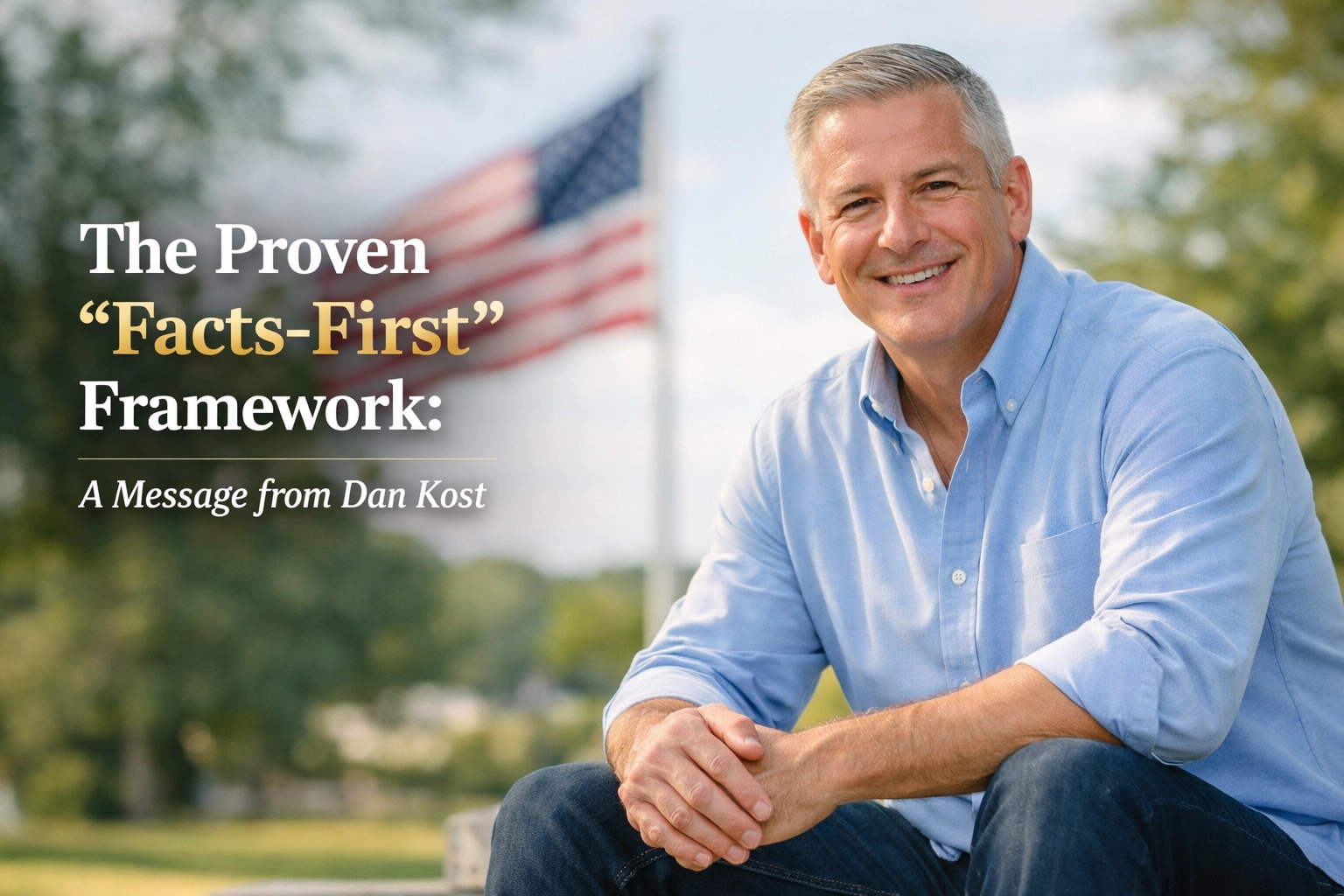
I’m Dan Kost, CEO of Pledge Allegiance, and today I want to pull back the curtain on how we are changing the game. We’ve developed what we call the 'Facts-First' Framework. It’s not about telling people what to think; it’s about giving them the historical and linguistic tools to understand what they are saying.
It’s time to move past the recital and start building a foundation of true civic literacy.
Why the 'Facts-First' Framework Matters Right Now
Let’s be honest: we are living in noisy, divided times. It feels like every symbol of our nation is a battleground. But when we strip away the social media noise and the political posturing, we are left with a set of documents and a set of promises that define who we are as Americans.
The 'Facts-First' Framework is our solution to the "Recital Rut." We use a data-driven, historical approach to ensure that when a student says "indivisible," they aren’t just making a sound: they are making a connection to the history of a nation that survived a Civil War.
1. The Historical Grounding: Context is King
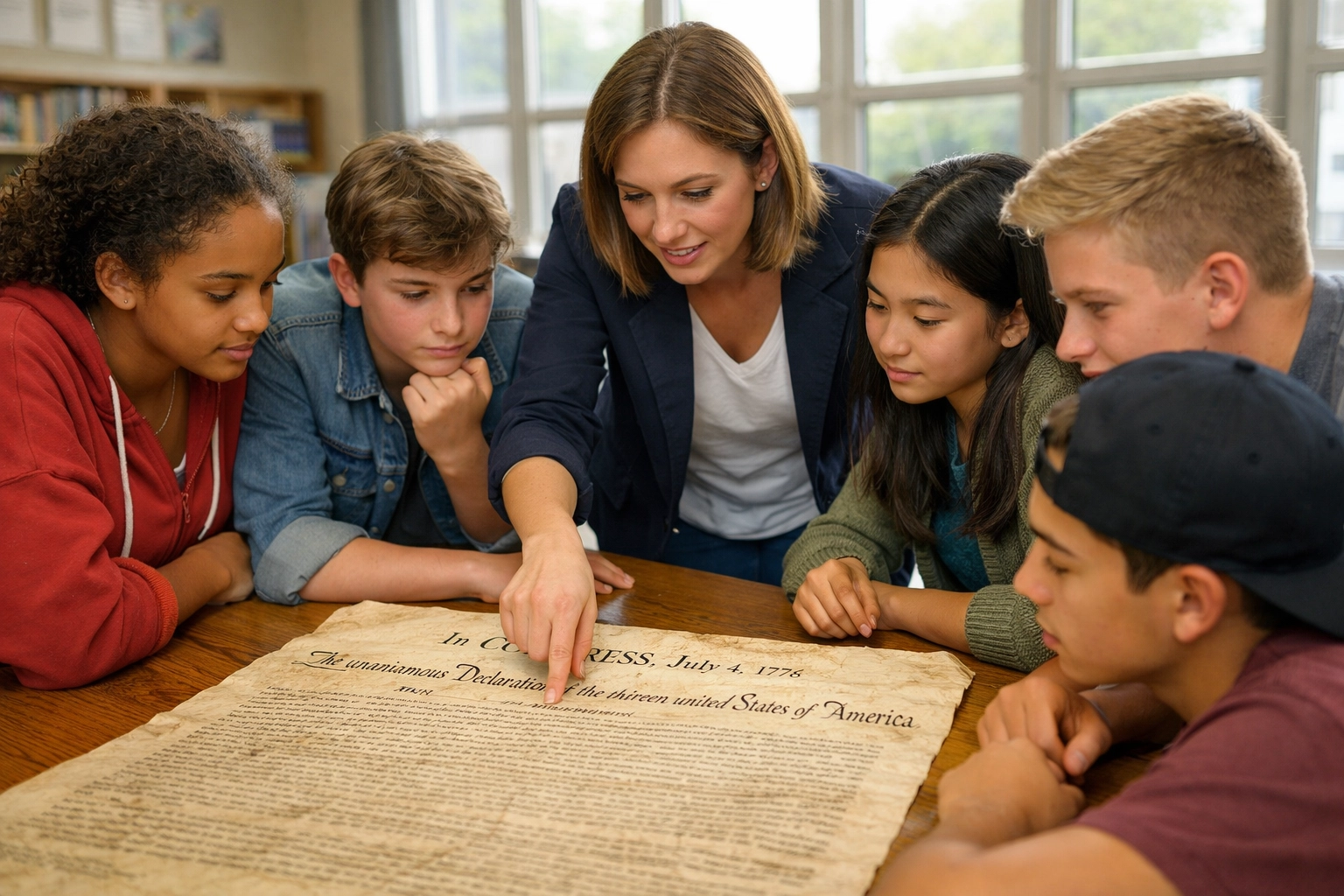
You can’t appreciate the present if you’re blind to the past. The first pillar of our framework is Contextual History. Most people don’t realize the Pledge has changed over time. Did you know it was originally written in 1892? Or that the phrase "under God" wasn't added until 1954 during the Cold War?
We don't shy away from these facts. In fact, we lean into them. By teaching the evolution of the Pledge, we show students that the American story is a living, breathing narrative. We use our digital resources to illuminate the debate around these changes, allowing students to see the "data" of history for themselves. When you lead with facts, you remove the fear of "indoctrination" and replace it with the power of education.
2. Radical Vocabulary: Defining Our Terms
The second pillar of the 'Facts-First' Framework is Linguistic Clarity. Words like "Republic," "Liberty," and "Justice" are heavy. They carry the weight of centuries. If a student can’t define a "Republic," how can they pledge allegiance to one?
We break these words down into digestible, actionable concepts.
- Republic: A state in which supreme power is held by the people and their elected representatives.
- Liberty: The state of being free within society from oppressive restrictions.
- Justice: Just behavior or treatment.
By focusing on these definitions, we create a "Facts-First" environment where students realize that "Liberty and Justice for All" isn't just a flowery ending: it’s a call to action. We’ve seen this click in classrooms across the country through our classroom kits that make it click.
Moving from 'Gut Feeling' to Strategic Education
In my years leading organizations, I’ve learned that you can’t manage what you don’t measure. In the world of business, we move away from "gut feelings" toward strategic decisions based on actual performance data. Civic education should be no different.
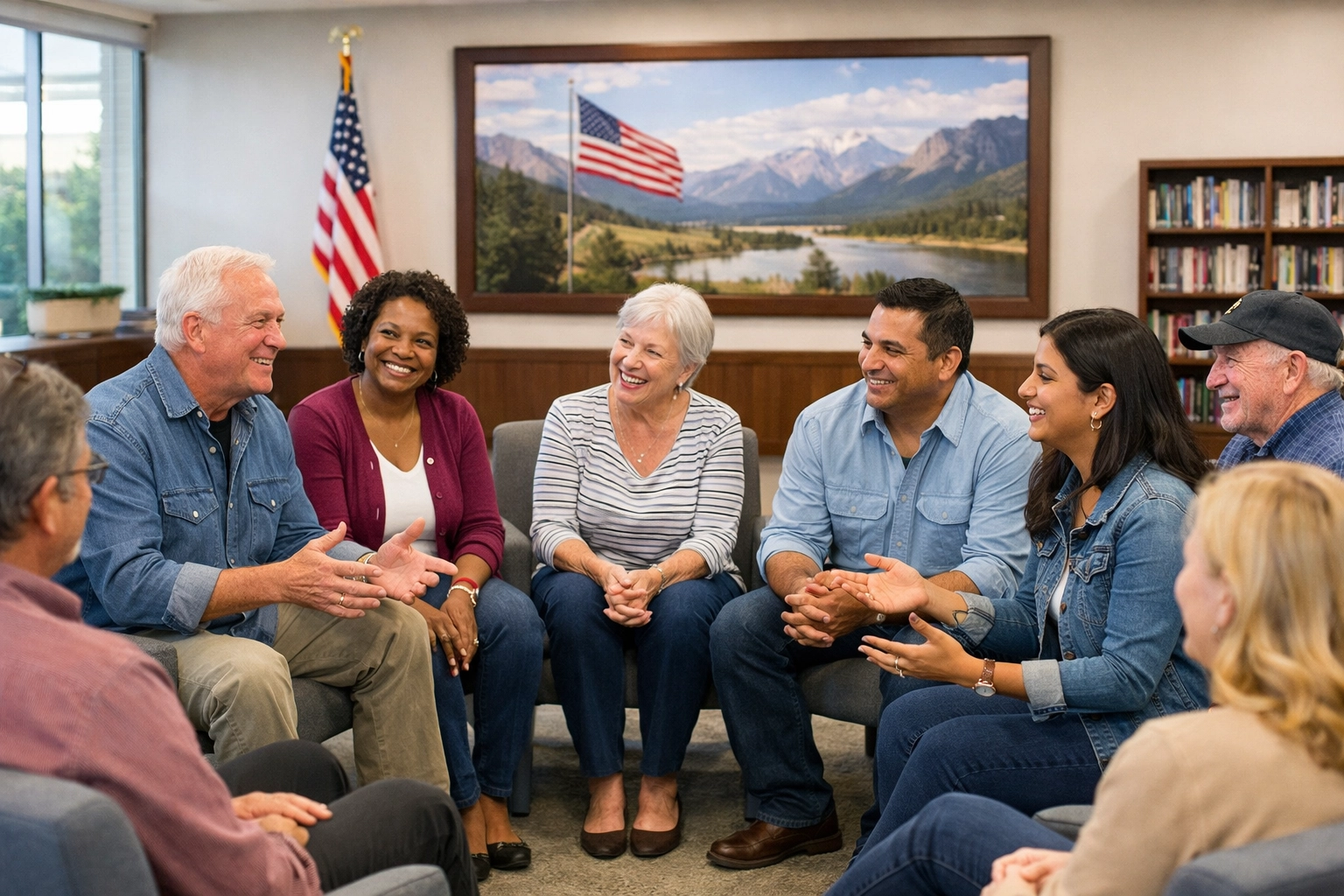
The 'Facts-First' Framework is designed to be measurable. We look at how students engage with the material. Are they asking better questions? Are they able to lead civil discussions? We’ve found that when you provide a neutral, fact-based starting point, the quality of community dialogue skyrockets.

3. The 'Why' Behind the Stand: Civic Responsibility
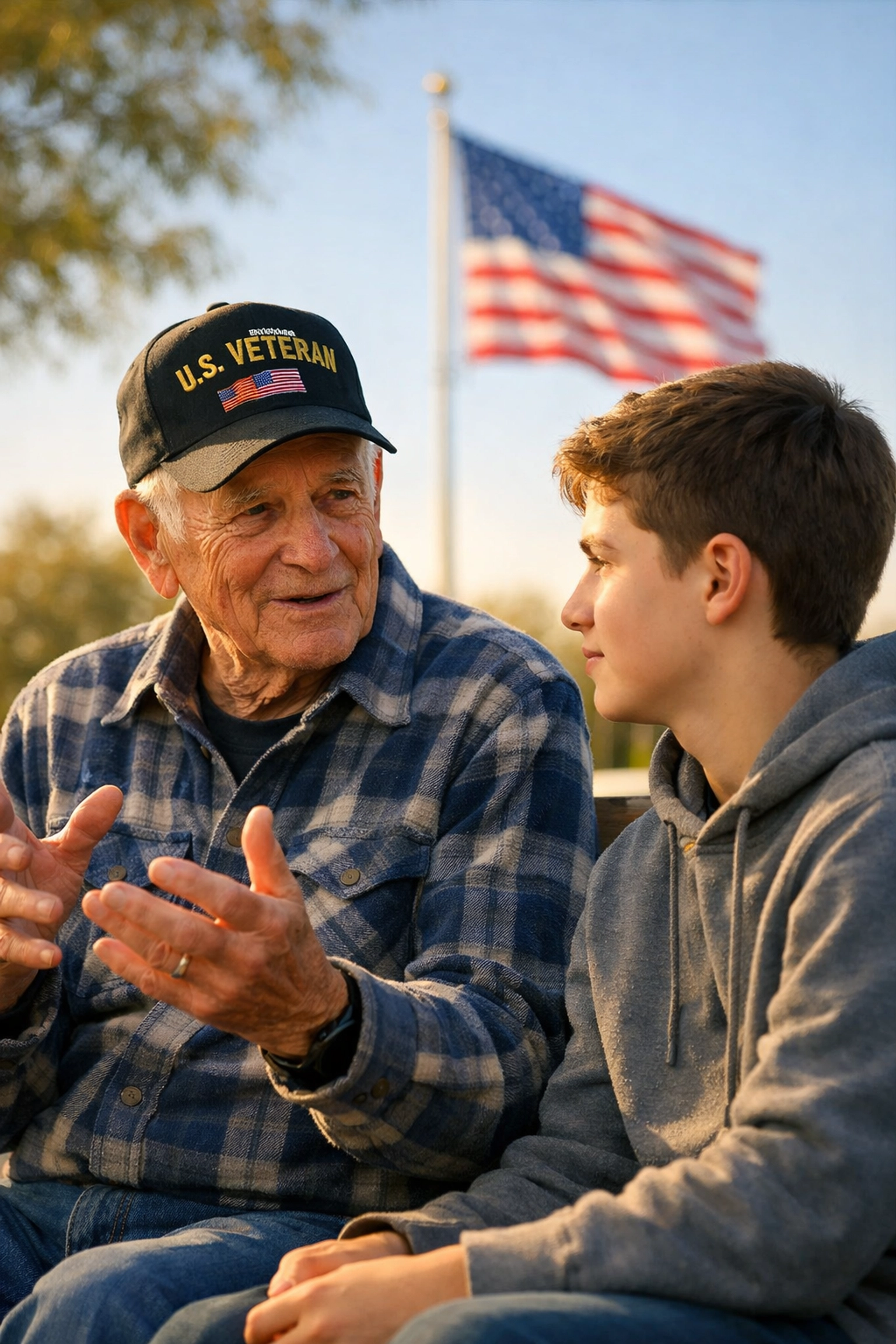
Most veterans will tell you that they didn't serve for a piece of cloth: they served for the ideas that the cloth represents. The third pillar of our framework is Connecting to Service.
We bring in the voices of those who have lived the Pledge. Our veteran guest speakers bring the Pledge to life by sharing their real-world data points of sacrifice. It’s one thing to read about "Allegiance" in a textbook; it’s another to hear a veteran describe what it feels like to stand guard in a foreign land. This is the ultimate "Facts-First" lesson: the reality of the cost of freedom.
How You Can Implement the Framework Today
You don’t have to be a history professor to use this framework. Whether you are a parent at the dinner table or a teacher in homeroom, you can start using these principles right now.
Hook them with history. Start a conversation by asking, "Do you know who wrote the Pledge?" (Hint: It was Francis Bellamy).
Address the hard questions. Don't be afraid of the "Under God" debate or the legalities of the Pledge. In fact, we have a great resource on what the law actually says about forcing students to say the Pledge.
Outline the responsibilities. Remind your kids or students that being an American is a job. It requires participation, knowledge, and a commitment to the truth.
If you’re looking for a structured way to bring this into your school or home, I highly recommend checking out our educator toolkit for creative ways to teach the Pledge. It’s packed with the "Facts-First" logic that makes civic education stick.
The One Thing They Never Tell You About Viral Patriotism
The secret to a patriotic movement that lasts isn't about being the loudest voice in the room. It’s about being the most grounded. Viral trends come and go, but the foundational facts of our Republic are "indivisible."
At Pledge Allegiance, our goal is to build a brand of patriotism that is smart, inclusive, and unshakeable. We aren't interested in the 24-hour news cycle; we are interested in the next 250 years of the American experiment. That’s why we’re pushing for 100% engagement in our Storykeeper program, which helps families archive their own patriotic histories.

Final Thoughts: Join the Mission
I believe that the 'Facts-First' Framework is the key to unlocking a new era of American unity. By focusing on what is true, what is historical, and what is measurable, we can move past the division and get back to the work of being "one nation."
But we can't do this alone. We are a non-profit, and our ability to get these kits into classrooms and these veterans onto stages depends on supporters like you.
If you believe in a facts-first approach to our national heritage, I’m asking you to join us.
– Support the cause: Consider making a donation to help us reach more schools.
– Show your pride: Grab a bumper sticker for 250 years of patriotism and spark a conversation in your own neighborhood.
– Educate your community: Host one of our community dialogue nights to practice leading civil discussions.
Let’s stop mumbling the words. Let’s start understanding them. Let’s put the facts first and watch as our shared love for this country grows stronger, clearer, and more resilient than ever before.
Stay bold, stay informed, and as always: stay patriotic.
Dan Kost
CEO, Pledge Allegiance