
What if everything you've been told about reaching teens on civic responsibility is wrong?
Most educators and parents think civic engagement is a tough sell to teenagers. They assume young people tune out the moment words like "duty," "citizenship," or "responsibility" enter the conversation. But here's the truth: teens are hungry for meaning. They want to understand their place in the world. And sometimes, the conversation starter is hiding in plain sight.
It's thirty-one words they've heard since kindergarten: the Pledge of Allegiance.
Why the Pledge Is the Perfect Conversation Starter
You might think the Pledge is just a morning ritual: something students mumble through before first period. But when you slow down and actually unpack those words with a teenager, something shifts. Suddenly, abstract concepts like liberty, justice, and unity become real. They become personal.
The Pledge isn't just a recitation. It's a doorway into deeper discussions about what it means to be an American citizen, what responsibilities come with that identity, and how young people can actively participate in shaping their communities.
Think about it. When a teen asks, "Why do we say 'indivisible'?" or "What does 'justice for all' actually look like?": that's not rebellion. That's engagement. That's the beginning of civic responsibility taking root.

The Civic Engagement Gap Among Teens
Here's a reality check: studies consistently show that young Americans struggle with basic civic knowledge. Many can't name the three branches of government. Fewer still understand how local elections impact their daily lives.
But knowledge isn't the only gap. There's an engagement gap too.
Teens today are bombarded with information, opinions, and hot takes from every direction. What they often lack is a structured space to process these ideas: to ask questions without judgment and explore what citizenship means to them personally.
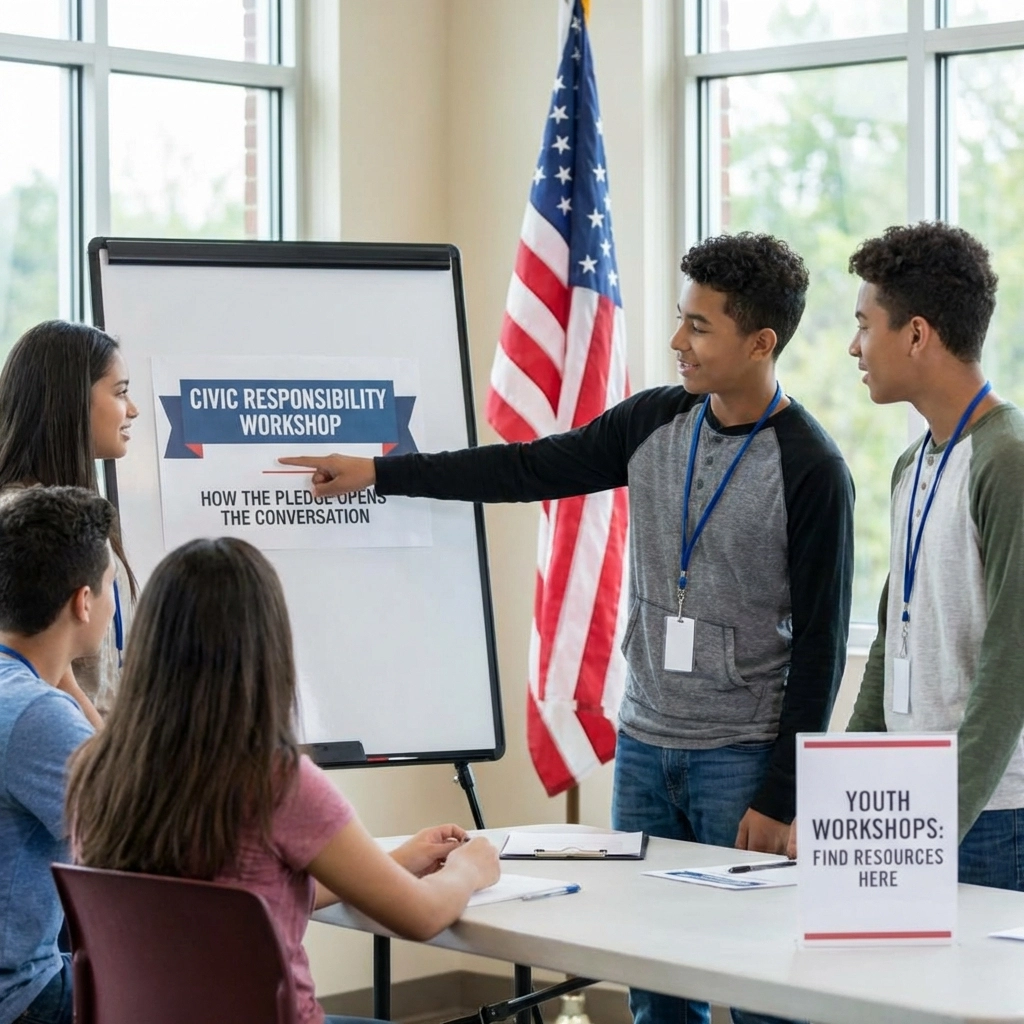
This is where intentional programming makes all the difference. Youth workshops designed around civic themes give teenagers the framework they need to move from passive observers to active participants in democracy.
How Youth Workshops Transform Understanding
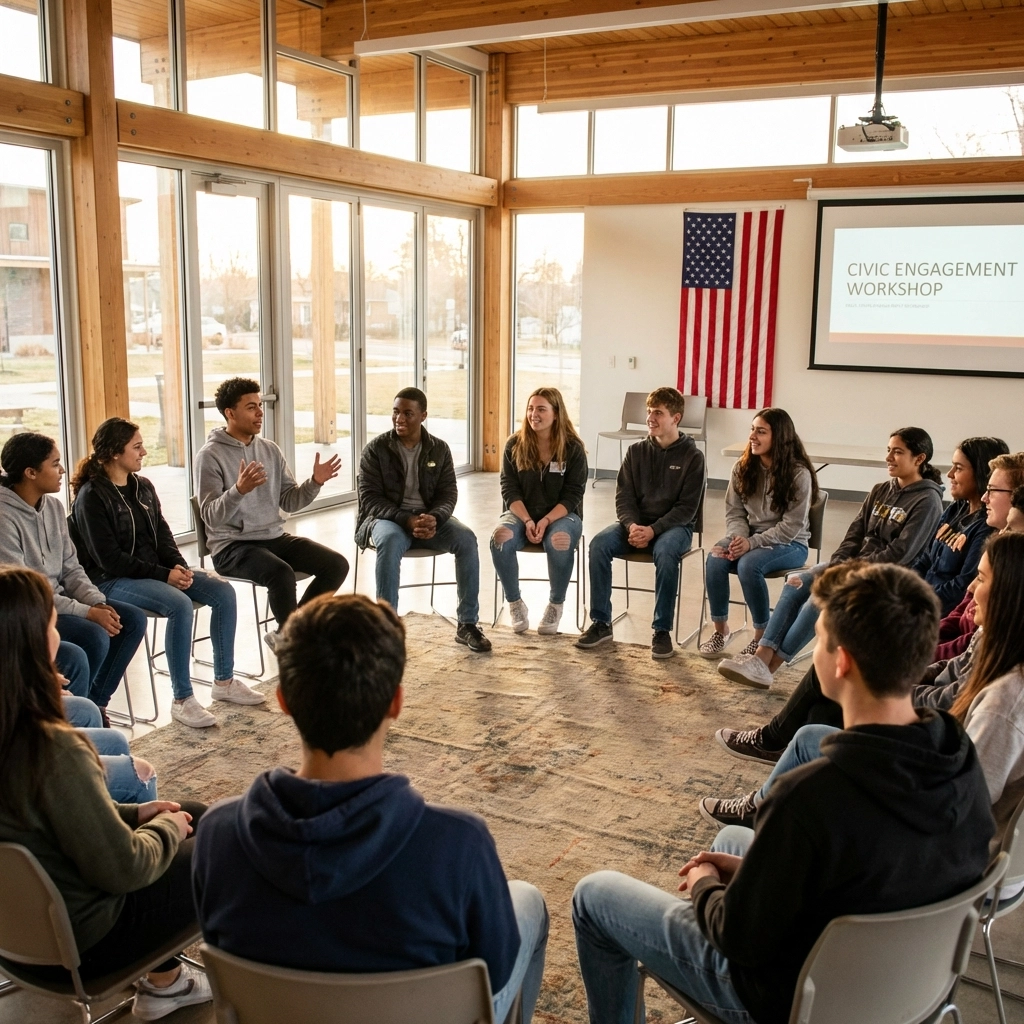
Picture this: a room full of high schoolers actually debating the meaning of "liberty" without checking their phones. Now what if I told you it happens more often than you'd think?
The best youth workshops don't lecture. They facilitate. They create environments where teens can:
- Ask uncomfortable questions about history, policy, and national identity
- Hear diverse perspectives from peers, educators, and community leaders
- Practice civic skills like respectful debate, consensus-building, and advocacy
- Connect abstract principles to real-world issues they care about
When workshops use the Pledge as a launching point, every line becomes a mini-lesson. "One nation" sparks conversations about unity amid division. "Under God" opens dialogue about religious freedom and secular governance. "With liberty and justice for all" invites critical thinking about whether that promise has been kept: and what role young citizens play in fulfilling it.
What Makes an Effective Youth Civic Workshop?
Not all programs are created equal. The most impactful workshops share several key characteristics that keep teens engaged and learning.
Interactive, Not Passive
Forget the PowerPoint marathons. Effective civic workshops get teens moving, talking, and doing. Mock elections, community mapping exercises, and role-playing scenarios transform abstract concepts into lived experiences.
Relevant to Their World
Teens tune out when content feels disconnected from their reality. Smart facilitators link civic principles to issues young people already care about: climate action, social justice, economic opportunity, digital privacy. The Pledge becomes a lens for examining these contemporary concerns through a historical and philosophical framework.
Led by Credible Voices
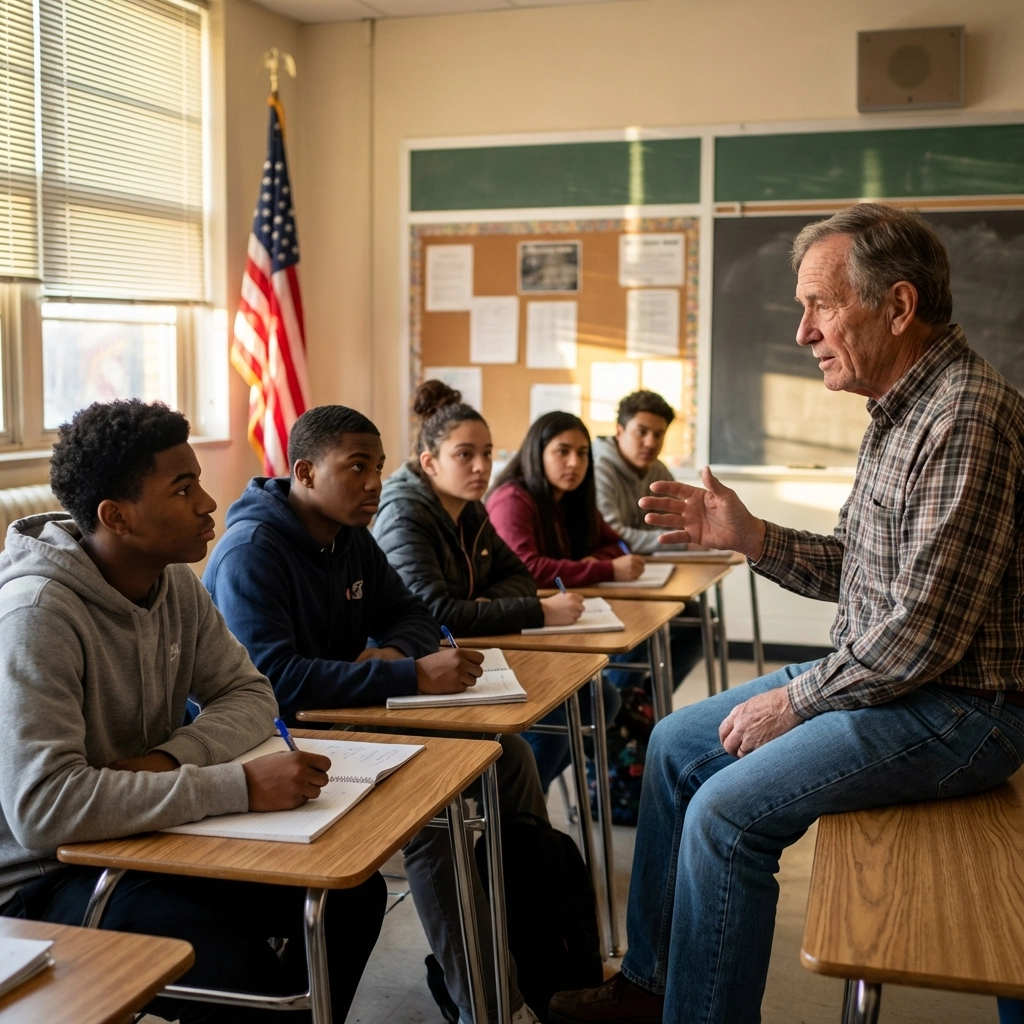
Whether it's a veteran sharing why they served, an elected official explaining local government, or a peer mentor who's already taking civic action: the messenger matters. Teens respond to authenticity and lived experience.
Action-Oriented Outcomes
The best workshops don't end with "now you know more." They end with "now go do something." Service projects, voter registration drives, community dialogues, letters to representatives: these concrete actions transform learning into lasting civic habits.
Where to Find Quality Youth Workshops in 2026
If you're a parent, educator, or community leader looking to connect teens with civic education opportunities, you've got options. The landscape of youth civic programming is richer than ever.
National Summits and Conferences
Events like the National Youth Civics Summit bring students together from across the country for immersive experiences in Washington, D.C. Participants engage directly with political leaders, explore major institutions, and build networks with like-minded peers.
Community-Based Programs
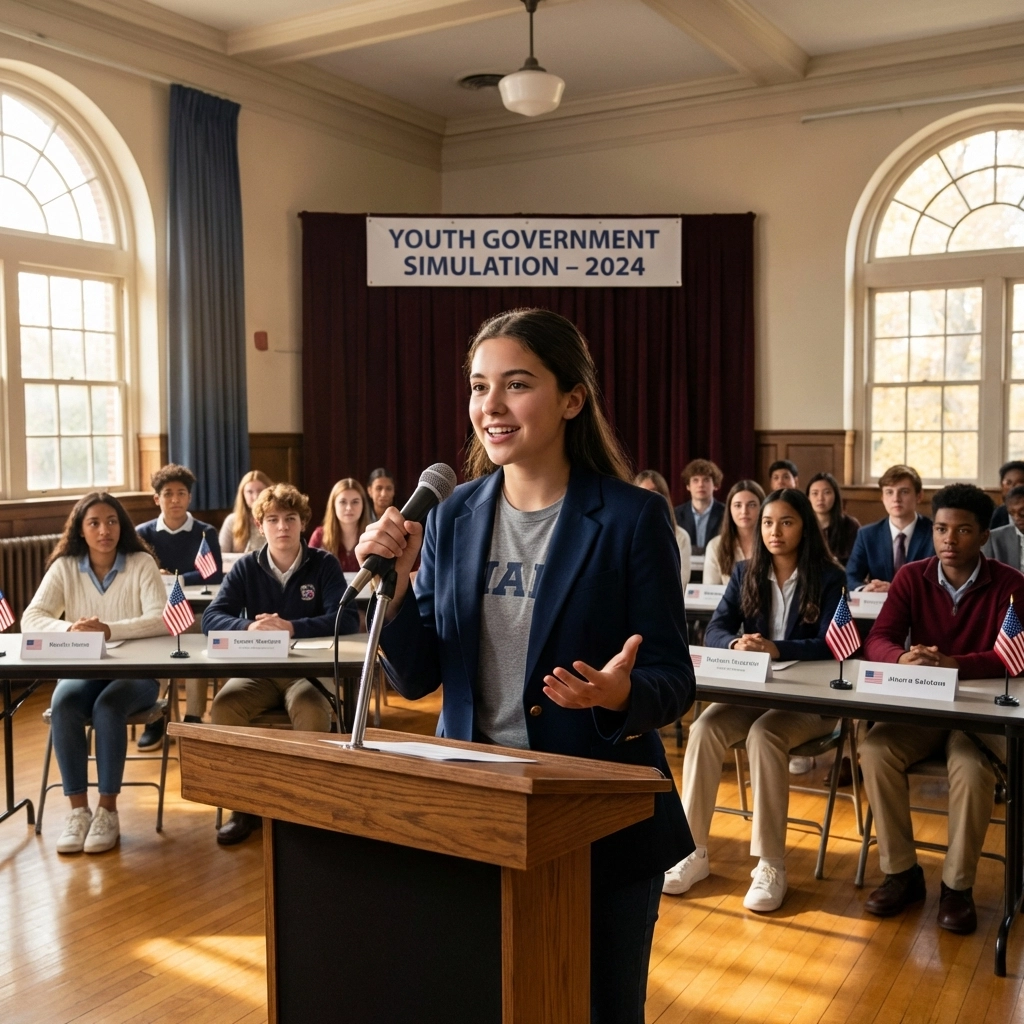
Organizations like 4-H offer tracks specifically designed for civic engagement, teaching teens everything from social entrepreneurship to understanding the democratic process. YMCA Youth & Government programs take it further with mock legislation, debate, and state conference experiences.
Local Initiatives
Many communities host monthly civic youth leadership programs where middle and high schoolers learn from elected officials, participate in service projects, and develop their own civic voice.
How Pledge Allegiance Supports Teen Civic Education
At Pledge Allegiance, we believe civic education shouldn't be boring: and it definitely shouldn't be optional. That's why we've developed youth workshop resources designed to spark exactly these kinds of conversations.
Our approach meets teens where they are. We use the familiar framework of the Pledge to explore unfamiliar territory: the history behind the words, the debates that shaped them, and the ongoing work of building a more perfect union.
Whether you're looking for classroom materials, community workshop guides, or connections to our broader network of civic educators, we're here to help. Check out our offerings to see how we can support your efforts to raise engaged, informed, patriotic young citizens.
Getting Started: Tips for Parents and Educators
Ready to open the civic conversation with the teens in your life? Here are practical steps you can take today.
Start Small
You don't need a formal workshop to begin. Next time the Pledge comes up: at a sporting event, a school assembly, or even in a movie: ask your teen what they think about it. Listen without correcting. Let curiosity lead.
Create Safe Spaces for Disagreement
Civic responsibility includes the ability to disagree respectfully. Model this by welcoming different viewpoints and demonstrating how to engage with ideas you don't share.
Connect to Current Events
When news stories touch on themes from the Pledge: unity, justice, freedom: use them as teaching moments. Ask your teen how they'd apply those principles to the situation.
Seek Out Structured Opportunities
Look for youth workshops, civic programs, and community events in your area. A single positive experience can ignite a lifetime of engagement.
The Stakes Are Higher Than You Think
In 7 days, your teen could shift from indifferent to invested. In a few months, they could be leading civic initiatives in their school or community. The trajectory of their engagement often hinges on a single conversation, a single experience, a single moment when someone took the time to connect abstract principles to their concrete world.
The Pledge of Allegiance isn't just words. It's an invitation: an invitation to belong, to question, to participate, and ultimately to lead.
Your job isn't to have all the answers. It's to open the door and walk through it alongside them.
Ready to take the next step? Explore resources, find workshops, and join a community dedicated to raising the next generation of engaged American citizens at Pledge Allegiance. Because civic responsibility isn't inherited: it's taught, modeled, and practiced.
And it starts with a conversation.