
Most people think that showing up to a Fourth of July parade and wearing a flag pin is enough to keep the American spirit alive. We love the fireworks and the barbecue, but when it comes to passing the torch of liberty to the next generation, we’re often dropping the ball.
In just a few months, we’ll be celebrating America’s 250th anniversary. It’s a massive milestone: a quarter-millennium of the greatest experiment in human history. But here’s the reality check: we are currently facing a civic literacy crisis. Only about 24% of 12th graders are proficient in civics, and a staggering number of adults can’t name the three branches of government.
If we want the 250th to be more than just a party: if we want it to be a renewal of our national vows: we have to fix how we teach our kids about what it means to be an American. Whether you’re an educator, a veteran, or a parent, you are on the front lines of this mission.
Here are the 7 biggest mistakes people are making with civic education right now and, more importantly, how you can fix them before the big celebration.
1. Trading Core Content for "Feel-Good" Activities
We’ve all seen it: schools replacing rigorous history lessons with "community service" projects that have no historical context. Don't get me wrong, volunteering is fantastic. But if a student is picking up trash in a park without understanding the constitutional principles of local governance or property rights, they aren’t learning civics; they’re just doing chores.
The Fix: Reinstate the foundation. We need to move back to a curriculum that emphasizes American history and the structures of our democracy. Service learning should be the supplement, not the replacement. Before kids go out to "change the world," they need to understand how the world: specifically our Republic: was built. Start by exploring why civic education really matters in 2026.
2. Treating the Clock Like the Enemy
In many schools, civics has been pushed to the basement. It’s treated as a "side dish" to math and reading. Most high schools only offer a single, superficial semester of civics. By the time a student learns what the Bill of Rights is, they’re already out the door. You can’t build a patriot in fifteen weeks.
The Fix: Make civics a daily habit. Civic education shouldn’t be a one-and-done course in 12th grade. It should start in kindergarten with the Pledge of Allegiance and build every single year. At Pledge Allegiance, we advocate for daily engagement. If you’re looking for ways to weave this into your schedule, check out our guide on integrating Pledge history into your lessons.

3. Relying Solely on Modern Textbooks
Textbooks are often watered down, dry, and: let’s be honest: sometimes a little biased. When you rely only on a secondary source, you’re looking at a photocopy of a photocopy. The passion of the Founders gets lost in the "education-speak."
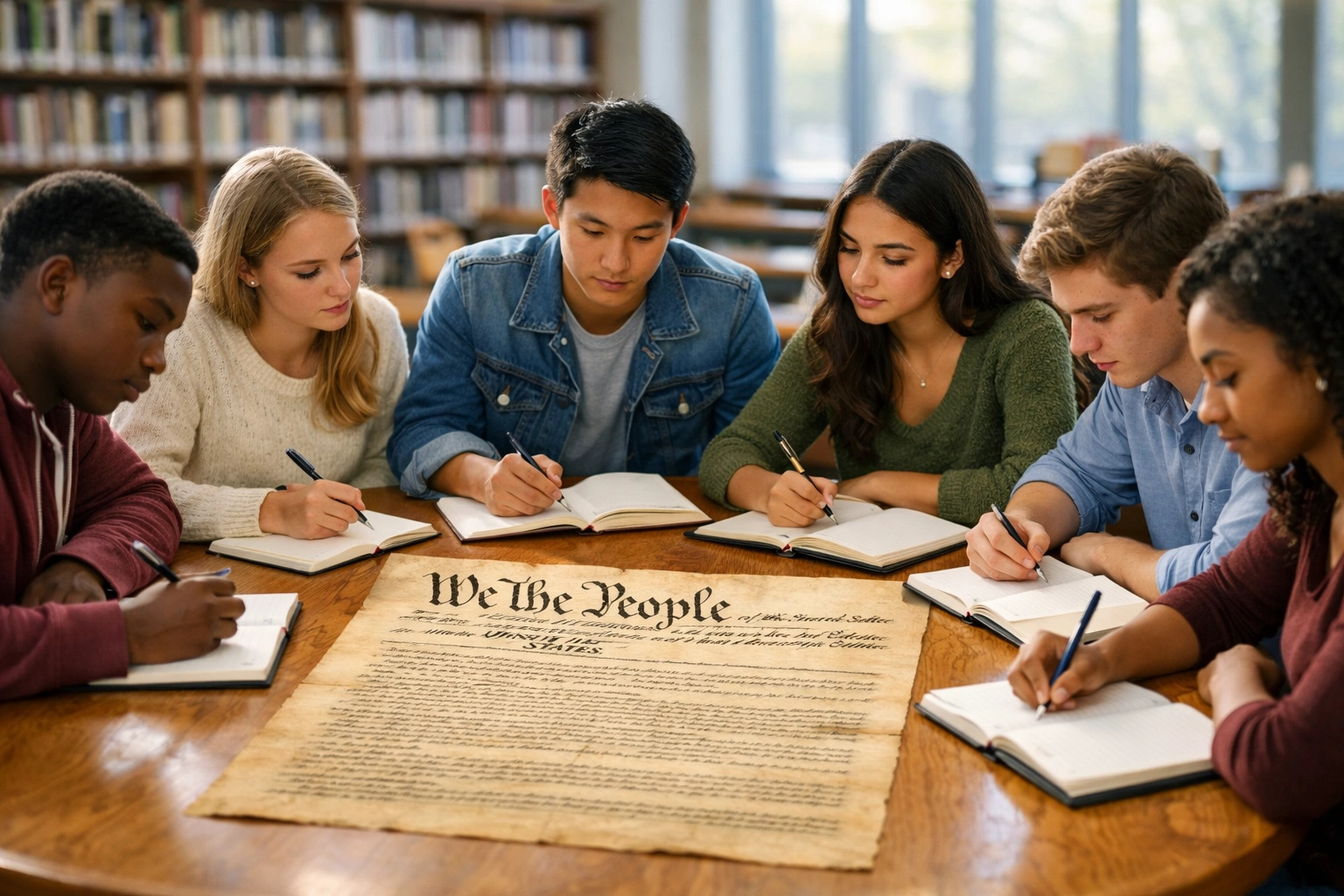
The Fix: Go to the source code. Pull out the Declaration of Independence. Read the Federalist Papers. Look at the original legislative texts. When students read the actual words of George Washington or Frederick Douglass, they aren’t just learning facts: they’re hearing voices. It’s about making the connection between the policy and the person. Teaching the top 10 Pledge history facts is a great way to start using primary-level information to spark interest.
4. Setting Vague, "Fluffy" Learning Objectives
"I want my students to be good citizens." That sounds great on a bumper sticker, but it’s a terrible learning objective. What does a "good citizen" actually know? If we don't define what civic knowledge looks like, we can't measure if our kids are actually learning it.
The Fix: Establish concrete benchmarks. We need to be specific. Can the student explain the checks and balances system? Do they understand the process of an amendment? Can they recite the Pledge of Allegiance and explain the meaning of "indivisible"? We need measurable outcomes so we can ensure no child is left behind when it comes to their heritage.
5. Assuming Civics is "Common Sense"
There’s a dangerous myth that you don’t need to study civics because it’s just common sense. People think that if you live here, you’ll just "absorb" how the government works. That’s like saying you’ll learn how to fly a plane just by being a passenger.
The Fix: Treat civics with the same discipline as chemistry or calculus. Democracy is a complex, high-maintenance system. It requires a disciplined study of its mechanics. Encourage your students or children to dive deep into the explanatory notes of our history. Our Ultimate Guide to Pledge Allegiance News shows how staying informed is a skill that must be practiced daily.
6. Misunderstanding "Command Verbs" in Civic Discourse
This one is for the educators and the students prepping for exams. Often, students lose marks not because they don't know the material, but because they don't know how to express it. They "list" when they should "explain," or they "describe" when they should "evaluate." This lack of precision leads to a shallow understanding of how our laws are debated and formed.
The Fix: Teach the language of the Republic. We need to show kids how to interpret question language and how to match their responses to the required format. This isn't just about passing a test: it's about learning how to argue a point, how to dissent respectfully, and how to build a consensus. It’s about mastering civic values in your daily life.

7. Disconnecting Education from Real-World Unity
The biggest mistake of all is teaching civics as if it’s a dead subject found only in dusty books. If civic education doesn’t lead to a sense of national unity and a desire to uphold our shared values, it’s just academic trivia. We’ve become so focused on what divides us that we’ve forgotten the "One Nation" part of the Pledge.
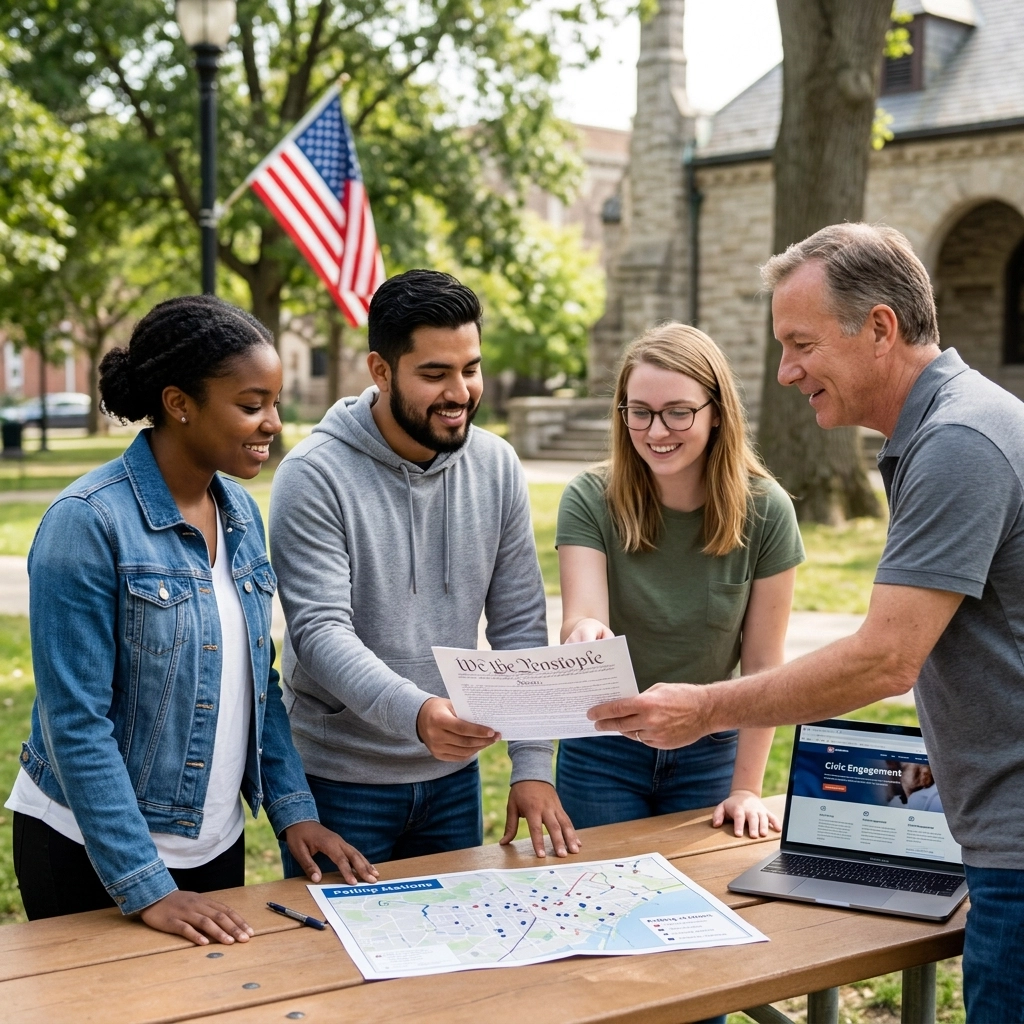
The Fix: Connect the classroom to the community. We need to cultivate "habits of the heart": listening, truth-telling, and a shared sense of duty. The 250th anniversary is the perfect "hook" to show kids that they are part of a continuing story. Teaching the history of the Pledge isn't just a history lesson; it's a lesson in American unity.
Why the 250th Matters More Than Ever
We are standing on the doorstep of history. On July 4, 2026, the world will be watching to see if America still knows who she is. Our children are the ones who will carry the flag into the next 250 years. If we don’t fix these mistakes now, we’re sending them into the future without a compass.
As the CEO of Pledge Allegiance, I see this every day. We’re on a mission to bring the heart back into civic education. We believe that knowing the history of the Pledge of Allegiance is a gateway to understanding the entire American experience. It’s why I write these daily CEO letters: to keep us focused on what matters.
Your Action Plan for Today
You don't need a PhD in political science to make a difference. You just need to be intentional.
- For Parents: Tonight at dinner, ask your kids if they know who wrote the Pledge of Allegiance or why we say it. If they don't know, learn it together.
- For Educators: Look at your lesson plans for the next month. Where can you swap a secondary source for a primary one? How can you give civics more than just a passing glance?
- For Veterans: Your voice is the most powerful tool we have. Share your story of service. Help the next generation understand that the "liberty and justice for all" they promise every morning was paid for by people just like you.
The road to the 250th is short, and there’s a lot of work to do. But if we commit to fixing these mistakes: if we choose content over fluff, discipline over intuition, and unity over division: we won’t just have a great celebration in 2026. We’ll have a stronger, more united America for centuries to come.
Let's get to work. Our kids are counting on us, and so is the Republic.
Stay patriotic, stay informed, and let's make this 250th anniversary one for the history books. If you want to stay updated on our progress and get daily tips on how to lead your community, make sure to check out our daily press releases.
See you out there on the front lines of freedom.