

Most people think of the Pledge of Allegiance as a familiar morning routine: something recited in school gymnasiums or at community gatherings without pausing to think about the heavy lifting behind the words. But have you ever stopped to unpack the very word that anchors our national vow?
As America approaches its momentous 250th anniversary, understanding what allegiance actually means is more critical than ever. It is not merely a historical relic or a hollow formality; it is the living heartbeat of American citizenship. When you say the Pledge, you are invoking a concept with centuries of history, profound moral weight, and an ongoing invitation to shape our democracy together.
Let’s dive deep into where this powerful word comes from, how its meaning has transformed, and what it demands of you as an active participant in American civic life today.
The Surprising History Behind the Word
When you look at the word allegiance, its crisp, formal structure might make you assume it comes straight from classical Latin: perhaps linked to ligare, meaning "to bind." But etymologists tell us a fascinating story: that Latin connection is actually a happy coincidence!
The word actually traces its roots through medieval Europe, growing out of feudal law. In Middle English and Old French (legaunce and ligeance), allegiance originally described the absolute loyalty and service that a vassal owed to his liege lord. In exchange for land and protection, the vassal pledged his fidelity.

As centralized nation-states replaced feudal hierarchies over the 17th and 18th centuries, the concept underwent a breathtaking evolution. The personal bond owed to a crowned monarch shifted into a political obligation owed to a government, a constitution, and a shared community of citizens.
When Francis Bellamy penned the original Pledge of Allegiance in August 1892 to mark the 400th anniversary of Columbus’s arrival, he wasn't asking Americans to bow to a ruler. He was asking them to bind themselves to a shared set of ideals: liberty, justice, and unity under a flag representing a free republic.
From Feudal Duty to Shared Democratic Responsibility
So, what does that mean for you today? In a monarchy or feudal system, allegiance was top-down: an order given by authority and demanded by force. But in a constitutional republic like the United States, allegiance is a reciprocal, two-way street.
You don’t owe your loyalty to a single politician or a fleeting administration. Your allegiance is rooted in the foundational principles of the United States Constitution and the enduring promise of American democracy.
This brings us to the core pillars of modern civic allegiance:
- Active Participation: Democracy is not a spectator sport. True allegiance requires you to stay informed, vote, attend local town halls, and speak up for your community.
- Civic Respect: Engaging in respectful dialogue with fellow citizens: even when you disagree: strengthens the fabric of our nation rather than tearing it apart.
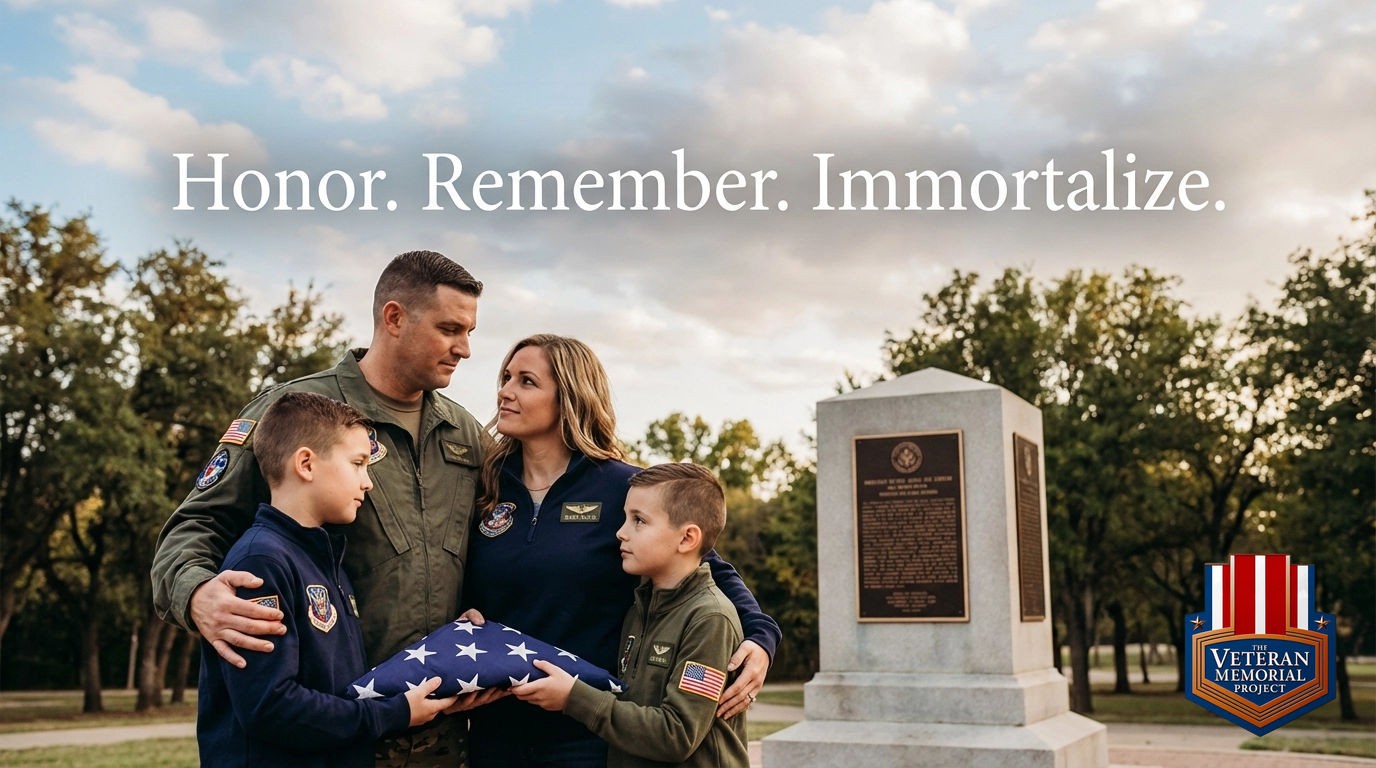
- Honoring Our Protectors: Recognizing the sacrifices of veterans and service members who defended these very freedoms is an essential expression of gratitude and national unity.
If you are looking for ways to bring these values to life in your home, classroom, or community organization, explore our educational resources and programs designed to foster meaningful civic understanding.
Why Allegiance Matters More Than Ever Today
We live in an era of rapid division and quick assumptions. It is easy to view national traditions with cynicism or apathy. Yet, when you understand that allegiance is about shared responsibility rather than blind conformity, everything changes.

Consider what happens when educators invite veterans into classrooms to share their stories, as highlighted in our teacher and speaker programs. Students stop seeing the flag as a mere piece of cloth and start recognizing it as a symbol of human sacrifice, resilience, and unity. They learn that being an American means carrying forward a torch lit by generations before us.
As we look toward America’s 250th milestone, ask yourself: How can I deepen my connection to my community and country?
Frequently Asked Questions About Allegiance
1. Is the Pledge of Allegiance a legal requirement in the United States?
While many states encourage or mandate the recitation of the Pledge in public schools, the U.S. Supreme Court (in West Virginia State Board of Education v. Barnette, 1943) firmly established that students and citizens cannot be forced to recite it against their beliefs. True allegiance is voluntary, rooted in personal conviction and freedom.
2. How can educators teach the true meaning of allegiance without bias?
By focusing on history, primary sources, and open dialogue. Educators can break down each phrase of the Pledge, exploring its historical context while inviting students to discuss what civic duty looks like in their everyday lives.
3. How does honoring veterans connect to the concept of allegiance?
Veterans embody the ultimate expression of allegiance: putting their lives on the line to defend constitutional freedoms. Hearing their stories bridges generational divides and reminds us of the real human cost behind our democratic rights.
Take the Next Step in Your Civic Journey
Allegiance is a daily choice. It’s found in the way you listen to your neighbor, how you teach the next generation about our nation's history, and how you show up for your local community.

Don't let your civic journey stop here. Head over to our homepage to discover more articles, check out our blog archive, and join us in celebrating and strengthening the true heart of American citizenship. Together, let's replace assumptions with knowledge and build a more united future!