
Most people think the Pledge of Allegiance has always sounded the same, until they realize two small words changed everything in 1923. For decades, Americans stood and spoke a version of the Pledge that sounded slightly more personal, yet far more ambiguous, than the one we know today.
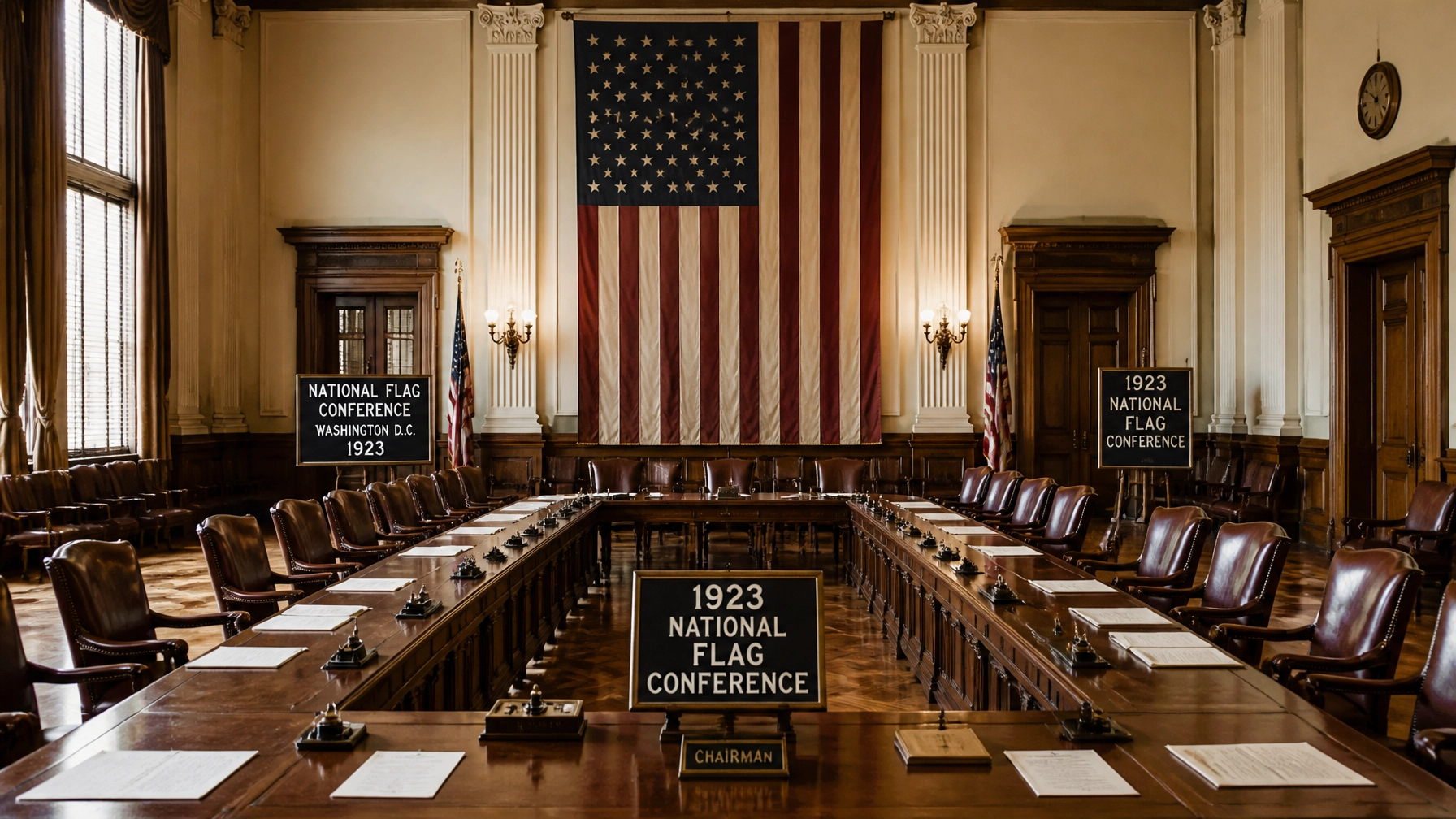
Have you ever stopped to consider how a single conference in a wood-paneled room in Washington, D.C., shaped the very words your children recite every morning? The history of the Pledge of Allegiance is not just a story of tradition; it is a story of a nation actively defining its identity during a period of massive growth and change.
At Pledge Allegiance, we believe that understanding the "why" behind our civic traditions is the first step toward a more unified country. As we march toward the America 250th anniversary in 2026, there has never been a more vital time to dive deep into the moments that defined our national character.
The Wording Pivot: When "My" Became "The"
Picture this: It is 1892. A socialist minister named Francis Bellamy pens a 22-word salute for the 400th anniversary of Christopher Columbus’s arrival in the New World. His original text read: “I pledge allegiance to my Flag and to the Republic for which it stands, one nation, indivisible, with liberty and justice for all.”
For over thirty years, this was the standard. But by the early 1920s, a growing concern began to ripple through patriotic organizations. The United States was a melting pot, welcoming millions of immigrants from across the globe. The phrase "my flag" started to feel, well: unclear.
Why the Ambiguity Mattered
Imagine you are an immigrant who just arrived in New York harbor. You still feel a deep, visceral connection to your homeland. When you stand in a classroom or a community hall and say, "I pledge allegiance to my flag," which flag are you thinking of? Are you thinking of the Stars and Stripes, or are you thinking of the flag of the country you just left?
The leaders of the 1923 National Flag Conference didn't want to leave that to chance. They wanted to ensure that every person reciting those words was making an explicit, unmistakable commitment to the United States of America.

The Architects of Unity: The American Legion and the DAR
The change wasn’t an accident: it was a coordinated effort by two of the most influential patriotic groups in American history: The American Legion and the Daughters of the American Revolution (DAR).
On June 14, 1923: Flag Day: these organizations convened the First National Flag Conference. Their goal was simple but profound: create a uniform code of etiquette for the flag and the Pledge.
Hook into the History:
- Standardization: Before this conference, different groups had different ways of saluting and different versions of the Pledge.
- Clarification: The American Legion specifically pushed for "the flag of the United States" to replace "my flag" to eliminate any loyalty confusion for foreign-born citizens.
- Legacy: This conference established the blueprint for how we treat our national symbol today.
The DAR and the American Legion weren't trying to be exclusionary. Quite the opposite: they were trying to create a shared foundation for a new, diverse generation of Americans. They recognized that a nation built on immigrants needs a common language of loyalty to stay "indivisible."
Civic Values: Unity and Inclusion Through Clarity
Some might look back and see this change as a demand for conformity, but if you look closer, it was actually about inclusion. By changing the wording to "the flag of the United States," the conference was telling every newcomer: "You belong here now. This flag is the symbol of your new home, your new rights, and your new responsibilities."
True civic education isn't about memorizing lines; it's about understanding the weight of the promises we make. When we say "the flag of the United States," we are acknowledging a collective identity that transcends our individual backgrounds.
In our educational programs, we often discuss how these subtle shifts in language reflect the evolving American experiment. We are a country that constantly refines its goals, seeking that "more perfect union."

America 250: The Countdown to 2026
We are currently living in a monumental moment. As we approach the America 250th anniversary in 2026, we have a unique opportunity to revitalize our understanding of American history.
Why does a conference from 1923 matter in 2026? Because the questions they were asking then are the same ones we are asking now:
- How do we maintain unity in a diverse society?
- How do we pass on our values to the next generation?
- What does it mean to be an informed participant in a democracy?
At Pledge Allegiance, we are dedicated to helping families and educators answer these questions. We believe the 250th anniversary shouldn't just be about fireworks and parades: it should be a year of deep civic renewal.
Honoring the Service of Our Veterans
We cannot talk about the Pledge or the 1923 National Flag Conference without acknowledging the role of our veterans. The American Legion, made up of men who had seen the horrors of World War I, led the charge for the Pledge's change because they understood the cost of liberty.
For veterans, the flag isn't just a piece of fabric; it's a reminder of the brothers and sisters they served with and the values they defended. When they hear the Pledge recited correctly and with understanding, it validates their service.
– It’s a tribute to their sacrifice. –
– It’s a promise that the country they fought for remains committed to its founding ideals. –

Your Role in Preserving History
Civic education is not a spectator sport. It requires you to be an active participant. Whether you are a teacher in a classroom, a parent at the dinner table, or a veteran sharing your story, you are the guardian of these traditions.
The history of the Pledge of Allegiance is a tool you can use to spark meaningful conversations. Don't just recite the words: teach the story. Explain why "the flag of the United States" was a deliberate choice for unity.
How you can take action today:
- Dive deeper: Visit our blog to find more stories about the evolution of American symbols.
- Share the story: Next time you see a flag or hear the Pledge, tell someone about the 1923 conference.
- Support civic education: Explore our resources to help the young people in your life understand what it means to be an American.
The 1923 National Flag Conference was a turning point. It took a personal sentiment ("my flag") and turned it into a national declaration ("the flag of the United States"). As we look toward America's 250th, let's ensure we are pledging our allegiance with a full heart and an informed mind.
Together, we can ensure that the "one nation, indivisible" we promise to be is one where every citizen understands their role in our shared story.
Learn more about our mission and how you can get involved by visiting Pledge Allegiance.