
Most people think the Pledge of Allegiance is just a morning ritual we’ve performed since kindergarten: until they see the profound depth hidden in every single syllable. As we stand in the wake of the historic America 250th anniversary, you have a unique opportunity to move beyond the routine. You can transform a simple recitation into a powerful declaration of your civic values.
Reciting the Pledge isn't just about tradition; it's about making a conscious promise to the ideals that sustain our democracy. To do that effectively, you need to understand the weight of the words you are speaking. Let’s dive deep into the history and the heart of the 31 words that define our national identity.
The Surprising Origins of Your Daily Promise
Before you can appreciate the meaning, you must understand the "why" behind the creation. In 1892, a Baptist minister named Francis Bellamy was tasked with creating a "salute to the flag" for the 400th anniversary of Columbus’s arrival. He didn’t want something long or complicated: he wanted a rhythmic, punchy statement that would unify a nation still healing from the scars of the Civil War.
The original version was shorter: "I pledge allegiance to my Flag and the Republic for which it stands, one Nation indivisible, with liberty and justice for all."
It wasn't until 1923 and 1924 that the wording changed to "the Flag of the United States of America" to ensure that immigrants were explicitly honoring their new home. Then, in 1954, during the height of the Cold War, the words "under God" were added to distinguish American values from those of officially atheistic regimes.

Phrase-by-Phrase: Breaking Down the Commitment
When you stand and place your hand over your heart, you aren't just reciting a poem. You are signing a verbal contract. Here is what you are actually saying:
"I Pledge Allegiance"
The word "pledge" is a solemn promise. "Allegiance" comes from the word liege, meaning a lord or a sovereign. By saying this, you are personally promising your loyalty and faithful support. It is an active choice you make, not a passive requirement of citizenship.
"To the Flag of the United States of America"
Why pledge to a piece of cloth? Because the flag is a living symbol of our history, our sacrifices, and our collective future. By honoring the flag, you are honoring the millions of individuals: from veterans to civil rights leaders: who have shaped the American story.
"And to the Republic for which it stands"
A republic is a government where power rests with you, the citizen, and your elected representatives. You aren't pledging to a king or a single leader; you are pledging to a system of laws and the shared responsibility of self-governance.
"One Nation"
Written only 27 years after the Civil War ended, this phrase was a defiant statement of unity. It reminds you that despite our differences, we are a single, cohesive entity. Especially during the America 250th anniversary celebrations, this phrase serves as a call to find common ground in our shared journey.
"Under God"
Added in 1954, this phrase acknowledges a higher moral authority. Regardless of your personal faith, it suggests that the rights of citizens are inherent and transcendent: not something granted (or taken away) by the government at its whim.
"Indivisible"
This is a hard-won word. It means the union cannot be broken. It reinforces the idea that we are stronger together than we are apart, even when the debates of the day feel like they are pulling us in different directions.
"With Liberty and Justice for All"
This is the "heart of the message." Liberty is your personal freedom, and justice is your right to fair treatment under the law. The most important part? "For all." It is an ongoing promise that these rights belong to every person in this nation, regardless of background or belief.

Why Civic Education Matters More Than Ever
You’ve just celebrated 250 years of American independence, but the work of a democracy is never finished. Civic participation is the fuel that keeps the "Republic for which it stands" running. Without an informed understanding of our history and our traditions, the words we say become empty sounds.
By taking the time to learn the Pledge of Allegiance history, you are doing more than just memorizing facts. You are equipping yourself to be a better neighbor, a more informed voter, and a stronger participant in our democracy. Whether you are an educator looking for educational resources or a family wanting to start a dialogue at home, understanding these values is the first step toward a more perfect union.
Your Call to Action: Participate and Preserve
Now that you know the meaning, don't let it linger in your mind: put it into practice. Civic participation isn't just about voting every few years; it's about how you engage with your community every day.
- Start a Dialogue: Talk to your children or students about what "indivisible" means to them today.
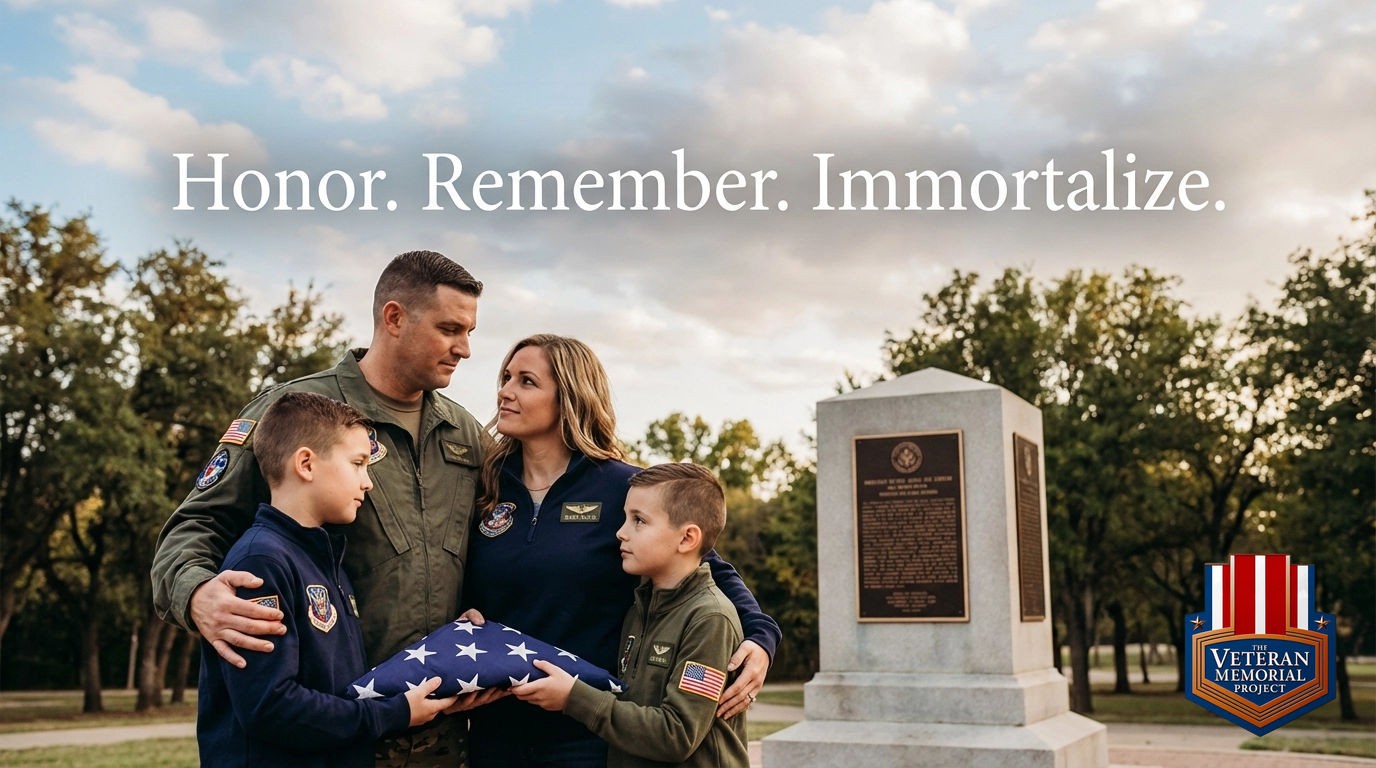
- Honor a Veteran: Our veterans initiatives are designed to preserve the stories of those who defended the "liberty and justice" we pledge to protect.
- Support the Mission: If you believe in the power of civic education, consider donating to Pledge Allegiance to help us bring these programs to more schools across the country.
Your voice matters. The words you speak today shape the America of tomorrow. Let’s make sure those words are backed by knowledge, respect, and a lasting commitment to each other.