
Most people think the Pledge of Allegiance was penned by Thomas Jefferson or maybe George Washington during a late-night candlelit session at Independence Hall. It sounds like something handed down by the Founding Fathers, right?
Well, what if I told you the words you say every morning weren't written by a revolutionary hero, but by a magazine circulation manager trying to sell flags?
Believe it or not, the story of our Pledge is filled with more twists, turns, and "did that really happen?" moments than a Hollywood thriller. As we gear up for America’s 250th anniversary, it is more important than ever to understand where our traditions come from. At Pledge Allegiance, we believe that civic education isn’t just about memorizing dates – it’s about connecting with the heart of our nation’s story.
If you’ve ever felt like our history is just a list of dry facts, you need to see this. Here are 10 history secrets about the Pledge of Allegiance that every American should know.
1. It Started as a Marketing Gimmick
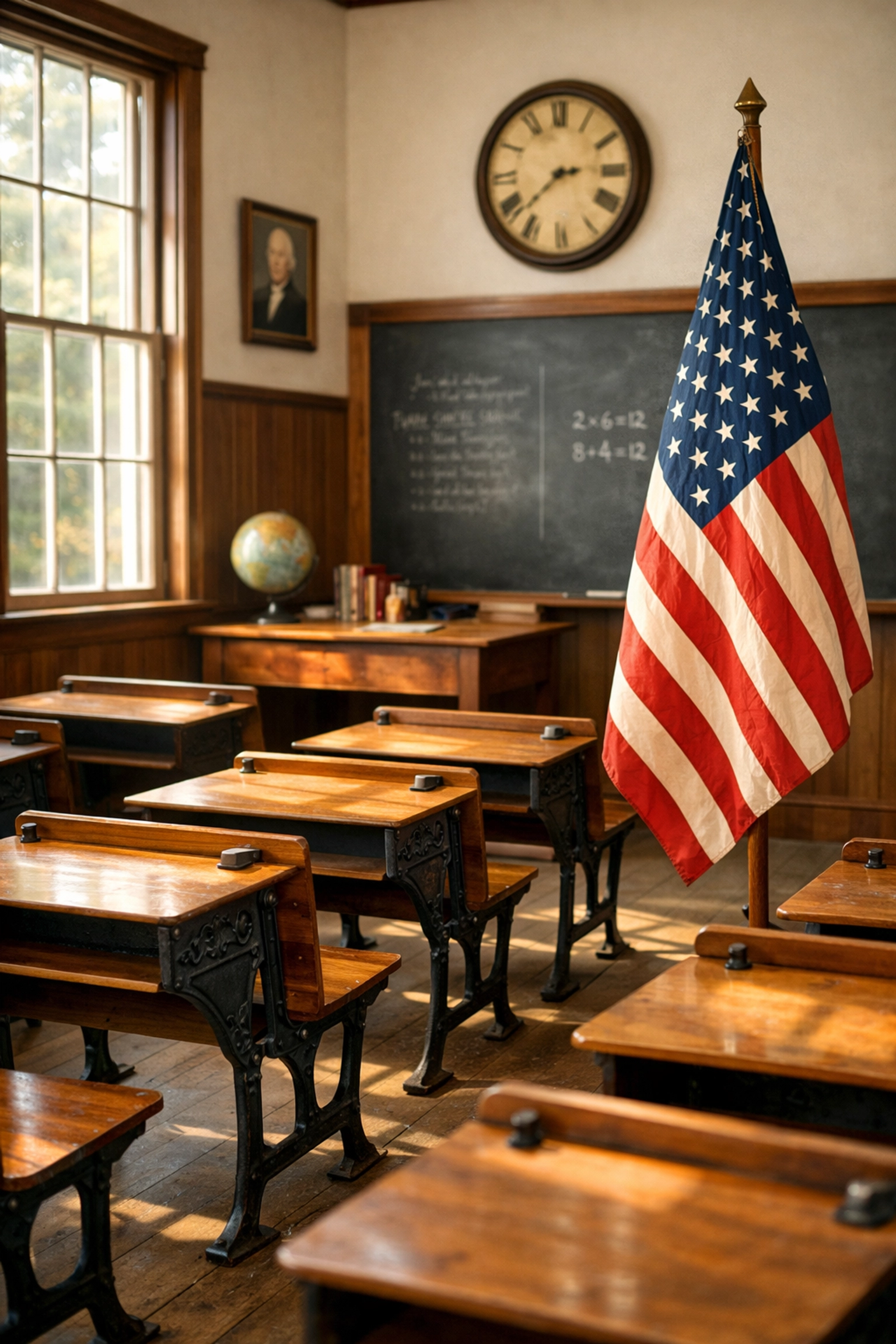
This might be the biggest pattern interrupt in American history. The Pledge wasn’t born in a government building; it was born in the offices of The Youth’s Companion, the most popular magazine in the late 1800s.
The magazine wanted to sell subscriptions, and they decided the best way to do it was by giving away American flags. They wanted to place a flag in every schoolhouse across the country. To make the flag-raising ceremony feel official, they needed a "salute" or a "pledge." Essentially, the foundation of our daily patriotic ritual was part of a brilliant marketing campaign.
If you want to dive deeper into how these early traditions shaped us, check out why understanding the 1892 original pledge will change the way you see our traditions.
2. Francis Bellamy Wrote It in Just Two Hours
Imagine having two hours to write something that would be recited by hundreds of millions of people for the next century. That was the reality for Francis Bellamy. A Baptist minister with a passion for social justice, Bellamy was tasked by the magazine to draft the text for a massive Columbus Day celebration.
He locked himself in his office and emerged two hours later with the core of what we say today. He didn't just scribble some words; he carefully weighed the rhythm and the flow to ensure it would "spark" a sense of unity in whoever recited it. It’s a powerful reminder that sometimes our most lasting contributions happen in a flash of inspiration.
3. It Was Originally Written for Columbus Day
We usually associate the Pledge with the Fourth of July or the founding of the Republic, but it was actually written to commemorate the 400th anniversary of Christopher Columbus’ arrival in the Americas.
President Benjamin Harrison issued a proclamation making the 400th anniversary a national holiday, and Bellamy’s Pledge was the center-piece of the school programs designed for that day in October 1892. It wasn't until later that it became a daily staple of American life.
4. A Civil War Veteran Wrote an Earlier Version
Before Bellamy, there was Captain George T. Balch. A Union Army officer, Balch wrote a version of the pledge in 1887 that was actually quite popular in schools for a while. His version was shorter: "We give our heads and hearts to God and our country; one country, one language, one flag!"
Balch was deeply concerned about educating the influx of immigrants on American values. While his version didn't "linger" in the national consciousness as long as Bellamy's, it set the stage for the version we know today. Understanding these early efforts is a huge part of the ultimate guide to civic education.
5. 10,000 Children Recited It Simultaneously on Its First Day
Talk about a viral moment before the internet existed. On October 21, 1892, more than 10,000 schoolchildren across the United States recited Bellamy's pledge together for the first time. It was a massive, coordinated effort that captured the imagination of the entire country.
Can you imagine the energy? 10,000 voices rising in unison to declare their loyalty to the flag. That’s the kind of unity we’re looking to reclaim as we approach our 250th birthday. If you're looking for more ways to share these stories, take a look at these 10 surprising pledge facts to share at your next veterans tribute.
6. The Original Wording Was Very Different
If you stepped into a time machine and went back to 1892, you’d notice something missing from the Pledge. The original version read: "I pledge allegiance to my Flag and the Republic for which it stands, one nation indivisible, with liberty and justice for all."
Notice what’s missing? There was no "of the United States of America." That was added in 1923 because people were worried that immigrants might be pledging allegiance to their original home flags instead of the American one. The words were clarified to ensure there was no confusion about where our loyalty lies.
7. Bellamy’s Authorship Has Been Disputed
History is rarely a straight line. For years, there was a debate about whether Francis Bellamy really wrote it. A 13-year-old boy from Kansas named Frank E. Bellamy (no relation) allegedly submitted a nearly identical pledge to a competition years earlier.
While most historians today credit Francis, the controversy reminds us that history is an immersive, living thing. It's not just a set of static facts – it's a conversation. That’s why everyone is talking about civic education for America’s 250th. We have to keep the conversation going to keep the truth alive.
8. Congress Didn't Officially Adopt It Until 1945
It feels like the Pledge has been "official" since the beginning of time, but it wasn't actually adopted into the U.S. Flag Code until December 28, 1945. That’s 53 years after it was first recited in schools!
It took World War II and a massive surge of national pride for the government to finally say, "Yeah, this should probably be official." It shows that traditions often start with the people and work their way up to the government – not the other way around.
9. The Original Salute Looked a Lot Like the Nazi Salute
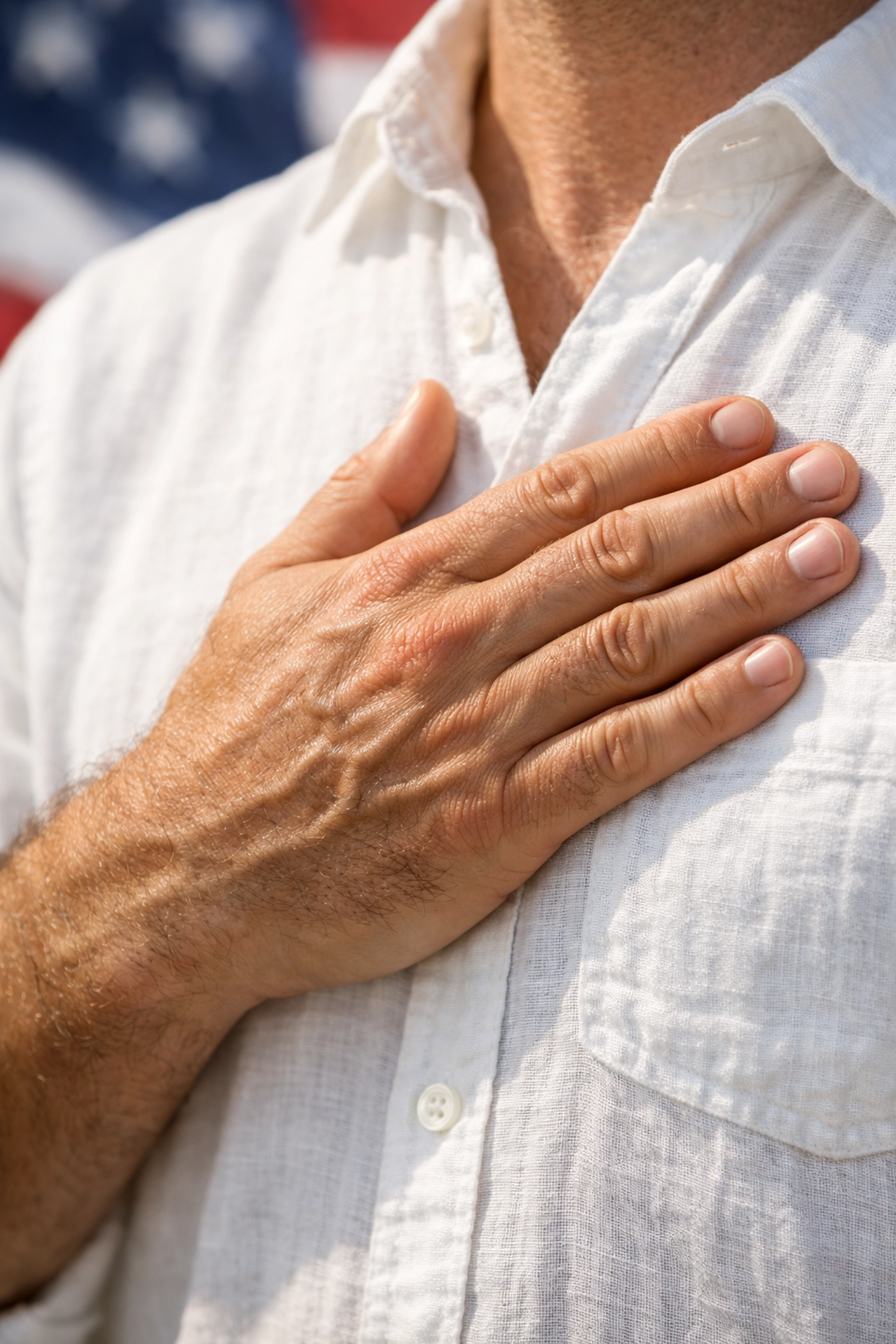
This is the one that usually shocks people. The original way to salute the flag was known as the "Bellamy Salute." You would start with your hand over your heart, and then extend your right arm, palm facing downward, toward the flag.
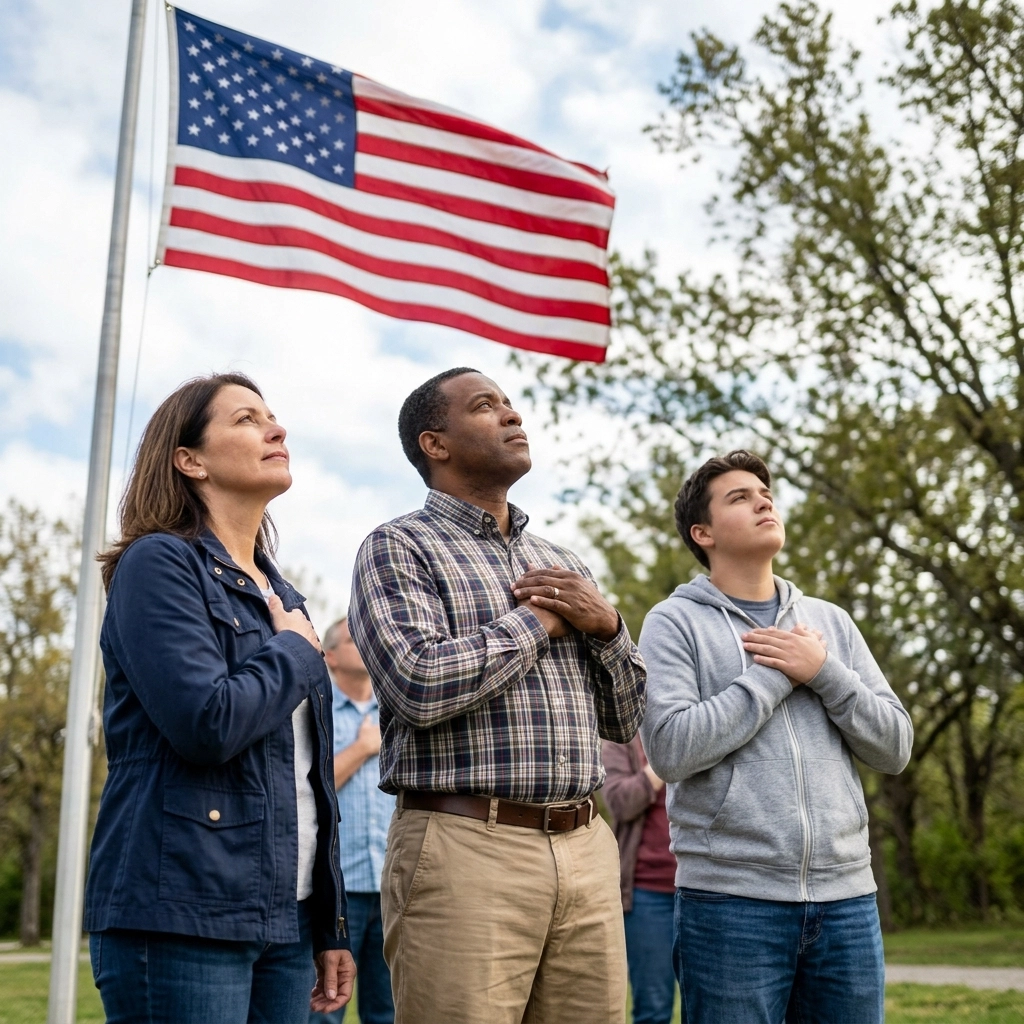
By the late 1930s, as the Nazi party rose to power in Germany, the similarity between the Bellamy Salute and the Nazi salute became a major problem. In 1942, Congress officially changed the salute to the hand-over-the-heart gesture we use today to distinguish ourselves from the fascist regimes of Europe.
10. "Under God" Was a Cold War Addition
The final version of the Pledge we say today – all 31 words – wasn't finalized until 1954. During the height of the Cold War, President Dwight D. Eisenhower encouraged Congress to add the phrase "under God."
The goal was to distinguish the United States from "godless Communism." Eisenhower wanted to reinforce the idea that American liberty was rooted in a higher power. Whether you see it as a religious statement or a historical one, it’s a captivating look at how our national identity adapts to the challenges of the times.
Why Does This Matter Today?
You might be wondering why a CEO of a non-profit is spending his Monday morning talking about 19th-century magazine ads and 1950s Cold War politics.
It’s because our symbols matter. Our history matters. When we recite the Pledge, we aren't just saying words – we are participating in a story that has been shaped by veterans, teachers, and everyday citizens for over a century.
As we look toward America’s 250th, we have a unique opportunity to reinforce these values in our communities. We aren't just looking back; we’re looking forward. We want to inspire the next generation to understand that they are the next chapter of this story.
If you’re a veteran, an educator, or just a patriot who loves this country, I invite you to join us. Stay informed on how we’re reclaiming American unity through our daily CEO notes.
Take two minutes today to talk to your kids or your neighbors about one of these facts. Spark a conversation. Because the fastest way to get better at civic duty – hint: it only takes two minutes a day – is to simply care enough to learn the real story.
Keep the flag flying high.
Dan Kost
CEO, Pledge Allegiance