

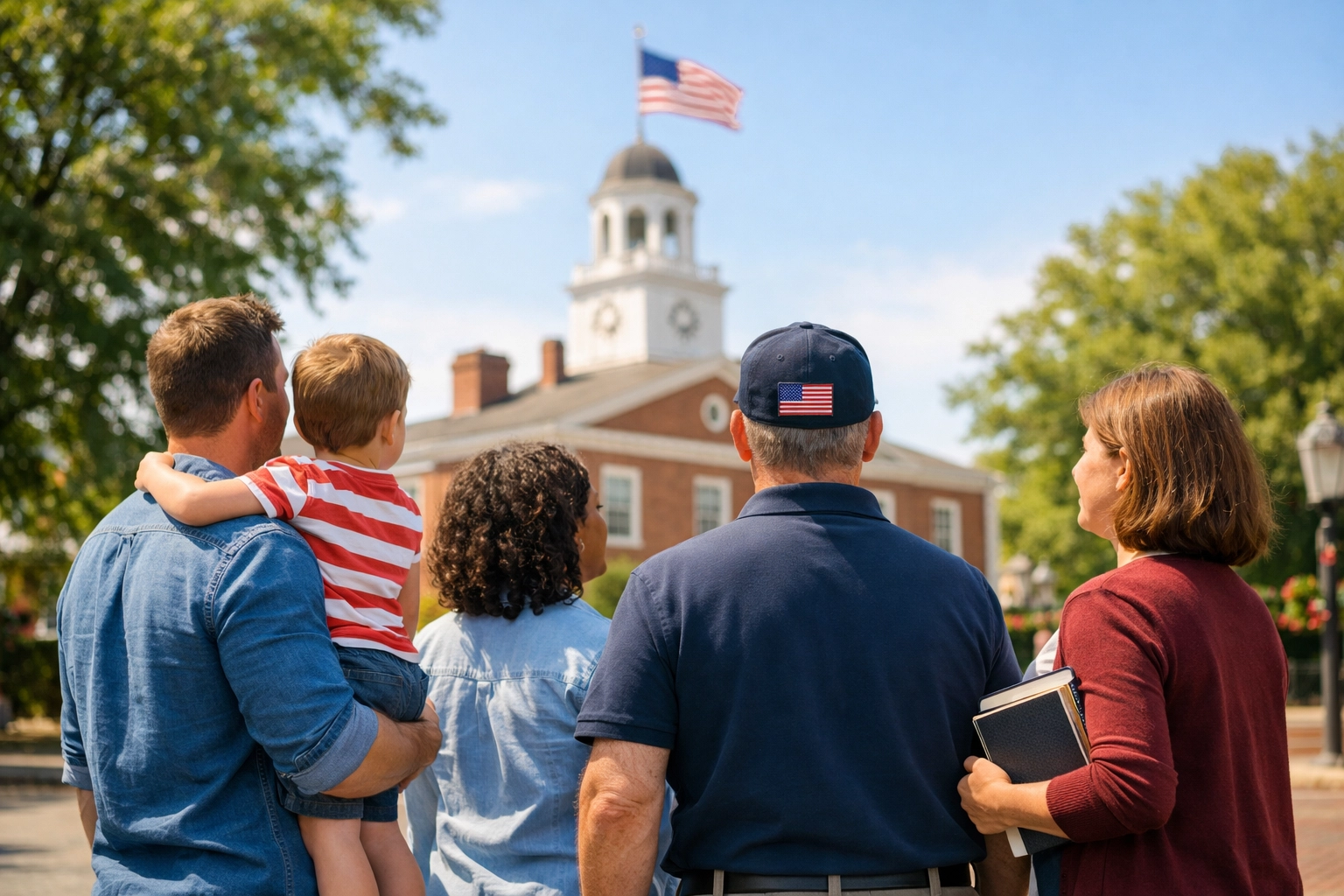
Picture this: It’s July 4th, 2026. You’re standing in your local town square, surrounded by neighbors, veterans, and kids who actually understand the weight of the flag they’re holding. Now, what if I told you that the sense of unity you’re feeling didn’t happen by accident, but because you took the lead in reviving civic education in your community?
Most people think civic education is just a dusty chapter in a middle school textbook, until they realize we are just months away from America’s 250th anniversary. This isn't just a birthday party for the United States; it’s a massive opportunity to reconnect with our founding principles and pass them down to the next generation. Whether you’re an educator, a parent, or a veteran, you have a role to play in this milestone.
Why the 250th Anniversary is Your "Call to Action"
We are living in a pivotal moment. As we approach July 4th, 2026, the focus shouldn't just be on the fireworks, it should be on the foundation. For far too long, civic education has taken a backseat to standardized testing and digital distractions. But here’s the truth: a nation that forgets its history can’t navigate its future.
The 250th anniversary acts as a catalyst. It’s sparking initiatives across the country, from the Teaching250 curriculum to community-led forums. This is your chance to dive deep into what it means to be an American. We aren't just celebrating 250 years of a government; we’re celebrating 250 years of an idea, the idea that people can govern themselves through shared values and civic duty.
The Pledge of Allegiance: The Heartbeat of Unity
You’ve said the words a thousand times. But do you know the story behind them? At Pledge Allegiance, we believe that understanding the history of the Pledge is the first step toward genuine civic engagement. It’s not just a morning ritual; it’s a promise we make to one another.
Did you know the Pledge has undergone several changes since it was first written in 1892? Every word was chosen to reinforce the idea of an "indivisible" nation. If you’re looking for a way to spark a conversation with your kids or students, start there. You can explore some of the top 10 pledge history facts to share this America’s 250th to get the ball rolling.
Understanding this history helps move the Pledge from a rote recitation to a meaningful commitment. When you know why we say it, the words "with liberty and justice for all" carry a lot more weight. If you've ever wondered why we focus so much on this, check out these pledge history secrets revealed, it’s the stuff your history books probably skipped.
Educators: Mastering Inquiry-Based Learning
If you’re in the classroom, you’re on the front lines of this movement. The goal isn't just to make students memorize dates, it’s to make them ask questions. Inquiry-based learning is the gold standard for civic education in 2026.
Use primary sources. Let your students look at the original drafts of the Declaration of Independence or the early versions of the Pledge. Programs like Teaching250 are already releasing lessons designed to help students evaluate the values of liberty and equality through historical inquiry.
- Hook your students by connecting historical events to their own communities.
- Address the complexities of our history without shying away from the hard parts.
- Outline the responsibilities that come with our rights.
If you’re looking for a roadmap, I’ve put together a guide on how to integrate the Pledge’s history with your America 250th anniversary lessons. It’s designed to be practical, patriotic, and, most importantly, effective.

Families: Bringing Civics Home
Parents, don’t wait for the school system to do the heavy lifting. Civic education starts at the dinner table. But I get it, you don’t want to be the "boring" parent giving a history lecture.
The secret is to make it relatable. Talk about the "hidden" history of the things they see every day, the flag, the coins in their pocket, or the names of the local parks. You can learn how to explain the hidden history of the Pledge to your kids without being boring right here on our site.
America’s 250th is the perfect "why" for these conversations. Tell them, "Hey, our country is turning 250 soon. Let’s talk about why that’s a big deal." It’s about building a sense of belonging. When kids feel like they are part of a larger story, a story that started 250 years ago and continues with them, they’re more likely to grow into engaged, responsible citizens. This is why teaching pledge history prepares our kids for the future.
Veterans and Community Leaders: Leading the Way
Veterans, you’ve defended the Constitution; now, you’re its most vital teachers. Your perspective is irreplaceable. In a world that often feels divided, your commitment to the country provides a blueprint for unity.
Community leadership in 2026 means being a "civic coach." It’s about defending democracy by showing up, at school board meetings, at local parades, and in the daily life of your neighborhood. If you’re wondering how to translate your service into local civic leadership, take a look at the CEO’s guide to mastering civic values in your daily life.
We need you to be the ones who remind everyone that while we might disagree on politics, we agree on the American experiment. That’s the "all hands on deck" project we’re talking about. We even offer advice on how to master civic leadership one daily letter at a time.

Why a "Daily Habit" Matters for Civic Health
I’m a big believer in consistency. You don’t get fit by going to the gym once a year, and you don’t build a strong civic culture by talking about it only on the 4th of July. That’s why we do what we do at Pledge Allegiance.
Every day, I send out letters and press releases that focus on our shared history and local heroes. Some people ask me, "Does a daily press release really matter in 2026?" My answer is always a resounding yes. It matters because it keeps the flame of civic awareness alive when the world tries to douse it with noise and division.
These daily updates are designed to:
- Reinforce the values we share.
- Spark conversations in your own circles.
- Inspire you to take small, daily actions for your community.
If you’re looking to change the way you lead or even just how you think about unity, I invite you to read why my daily CEO letters will change the way you lead your community. It’s about the "long game": preparing for the 250th and beyond.
The Truth About Civic Education in 2026
Let’s be real: some people think civic education is outdated. They’ll tell you it doesn't matter in a digital, globalized world. They couldn't be more wrong. Does civic education really matter in 2026? Here’s the truth: without it, we lose the ability to speak a common language of rights and responsibilities.
We are at a crossroads. We can either enter America’s 250th year more divided than ever, or we can use this milestone to build a bridge. It starts with the basics. It starts with understanding our history, honoring our symbols, and teaching our kids that they are part of something spectacular.

Your Next Steps to Prepare
So, how do you actually prepare for the 250th? It’s simpler than you think:
- Educate Yourself First: Dive into the resources provided by the National Constitution Center or check out our ultimate guide to Pledge Allegiance news.
- Engage Your Inner Circle: Whether it’s your students or your own children, start the conversation today. Use primary sources to make it real.
- Lead Locally: Find a way to honor a local hero or participate in a civic ritual. Our daily notes can change the way you think about American unity and give you ideas on where to start.
- Stay Consistent: Don't let the momentum fade. Subscribe to the daily updates and make civic awareness a part of your routine.
America’s 250th is a once-in-a-generation event. Don't look back on July 5th, 2026, and wish you had done more to prepare your community. Start now. Be the guide. Lead with a patriotic heart and a clear mission.
The future of our republic depends on the civic education we provide today. Let's make sure we’re giving it our best shot. If you’re ever struggling for inspiration, remember these 5 lessons on leadership from the front lines of civic education. We’re in this together.
Stay informed, stay patriotic, and let’s get ready to celebrate 250 years of the greatest experiment in human history. To stay on top of everything, check out our beginner’s guide to mastering our community updates. See you on the front lines!