
Most people think civic education is just a dusty old relic from the 1950s, a boring requirement hidden in the back of a social studies textbook. But let’s be real for a second: look around you in 2026. We are standing on the precipice of America’s 250th anniversary, and yet, the fabric of our shared identity feels thinner than ever.
What if I told you that the "civic deficit" we’re seeing today isn't just a political talking point? It’s a full-blown crisis. If we don’t get back to basics, understanding our history, our responsibilities, and the profound meaning behind the words we recite, we aren’t just losing a subject in school. We’re losing the heartbeat of the nation.
The 2026 Reality Check: Apathy is the New Pandemic
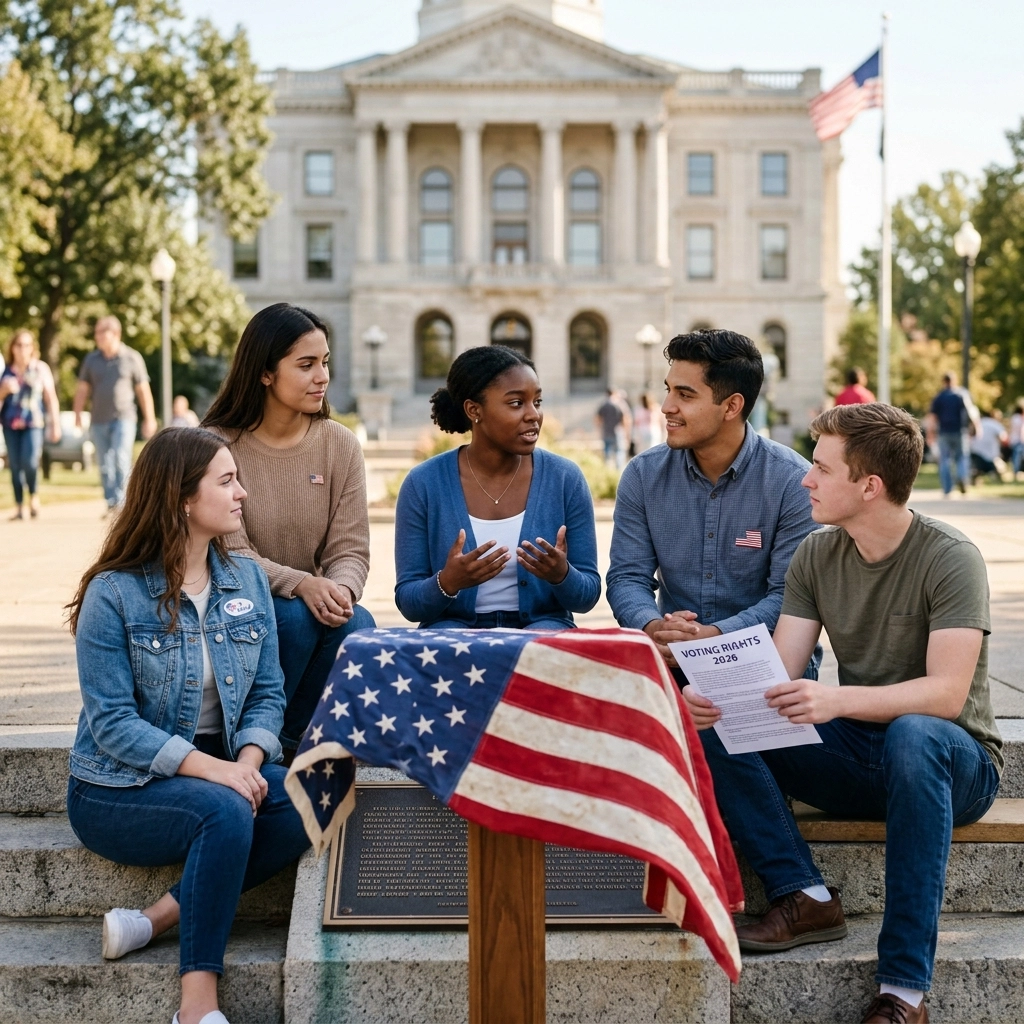
Let’s dive deep into some cold, hard facts. Recent data from the 2025 Pew Research Center report is enough to make any patriot lose sleep. Nearly a third of young people today express significantly lower support for core democratic principles than their parents did. Even worse, among Americans aged 18 to 24, only about one in four actually expects to vote, even though almost half are registered.
Why is this happening? It’s not because our youth don't care about their future. It’s because they’ve been fed a steady diet of political cynicism and a belief that individual actions, your actions, don't actually move the needle. When you stop believing you have a stake in the system, you stop participating. That’s the "forbidden secret" the critics don't want you to know: a lack of civic education is the fastest way to dismantle a democracy.

Why the 250th Anniversary is Your Wake-Up Call
We are just months away from July 4, 2026. This isn't just another BBQ and fireworks holiday. This is the Semiquincentennial, 250 years of the greatest experiment in self-governance the world has ever seen. But how can we celebrate a milestone we don't fully understand?
Civic education matters right now because it provides the context for our celebration. It moves us from "blind patriotism" to "informed patriotism." It’s about knowing why we stand, why we serve, and why we pledge. If you feel like your family or your students are missing that spark, you might be making some common errors. Check out 7 mistakes you’re making with civic education and how to fix them for the 250th to get back on track.
The Pledge: More Than Just Words
At the heart of our mission here at Pledge Allegiance is, well, the Pledge itself. Many people think it’s just a ritual we do on autopilot. But have you ever stopped to think about the history behind it?
Did you know the original 1892 version was quite different from what we say today? Understanding the evolution of these thirty-one words helps us understand the evolution of America itself. It’s a captivating journey from a magazine contest to a national pillar. If you want to dive into the roots, check out the original 1892 Pledge of Allegiance explained in under 3 minutes.
When we teach civic education through the lens of the Pledge, we reinforce values like unity, liberty, and justice. We spark a conversation about what it actually means to be "indivisible" in a world that feels more divided than ever.

Modern Civics: Navigating the Digital Wild West
Let’s be honest: civic education in 2026 isn't just about three branches of government anymore. It’s about survival in the information age. Modern civic learning now encompasses media literacy and civil dialogue skills.
Your kids are growing up in politically polarized online spaces where community debates are often reduced to shouting matches and misinformation. Robust civic education equips them with the tools to:
- Think critically about the "news" they see on social media.
- Engage across differences without losing their cool.
- Take informed action in their local communities.
This isn't abstract theory; these are essential life skills. Without them, we’re sending the next generation into a digital storm without a compass. This is why I write a personal note to our community every single day: to keep these values at the forefront of our minds. You can see why everyone is reading the daily CEO letter and you should too to join that conversation.
The Structural Problem: We’re Starting Too Late
One of the biggest hurdles we face is timing. Traditionally, we wait until high school to give students a "Government" or "Civics" class. By then, the "civic deficit" has already set in. Research shows that by waiting, we’ve already missed critical opportunities to build civic readiness.
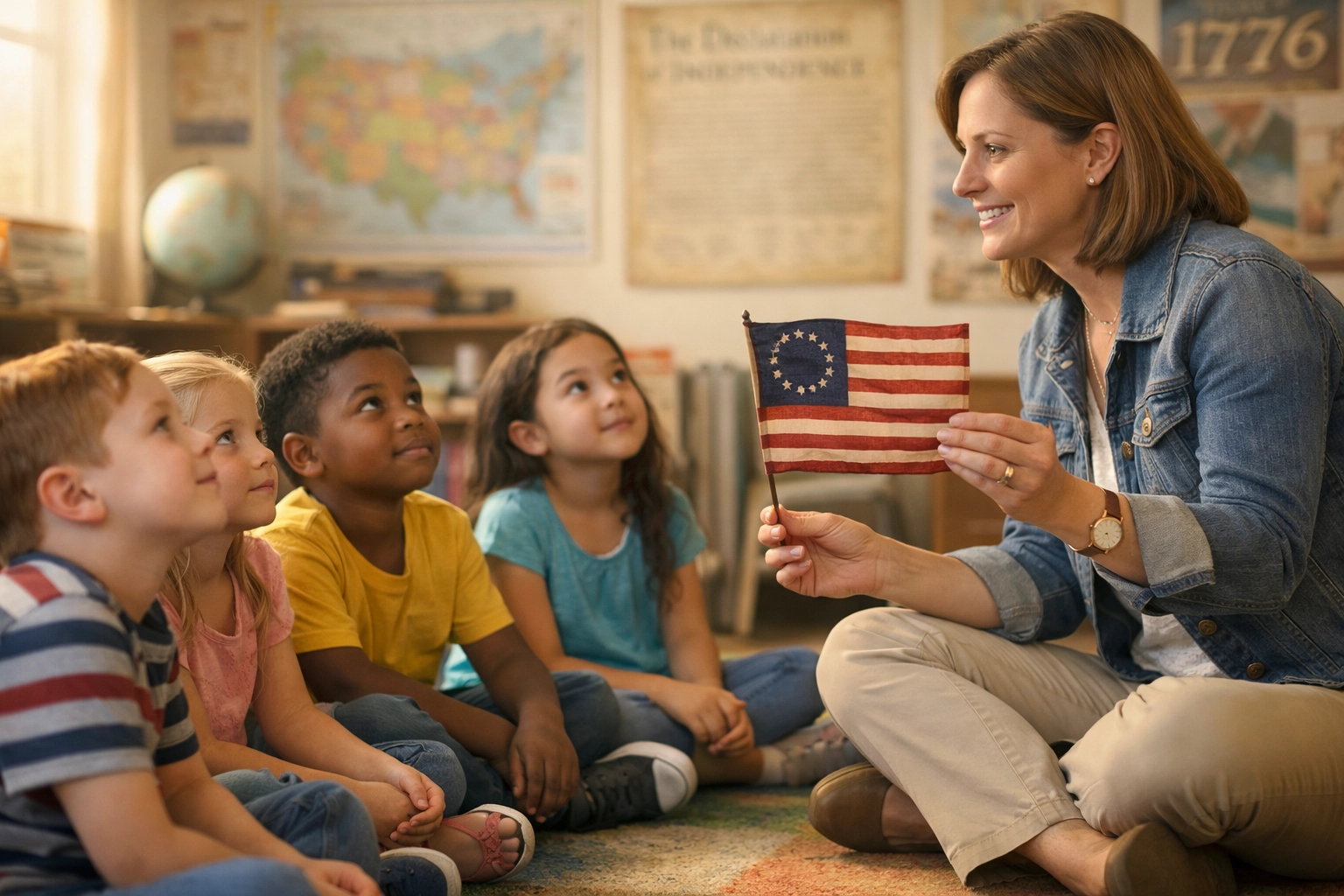
We need to start in elementary school. We need to weave civic values into the daily fabric of the classroom. Whether it’s through daily community milestones or veteran initiatives, the goal is to make citizenship a habit, not a homework assignment.
How You Can Lead the Charge
You don't need to be a politician to be a civic leader. Whether you’re an educator, a parent, or a veteran, you have a role to play in this 2026 revival.
- Educate Yourself First: You can't lead where you won't go. Revisit the basics of our history. Our civic education 101 guide is a great place to start.
- Make it a Daily Habit: Consistency matters. Just like the daily Pledge, small, repeated actions build character and national unity.
- Support Our Veterans: Our veterans are the living embodiment of civic duty. Engaging with their stories is one of the most powerful ways to teach the next generation about sacrifice and service. Take a look at why everyone is talking about our latest veterans initiative to see how you can get involved.
- Foster Civil Dialogue: Encourage your children or students to ask questions: even the hard ones. The goal isn't to tell them what to think, but to show them how to engage as a member of a republic.
The Bottom Line: Does It Really Matter?
The truth is, civic education is the only thing standing between a thriving republic and a collection of disconnected individuals. As we march toward the 250th anniversary of this great nation, the question isn't whether civic education matters: it’s whether we care enough to prioritize it.
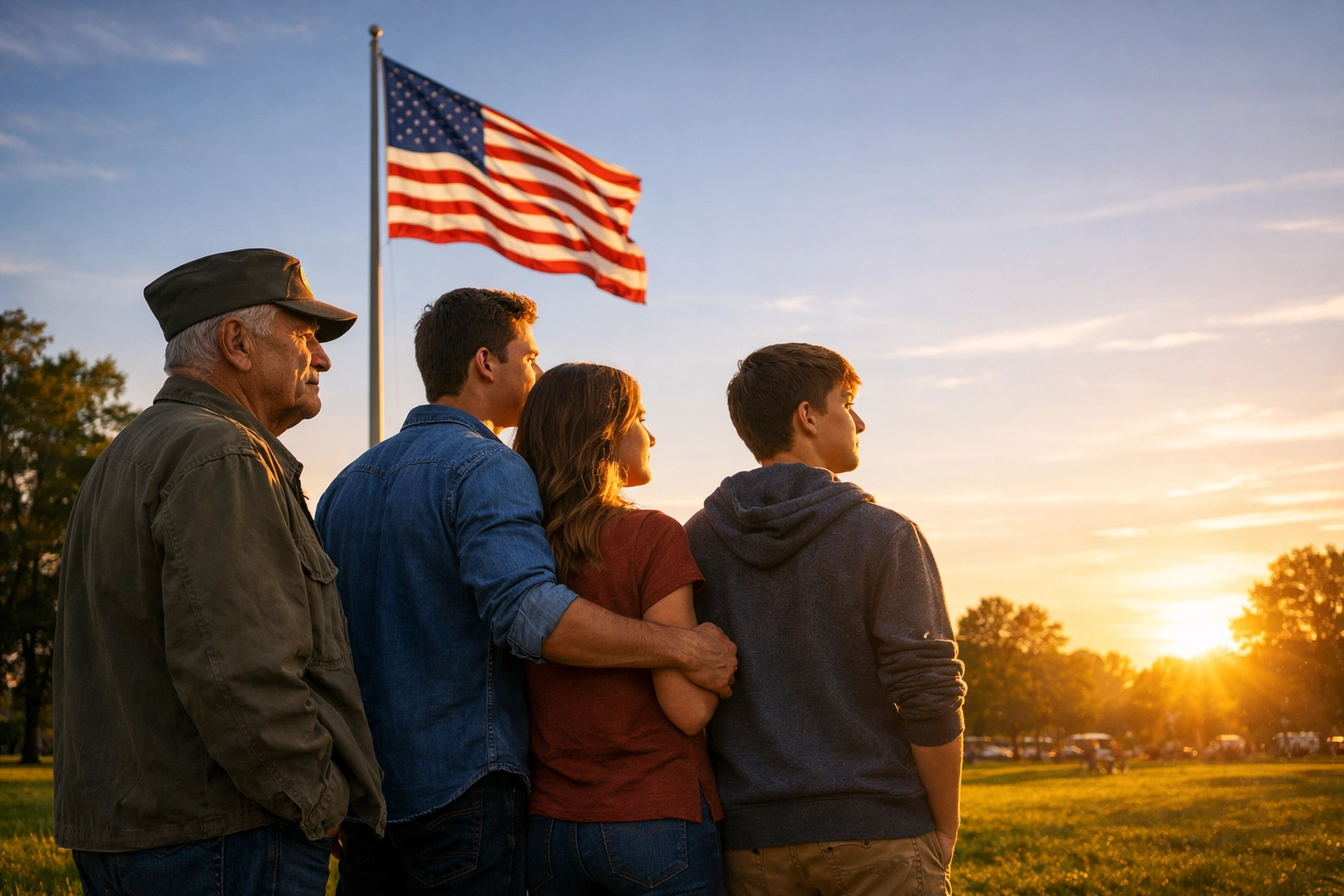
I’m Dan Kost, and I see the potential for a massive civic awakening in 2026. I see educators who are tired of the status quo and families who want their children to be proud, informed citizens. We aren't just teaching history; we are shaping the future.
If you’re ready to take a stand for civic values, join us. Every donation, every daily letter read, and every Pledge recited brings us one step closer to an America that is truly indivisible. You can even make a donation here to support our mission of bringing civic education back to the forefront of the American experience.
Let’s make 2026 the year we remember why we’re here. Let’s lead with purpose, educate with passion, and always, always pledge our allegiance to the principles that make this country home. Keep the spirit alive( every single day.)