
Most people think the 250th anniversary of the United States is just another excuse for a long weekend with burgers and fireworks: until they realize it is actually the most critical pivot point for our children’s civic identity in over a century.
Look, we are standing on the doorstep of July 4, 2026. That is the Semiquincentennial. It’s a mouthful of a word, but it carries the weight of two and a half centuries of struggle, triumph, and the persistent pursuit of liberty. As we approach this massive milestone, you have a unique opportunity: and, frankly, a responsibility: to ensure the next generation understands exactly what they are inheriting.
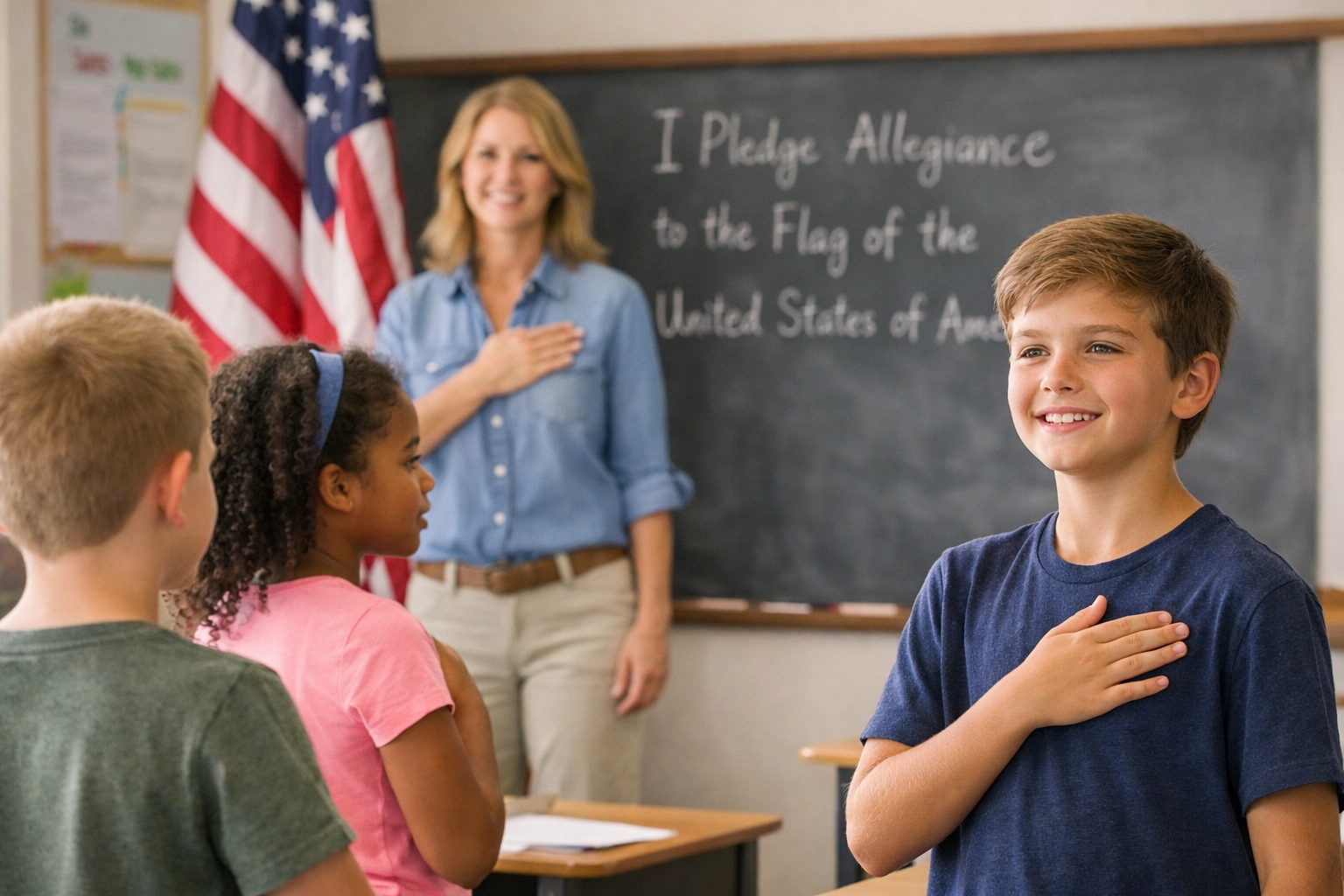
At Pledge Allegiance, we believe that the words our kids recite every morning shouldn't just be a rhythmic drone. They should be a heartbeat. Teaching the history of the Pledge of Allegiance isn't just about memorizing dates; it’s about preparing our kids to lead a country that is constantly evolving.
The Weight of 250 Years: More Than Just a Birthday
When you talk to your kids or your students about the 250th anniversary, you aren't just talking about a birthday party. You are talking about the endurance of an idea. The search results for America 250 show us that this celebration is centered on the Declaration of Independence and the foundational values of personal liberty.
But here is the catch: liberty without understanding is fragile.
If our kids don't understand the "why" behind our civic rituals, the 250th anniversary will be nothing more than a history lesson they forget by the time they hit high school. By diving deep into the history of the Pledge, you are giving them an anchor. You are teaching them that these thirty-one words were crafted to unite a nation that was still healing and growing.
The Pledge as a Time Capsule
Think about the world in 1892. It was the 400th anniversary of Columbus reaching the Americas, and the country was changing rapidly. The original Pledge wasn't just written for fun: it was written to foster a sense of national unity during a time of massive immigration and social shifts.
When you teach your children about the original 1892 Pledge of Allegiance, you are showing them a snapshot of American intent. You are showing them that even then, we were looking for ways to bind ourselves together under a common banner of "liberty and justice for all."
Understanding this evolution helps kids realize that America is a "work in progress." It empowers them to see themselves as part of that progress. They aren't just reciting words; they are stepping into a lineage of citizens who have sought to make those words true for everyone.
Why Civic Education is a Modern Survival Skill
Let’s get real for a second: the world your kids are growing up in is loud. It’s polarized, it’s digital, and it’s often confusing. Without a solid foundation in civic education, they are navigating a storm without a compass.
Teaching pledge history and civic values prepares your kids for the future in three distinct ways:
- It Builds Critical Thinking: When kids learn why the Pledge was written and how it has changed (like the addition of "under God" in 1954), they start asking why. They learn to look at the context of history, which is a skill they will use every single day in the workplace and in the voting booth.
- It Fosters Empathy: The Pledge ends with "for all." By studying our history: the good, the bad, and the complicated: kids learn that the American story belongs to everyone. It reinforces the idea that their neighbors' rights are just as important as their own.
- It Creates a Sense of Belonging: In an age of digital isolation, being part of something bigger matters. Feeling a connection to the 250-year journey of the United States gives kids a sense of rootedness and purpose.
If you’re wondering where to start, our Civic Education 101 guide is a great way to jump-start this journey in your home or classroom.
The Veteran Connection: Living History
For our veterans, the Pledge isn't just a classroom requirement: it’s a promise they lived out. When we bring veterans into the conversation about civic education, the history becomes three-dimensional.
Kids need to see that the "liberty" mentioned in the Pledge is something that real people: perhaps their own grandfathers or neighbors: have sacrificed to protect. This connection transforms a historical document into a living legacy. We are incredibly proud of our latest veterans initiative, which aims to bridge this gap between those who served and the youth who will lead next.

Don’t Let the 250th Anniversary Pass You By
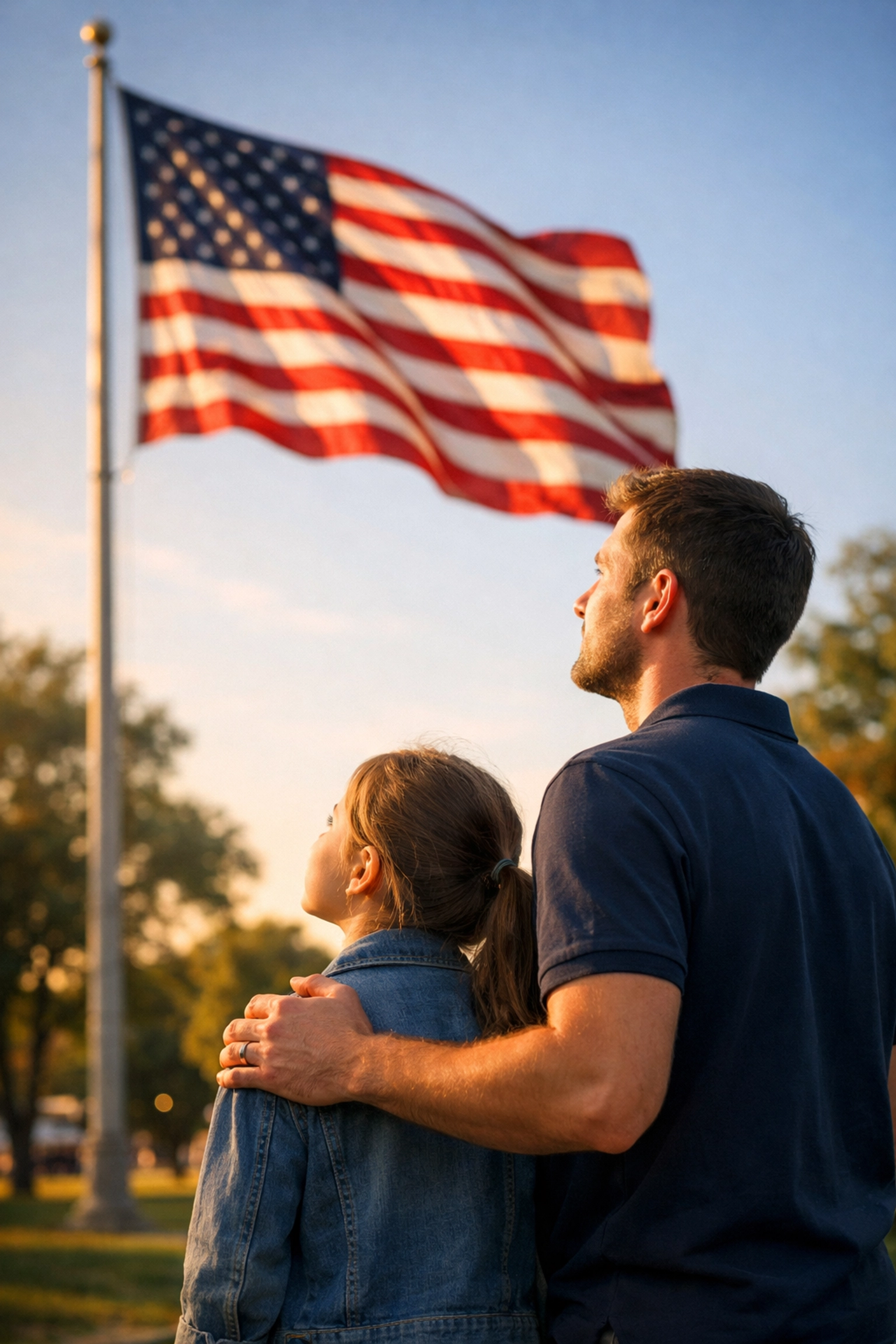
Imagine it’s July 4, 2026. The parades are happening, the flags are flying, and the atmosphere is electric. Now, imagine your child standing there, watching the colors pass by, and actually knowing what it all represents.
They don't just see a flag; they see a symbol of a 250-year-old experiment in self-governance. They don't just hear the Pledge; they feel the weight of the promise they are making to their fellow citizens.
That doesn't happen by accident. It happens because you took the time to prioritize civic values and history today.
How to Take Action Today
You don't need a PhD in American History to be a great guide for your kids. You just need the right tools and a bit of consistency. Here is how you can start preparing for the 250th anniversary right now:
- Read the Daily Letters: I share a personal message every single day about citizenship and history. It’s designed to be a quick, impactful way to keep these values top-of-mind. Check out why my daily letters change minds.
- Discuss the "Why": Tomorrow morning, after the Pledge, ask your kids what "indivisible" means to them. Start the conversation early.
- Support the Mission: As a non-profit, we rely on people like you to keep this educational mission alive. Whether you donate or explore our offerings, you are directly investing in the civic health of our future leaders.

Leading with Patriotism and Purpose
We are at a crossroads. We can either let the 250th anniversary be a fleeting moment of nostalgia, or we can use it as a launchpad for a more informed, more united generation.
Our kids are capable of understanding the depth of our history. They are ready to inherit the responsibilities of citizenship. All they need is for you to show them the way. By focusing on Pledge history, you are giving them more than facts: you are giving them a foundation of honor and a vision for what America can become in its next 250 years.
Let's make sure that when the fireworks go off in 2026, our kids aren't just looking at the lights in the sky: they are looking at the flag with a deep, personal understanding of what it means to be an American.
Stay patriotic, stay engaged, and let's get to work.
For more information on how we are helping educators and families prepare for the future, visit our About page or reach out to us directly. Together, we can ensure the spirit of the Pledge remains alive for centuries to come.